The aims of the Division of Sexuality and Gender of PsySSA:
We are a dynamic, responsive, and innovative hub for mental health professionals who adopt a critical, decolonial, intersectional, feminist, and anti-racist approach to working with all clients and communities who have made South Africa their home.
Cognisant that all sexual and gender identities and practices intersect with the power dynamics of class, culture, race, ability, age, education and origin (among others), we aim to:
- Honour the centrality of sexuality and gender as drivers and shapers of the human experience throughout its lifespan;
- Promote more critical and affirmative thinking about the mosaic of sexualities and genders present in all communities and societies;
- Focus on the lived and intersecting experiences of sexual and gender “majorities” and “minorities” and how they illuminate systems of power, inclusion and exclusion;
- Promote affirmative practice in all psychology-related activities, including relevant continuing professional development;
- Advance critical and reflexive scientific research;
- Respond to related national, continental, and international issues and concerns with social accountability.
These aims are realised through three key focal areas:
Firstly, we explore sexual and gender diversity by promoting understanding and acceptance of sexual and gender diversity; advocating for social justice for LGBTIQA+ (queer) persons; and advancing a deeper understanding of how human sexualities and the gender system affect all individuals and societies.
Secondly, we advocate for sexual and reproductive health and rights (SRHR) by promoting access to SRHR for all, lobbying for the inclusion of sexually and gender-diverse people in SRHR policies and services; supporting access to Comprehensive Sexualities Education (CSE) in schools; promoting healthy sexual relationships of all forms; and destigmatising less conventional sexualities and relationship forms.
Thirdly, we oppose all forms of sexual and gender-based violence (SGBV) by supporting theory development and research that contributes to understanding and mitigating SGBV in South Africa; promoting support for survivors of SGBV through a social justice, feminist and intersectional lens; and advancing understandings of masculinities and hetero-cis-patriarchy and their contribution to SGBV.
In sum, we work toward a just, transformed, and equitable profession and society that celebrates the full spectrum of sexualities and gender, where everyone can thrive.
History of the development of the SGD
The above objectives should be seen against the origins and development of the SGD. The division developed from a collaborative project between PsySSA and APA (the American Psychological Association). PsySSA is a member of the International Network for Lesbian, Gay, and Bisexual Concerns and Transgender Issues in Psychology (INET, now called IPsyNET), that is hosted by the APA.
IPsyNet is composed of national, multinational and international psychological associations. “The vision of IPsyNet is that psychological organisations are effective leaders in ensuring that all persons fully enjoy health and human rights, regardless of their sexual orientation, gender identity, gender expression, or sex characteristics, by incorporating the goals of celebrating and valuing the full range of human diversity, including diversity in gender, sexual orientation, and sex, into their structure, programmes, and activities (IPsyNet, 2013).”
Accordingly, PsySSA and the SGD adhere to a psychology that is affirmative of sexual and gender diversity. This includes the recognition of various sexualities and gender identities as normal variations of human sexuality and not per se as the cause of psychological difficulties or pathology. Contextual awareness is emphasised, including an understanding of how aspects such as homo- and transphobia, heterosexism, prejudice and stigma impact on mental health and well-being.
Furthermore, the SGD therefore acknowledges the intersections between sexuality, gender and other forms of difference such as race and class. It aims to promote a critical psychology of sexuality and gender that goes beyond a focus on sex/gender differences to a consideration of how such differences are produced, reproduced and normalised through exclusionary and oppressive practices and mechanisms.
Recent Work and Professional Activism
Evidence of our recent work, professional activism, and commitment to a “public psychology” can be found in:
- The development and launch of the Second Edition of the Practice Guidelines for Psychology Professionals Working with Sexually and Gender-Diverse People, in collaboration with the African LGBTQIA+ Human Rights Project, which formed part of our commitment to advancing ethical, inclusive, and affirming psychological practice across the continent. This was accompanied by a series of training workshops on affirmative practice delivered to master’s-level psychology students and social workers within the Department of Social Development.
- The development and launch of the Toolkit for Mental Health Providers Working with Survivors of Conversion Practices in Africa, supported by Outright International, which was accompanied by an e-learning training programme aimed at mental health practitioners across the continent. This work contributed to the development of the Johannesburg Declaration opposing conversion practices.
- In partnership with PsySSA, acting as an amicus curiae in the matter of the Embrace Project and Others V Minister of Justice and Correctional Services and Others. In the first stage of the case, the Johannesburg High Court declared the “subjective consent” defence to a charge of rape unconstitutional, a defence in which a perpetrator can claim they believed the victim consented, even when this belief is unreasonable. The matter now awaits a ruling from the Constitutional Court. Our contribution has brought to the attention of the court the science of peri-traumatic responses to sexual assault and the role of power disparities in sexual consent negotiations.
- Our work on access to gender-affirming care for trans and gender-diverse people includes active collaboration with the Professional Association for Transgender Health South Africa (PATHSA) and Gender DynamiX (GDX) to develop strategies that counter the growing influence of the anti-gender movement in South Africa. We have also provided representation at the World Professional Association for Transgender Health (WPATH), contributing to global conversations on evidence-based standards of care and the protection of trans health and human rights. In addition, we are engaged in developing the forthcoming World Health Organisation (WHO) guidelines on trans and gender diversity, scheduled for release in 2026. We continue to support and endorse the South African HIV Clinicians Society’s guidelines on gender-affirming healthcare, available here.
- Our representation on the International Psychology Network for Lesbian, Gay, Bisexual, Transgender and Intersex Issues (IPsyNet), which reflects our ongoing commitment to global engagement in affirming psychological practice. Members of the SGD also served on the IPsyNet policy committee to help finalise an international position statement on conversion practices. In addition, we have engaged with key psychology professionals in Nigeria to encourage their participation in IPsyNet.
If our values, work, and advocacy resonate with you, we invite you to join the Sexuality and Gender Division and become part of a growing community committed to transforming psychology in South Africa and beyond.
What do members receive by becoming members?
- Secure database for referrals (e.g. private practice)
- Communications regarding recent research as well as CPD and related workshops in the fields of sexualities and gender
- Access to contribute to training (in CPD and related workshops)
- Responding to current issues e.g. through media statements, blog writing; access to current research and scholarship; and a sense of community and belonging.
Full Member
Associate
Affiliate
Registered Counsellor & Psychometrist
Psychology Intern
Student Member

Dr. Angeline Stephens

Suntosh Pillay

Dr. Chris McLachlan

Prof. Juan Nel
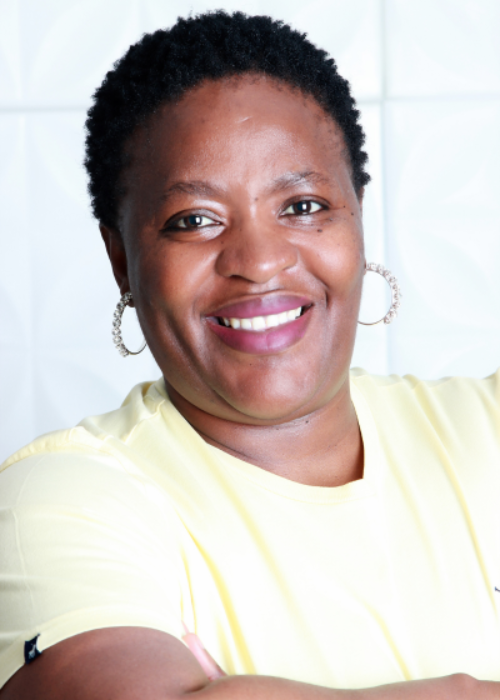
Thembisile Dlamini
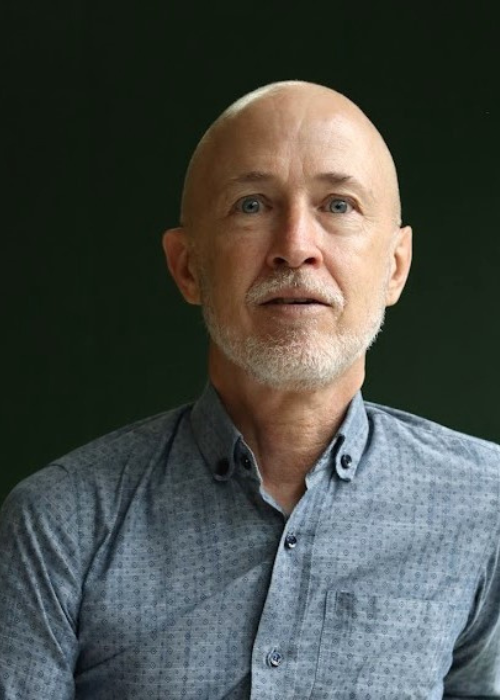
Pierre Brouard

Timothy Hardwick

Sheri Errington
Constitution of the the Sexuality and Gender Division of PsySSA
on sexuality and gender?
• Are you committed to making psychology
diversity-affirming?
• Do you have an interest in collaborations to advance
theory and praxis on LGBTIQ+ issues?
• Are you concerned about sexual and gender rights?
• Or, are you just curious?
Sexuality and Gender Division Brochure
Practice Guidelines For Psychology Professionals Working With Sexually And Gender-Diverse People
Practice Guidelines For Psychology Professionals Working With Sexually And Gender-Diverse People
Practice Guidelines For Psychology Professionals Working With Sexually And Gender-Diverse People (2nd Ed.)
Since science and practice evolve, these guidelines are an updated consolidation of best practice evidence in South African and international psychology as it pertains to understanding sexual and gender diversity.
Practice Guidelines For Psychology Professionals Working With Sexually And Gender-Diverse People (2nd Ed.)
PsySSA publishes Historic Guidelines for Sexual and Gender Diversity
Sexual and Gender Diversity Position Statement
PsySSA Commemorates International Day Against Homophobia, Biphobia and Transphobia
The quiet violence of inaction — we need to do better on gender-based violence - The Mail & Guardian
Southern African HIV Clinicians Society gender-affirming healthcare guideline for South Africa
Open Statement by The Psychological Society of South Africa represented by the Sexuality and Gender Division in support of Comprehensive Sexualities Education in South Africa
Hate crimes against the LGBTIQ+ community have far reaching consequences: PsySSA - SABC News
Dutch Reformed Church leader misrepresents paedophilic disorder as same-sex sexual orientation: An open statement by PsySSA
The Psychological Society of South Africa Sexuality and Gender Divisions issues a Press Statement regarding the Court of Arbitrations' ruling in the case of Caster Semenya vs. The International Associations of Athletics Federation
The Depo-Testosterone stock out must never repeat itself
Statement regarding Medical Affirming treatment, including Puberty Blockers, for Trans Adolescents
Launch of Landmark PsySSA Guidelines on Sexual and Gender Diversity Welcomed Widely
Psychologists expand gender understanding - City Press
SA psychologists adopt landmark LGBTQ affirming practice guidelines - Mambaonline - Gay South Africa Online
Lesbian, gay, bisexual, transgender, intersex and queer rights are human rights - PsyTalk
IPsyNet Statement and Commitment
What happens to a Dream Deferred? Queer Rights in South Africa on IDAHOBIT?
PsySSA joins Qwelane hate speech case
Psychology Society enters Qwelane case - News24
BREAKING NEWS: The Constitutional Court upholds the High Court order against Jon Qwelane
Jon Qwelane – apologise and pay up! - Thought Leader
Justice 12 years delayed: Jon Qwelane hate speech case to be heard in Constitutional Court on 22 September
PsySSA is ‘friend of the court’ in Jon Qwelane hate speech case
Jon Qwelane’s utterances declared hurtful and hate speech
Postponement of Qwelane hate speech case, eight years later, is a denial of justice
JON QWELANE HATE SPEECH: JUDGEMENT DUE ON 18 AUGUST
PsySSA TO TESTIFY IN JON QWELANE HATE SPEECH CASE IN HIGH COURT NEXT WEEK - POWA
Psychological Society of South Africa v Qwelane and Others
Gender activists welcome Concourt judgment in Qwelane's hate speech case
Op-Ed: Jon Qwelane’s hate speech – why words and context matter
APA Monitor on Psychology: Overturning Biases in South Africa
Feminism & Psychology/Sexual and Gender Division, PsySSA student presentation awards, 2022
Honorary mention goes to two students:
- Siyanda Shabalala, who presented, as first author, a paper entitled, Patterns of inclusion and exclusion among transgender women in South Africa: a critical narrative inquiry. Mapping the structures, practices and norms that contribute to the marginalization of transgender women in post- apartheid South Africa, the study found that transgender women face economic disempowerment impacted on by familial rejection and gender-based discrimination in a conservatively gendered labour system. Transgender women were also revealed to contend with institutional stigmatization in healthcare as well as invisibilisation in cisnormative South African knowledge systems that disregard transgender positions.
- Sunitha Swanepoel, who presented, as first author, a paper entitled Using Photovoice to Explore the Perceptions and Experiences of Masculinity amongst Male, Afrikaner Adolescents in Gauteng, South Africa. The study found that constructed notions of hegemonic masculinity were informed by: (1) the socially constructed intersubjectivities within the Afrikaner community, (2) Afrikaner and Voortrekker heritage, (3) historical romanticisation of farm life, and a generational shared patriarchal ownership and trust between Afrikaners and the land, (4) socialisation by friends and family who challenge and ridicule boys to adhere to hegemonic notions of masculinity, and (5) Christianity which guides them to live their lives “right”.
The winner of the 2022 F&P/SGD PsySSA student presentation award goes to Kajal Carr, who presented a paper entitled The pandemic of being a woman: A discourse analysis of the South African media’s accounts of GBV at the time of COVID-19. The study demonstrated reductionist, uncontextualized and highly gendered representations of GBV that uphold colonial ideals of masculinity and femininity, while doing little to resist those power dynamics that uphold GBV.
Warm congratulations to all the awardees! This is a significant achievement.