Building a Unified, Relevant, and Responsive Psychology

Division for Research and Methodology (DRM)

“Your Mental Health Matters” – Division for Research and Methodology

“Your Mental Health Matters” – Division for Research and Methodology

“Your Mental Health Matters”

– Division for Research and Methodology (DRM)

This Mental Health Awareness Month, the Division for Research and Methodology (DRM) reminds us that caring for our mental health is not a sign of weakness — it’s an act of strength and self-awareness.

Their video, “Your Mental Health Matters,” calls on each of us to pause, reflect, and prioritise our well-being.

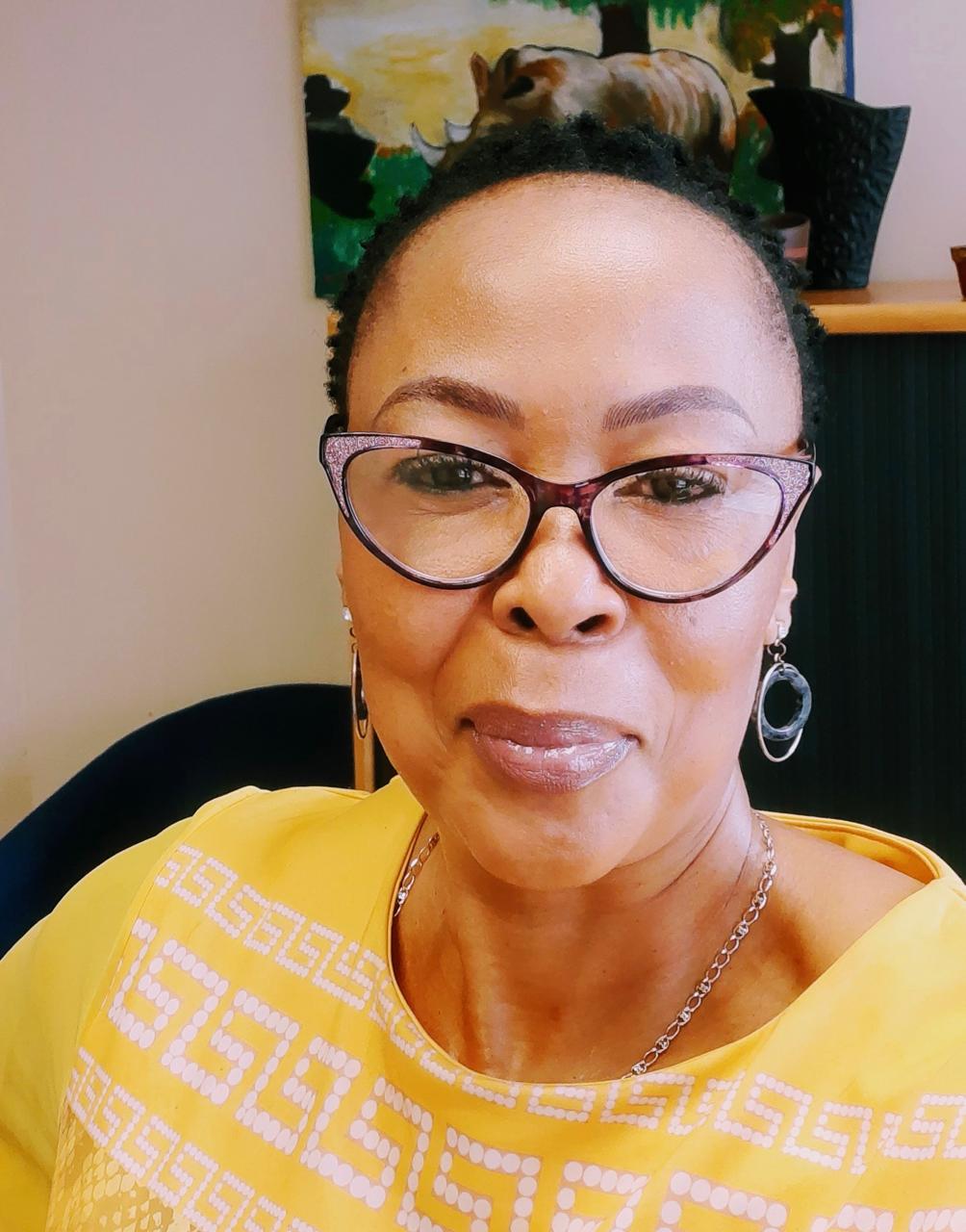
Prof Coetzee also shares valuable insights in her recent Cape Times article — “Schools Should Be the First Stop for Mental Health Prevention and Early Support.”

Her contribution highlights the vital role schools play in early identification, prevention, and intervention, ensuring that young people receive the support they need long before crises emerge.

Let’s continue to raise awareness, break the silence, and affirm that every person’s mental health truly matters.

Watch the full video below:

“Schools should be first stop for mental health prevention,
early support”

– Division for Research and Methodology (DRM) – Bronwyne Coetzee

As part of Mental Health Awareness Month, Dr Bronwyn [Surname] from PsySSA’s Division of Research and Methodology (DRM) shares valuable insights in her recent Cape Times article — “Schools Should Be the First Stop for Mental Health Prevention and Early Support.” Her contribution highlights the vital role schools play in early identification, prevention, and intervention, ensuring that young people receive the support they need long before crises emerge.

Read more in the full article below:

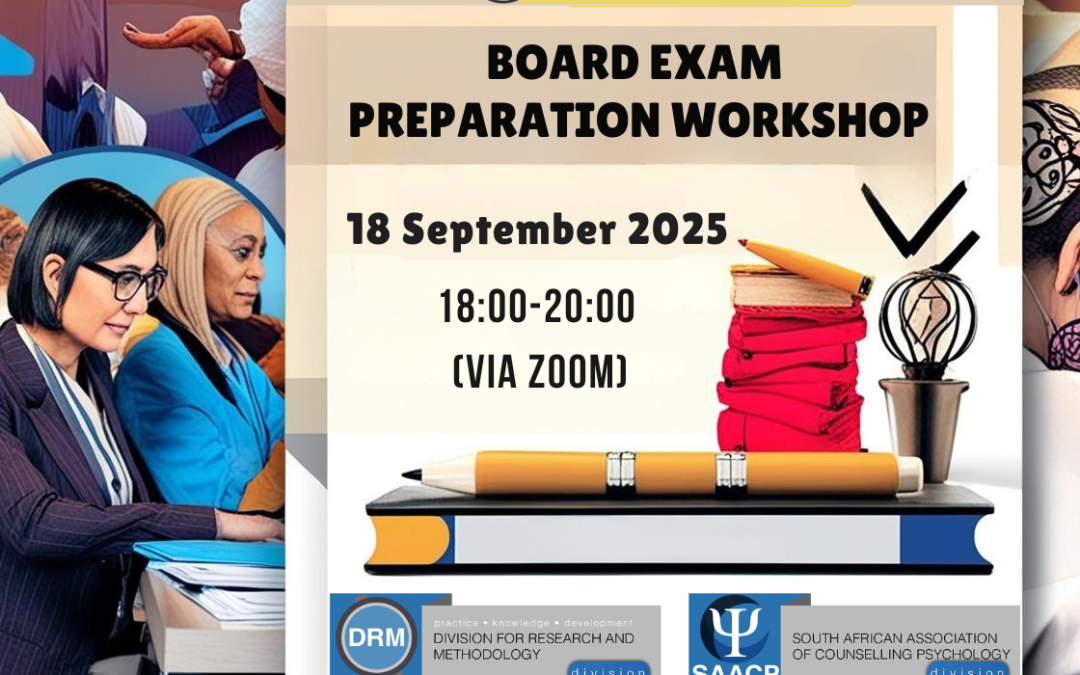
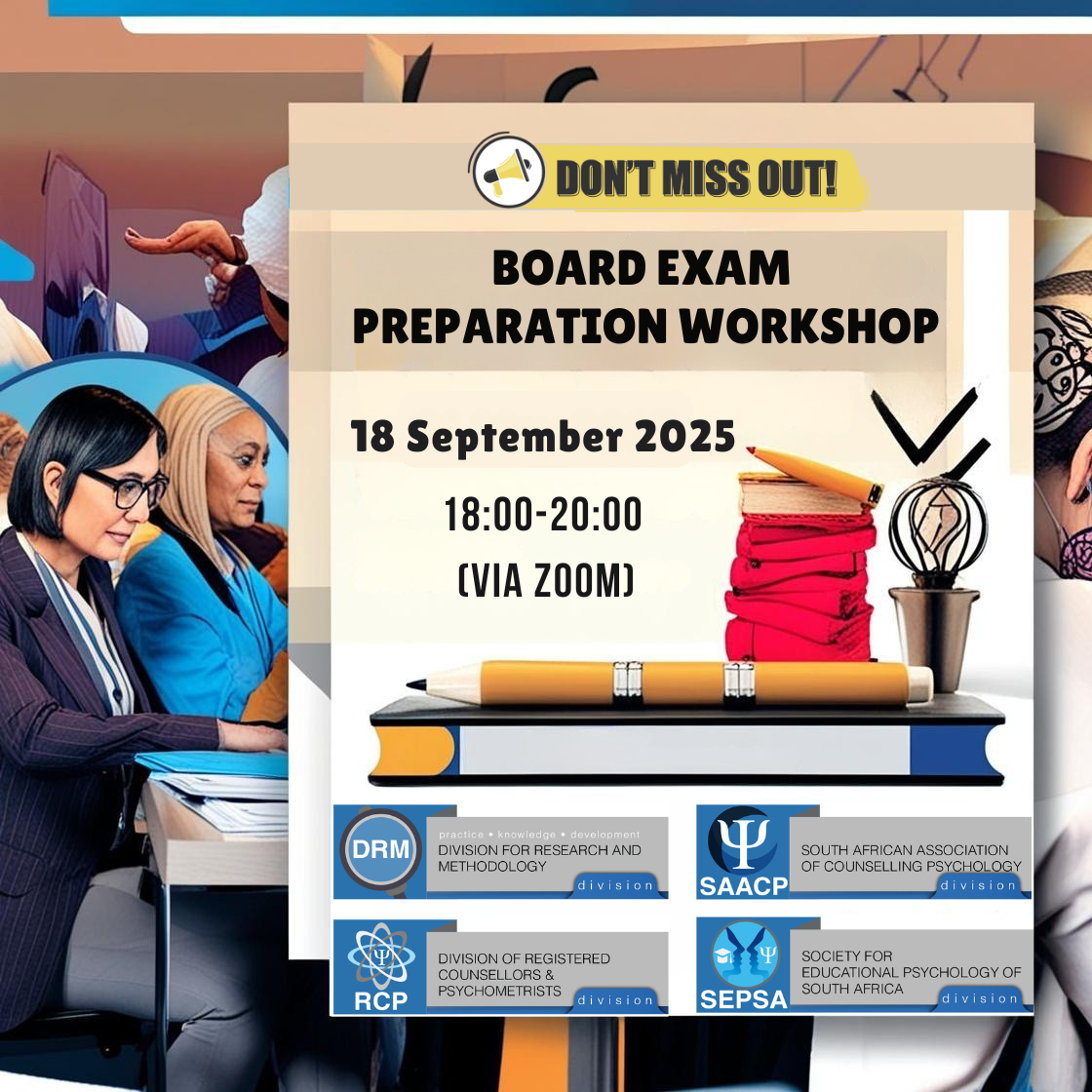
Board Exam Preparation Workshop – 18 September 2025

Board Exam Preparation Workshop – 18 September 2025

Board Exam Preparation Workshop – 18 September 2025

About this workshop

Join us on Zoom as we unpack the Board Exam!

The journey to becoming an HPCSA-registered psychologist entails navigating through rigorous academic training and practical experiences. However, one pivotal milestone stands between aspiring professionals and their goals: the HPCSA board exam. This exam serves as a comprehensive evaluation of theoretical knowledge, clinical skills, and ethical understanding essential for competent practice in the field. For those on the brink of undertaking this examination, the stakes are high, and the need for thorough preparation is paramount.

This underscores the necessity of a specialized board exam workshop tailored to the unique needs of prospective exam takers. Recognizing the complexities and challenges inherent in preparing for such a pivotal assessment, this workshop aims to provide invaluable clarity and guidance to participants.

The workshop will encompass multifaceted approaches to bolstering exam readiness for students in psychometry, counselling, research, educational and clinical psychology. Through interactive sessions, participants will delve into the intricacies of the exam format, content domains, and requisite competencies.

In essence, this workshop serves as a pivotal resource in equipping student and exam candidates with the tools, knowledge, and support necessary to navigate the challenges of the board exam successfully. By fostering clarity, confidence, and competence, the workshop endeavours to empower individuals to embark on their professional journeys with assurance and readiness to make meaningful contributions to the field of psychology.

Join the workshop at no cost!

Meet The Facilitators
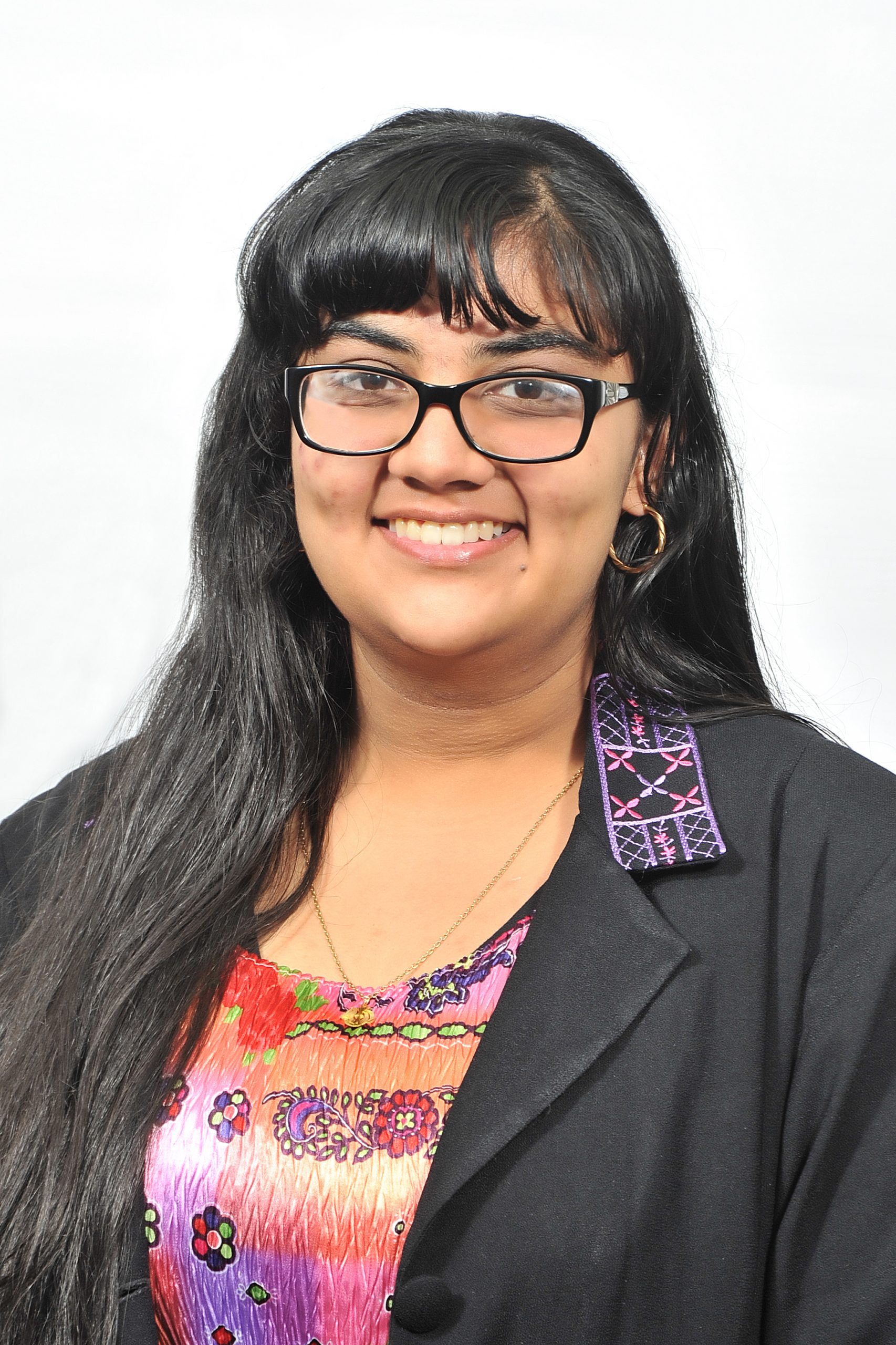
Dr Pakeezah Rajab

Dr Pakeezah Rajab

Presenter

Bio

Dr Pakeezah Rajab is the Senior Researcher at JVR Psychometrics and a PsySSA 2024-25 Additional Executive Member. Her PhD topic was “Non-intellectual factors that influence mathematics performance in South Africa.” She has experience applying psychometric results to a variety of contexts, including schools, private practice, higher education, and corporate environments. Pakeezah has worked on numerous projects that developed, validated and/or standardised assessments for use by the South African population – including aptitude, personality, values, career guidance and emotional intelligence. Her research interests include cognitive functioning, student performance and assessment development.

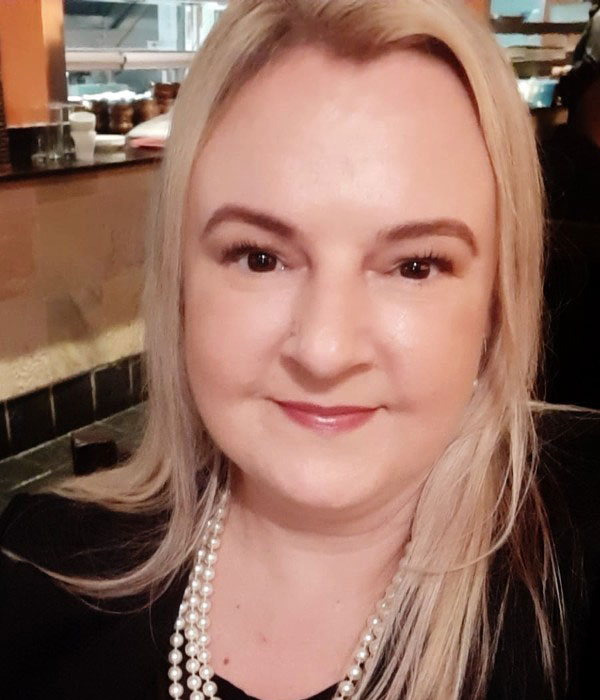
Ms Genevieve Burrow

Ms Genevieve Burrow

Presenter

Bio

Genevieve Burrow is a registered counsellor and chairperson of the PsySSA Division of Registered Counsellors and Psychometrists. Genevieve is the manager of The Youth Hub, based at Groote Schuur Hospital Adolescent Centre of Excellence, where she counsels, and manages students and the counselling centre. She has hosted several board exam workshops previously, and enjoys working with students to enlighten them about the upcoming HPCSA board exam. Genevieve Burrow is committed to driving excellence and innovation in the practice of counselling, and promoting the visibility and importance of this field. Genevieve is passionate about youth upliftment and collaborates with a medically-informed multidisciplinary team to provide comprehensive and holistic care to adolescents facing diverse challenges in under-provided areas.

Dr Kemoneilwe Momi Metsing

Dr Kemoneilwe Momi Metsing

Presenter

Bio

Dr. Kemoneilwe Momi Metsing is a registered Educational Psychologist with a PhD in Psychology. She is a Senior Lecturer in the Department of Psychology of Education at the University of South Africa (UNISA) and Chairperson of the Society for Educational Psychology of South Africa (SEPSA). Dr. Metsing has a private practice and consults for government and private companies on relational and organizational transformation. She is an expert witness and member of the South African Medico-Legal Association (SAMLA). Dr. Metsing has held various leadership positions, including Chief Education Specialist in the Department of Education and board member of the South African Professional Society on the Abuse of Children (SAPSAC). She is an External examiner and clinical supervisor for MEd Educational Psychology at UJ. She serves on the Executive Committee of Decolonising Psychology at the Psychological Society of South Africa (PsySSA) and is a Critical Reader for UNISA’s Department of Adult Community and Continuing Education. With expertise in developing community-based programs, Dr. Metsing has successfully brought together individuals and organizations to address social issues, fostering partnerships and sustainable solutions. She is committed to inspiring and educating the next generation of leaders and change-makers, and her appointment at UNISA marks an exciting new chapter in her journey.

Dr Matome Jack Mashiapata

Dr Matome Jack Mashiapata

Presenter

Bio

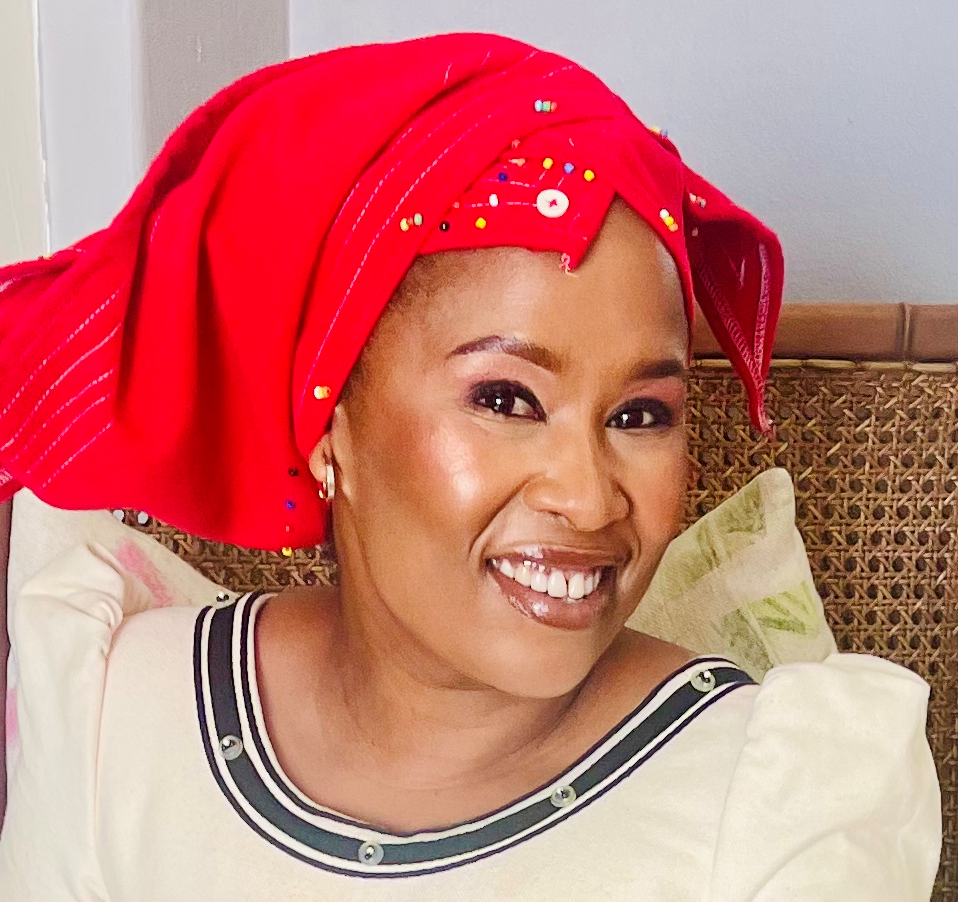
Dr Mashiapata is a registered Educational Psychologist with the Health Professions Council of SA with over three decades of experience as a lecturer college for teacher training, high school teacher, a school psychologist in the department of basic education, manager of services for students with disabilities as well as student counselling. Currently working as the Director for Counselling and Career Development at UNISA, he has presented papers and workshops locally and internationally in the areas of career counselling, pastoral counselling, mentorship, career development, ethics, students with disabilities, etc. He holds active membership and leadership roles the Psychological Society of SA (PSYSSA), Society for Education Psychology of SA (SEPSA), South African Federation of Student Affairs (SAFSAS), International Association of Student Affairs and Services (IASAS) serving as the Africa regional director, deputy chairperson of Council for Pastoral and Spiritual Counsellors (CPSC), and Higher and Further Education Disability Services Association (HEDSA). He is the past president of the Southern African Association of Counselling and Development in Higher Education (SAACDHE). Dr Mashiapata has authored a chapter on Trauma Debriefing in a book titled “Life skills – my journey, my destiny”. He presents accredited CPD workshops on ethics in counselling services.


Deneo Sekese

Deneo Sekese

Presenter

Bio

Deneo Sekese started her career in Human Resources specifically training and development and organisational development. Her passion for people and therapy led to a midlife career change into psychology. Deneo completed her masters in Counselling Psychology at Rhodes University and internship at the student counselling centre at the Durban University of Technology. She has had the privilege of presenting her masters research at the 27th Annual South African Psychology Congress. Deneo’s areas of interest are African Psychology, Wellbeing and Salutogenesis and Community psychology. She recently registered with the Board of Psychology HPCSA and is in the process of setting up a private practice.

Arianna Fadda

Arianna Fadda

Presenter

Bio

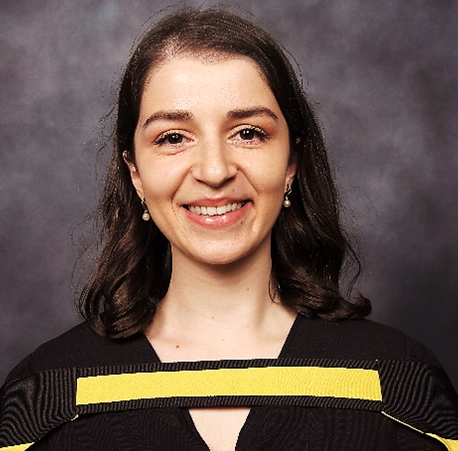
My name is Arianna Fadda. I hold a Bachelor of Arts and a Bachelor of Social Science Honours in Psychology both from the University of Pretoria as well as a professional master’s degree (by coursework and research report) in Social and Psychological Research from the University of the Witwatersrand. My research report focused on the perceptions of health professionals regarding an online depression screening tool adapted for South Africans. Following my master’s, I completed a year-long Research Psychology internship at the Africa Unit for Transdisciplinary Health Research (AUTHeR) at the North-West University, during which I worked on various qualitative and quantitative research projects. I subsequently wrote and passed the Research Psychology Board Examination with the Health Professions Council of South Africa earlier this year and I am now a registered Research Psychologist. I am currently working as a research assistant for AUTHeR and planning further studies towards a PhD.


Rekha Kangokar

Rekha Kangokar

Presenter

Bio

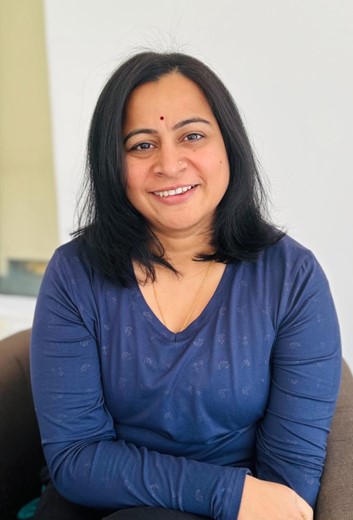
Mrs Rekha Kangokar Rama Rao is a Registered Counsellor and has completed Masters in Community-Based Counselling Psychology. Working with a person centered approach she is passionate about fostering mental well-being. She integrates evidence-based practices with a holistic approach to nurture growth and healing within both individuals and communities. She has been associated with various NGOs and has supported them closely, Rekha has served a Secretary and Treasurer before and currently serves as an additional member in the RCP division.

Zakiyah Hoosen

Zakiyah Hoosen

Presenter

Bio

Zakiyah Hoosen is a dynamic individual with a deep love for Psychology. She completed her undergraduate degree at the University of Pretoria majoring in Psychology and Languages; later obtaining her Honor’s degree from SACAP and went on to become a qualified registered counsellor. She is active in the field and works across multiple organizations, working within a trauma-informed focus to facilitate counselling and psychoeducation to children, adolescents, and adults. Zakiyah is currently advancing her knowledge and training on her journey of master’s in Clinical Psychology, and she aspires to foster psychosocial wellbeing across all spheres of life through meaningful and efficient psychological services for all.

DRM Webinar: Surface Echoes: A creative research methodology for art and health practice

DRM Webinar: Surface Echoes: A creative research methodology for art and health practice

DRM Webinar: Surface Echoes: A creative research methodology for art and health practice

Join the PsySSA DRM and Beverley Hood, presenting Surface Echoes, a creative research project that brings to life the everyday challenges and emotional impact of eczema. The project was developed over three years with input from creative professionals, arts, and health researchers, working in partnership with individuals affected by eczema..

Surface Echoes: A creative research methodology for art and health practice

Date:                           28 August 2025

Time:                           12h00 to 13h00 SAST

MS Teams Link:          Click to join (no registration required)

About the webinar

Surface Echoes is a Wellcome Trust ScotPen funded creative research project led by Beverley Hood and Professor Sara Brown, at the University of Edinburgh, which brings to life the everyday challenges and emotional impact of eczema. The project was developed over three years with input from creative professionals, arts and health researchers, working in partnership with individuals affected by eczema. Surface Echoes aims to create empathy, spark conversation, and deepen understanding of the realities of living with eczema. The project resulted in a publicly available resource: an A4 Printable Script intended to be read aloud together as a collective experience of reading and listening to other people’s voices, accompanied by an audio recording of the script. Originally created as a text collage, the script was collated from verbatim comments by patients, carers, and health professionals taken from articles published in qualitative dermatology research journals, and participants’ stories. The resource gives a glimpse into life with the itchy, inflammatory skin condition eczema.

Surface Echoes is intended to be used as a training resource for health workers and medical students, or informally within families and between friends and colleagues, to stimulate discussion and improve understanding of eczema experiences. The resources are available to download at: https://www.ascus.org.uk/projects/surface-echoes

Can’t join us live? Watch all recordings of the PsySSA DRM Webinars and Research Podcast episodes on the PsySSA DRM YouTube Channel

About the Presenter
Beverley Hood

Beverley Hood

Beverley Hood is an artist and Reader in Technological Embodiment & Creative Practice, at Edinburgh College of Art, University of Edinburgh. Beverley works in digital media, film, performance, painting, collage, and writing. Her work delves into the impact of technology and science on the body, relationships, and human experience. She collaborates with a range of interdisciplinary practitioners, including medical researchers, scientists, writers, technologists, dancers, actors, and composers. Beverley’s work has been performed, screened, and exhibited at international galleries, museums, and events including the Royal Alberta Museum, Canada, Bienal de Arte Digital, Brazil, Stockholm Kulturhuser, Sweden, Edinburgh International Festival, CCA Glasgow, and the Institute of Contemporary Art, London.

Men’s Health Month 2025

Men’s Health Month 2025

Men’s Health Month 2025

Read our submissions from The DRM, SASCP and the AI Division!

As we mark Men’s Mental Health Month this June, the Division for Research and Methodology (DRM) of PsySSA reflects critically on the evolving discourse around men’s psychological well-being in South Africa. Despite growing awareness, men remain significantly underrepresented in mental health service use, often constrained by dominant ideals of masculinity that equate vulnerability with weakness.

In this short video and companion article, Executive Committee member Omphile Rammopo offers a timely and thought-provoking exploration into how mental health support for men can move beyond awareness toward action. Drawing from clinical insight, personal observation, and grounded local research, Rammopo challenges us to rethink therapeutic approaches that may inadvertently alienate men—and invites us to consider new, culturally relevant, strength-based frameworks.

Produced in collaboration with the DRM, this offering is both a call to reflection and a catalyst for transformation. As psychologists, researchers, and mental health advocates, we are urged not only to ask “Where to from here?”—but to act decisively in shaping support systems that resonate with the lived experiences of men across our diverse society.

#MensMentalHealthMonth #PsySSA #DRM #MentalHealthMatters #MasculinitiesInContext #PsychologyForSocialJustice

Men’s Mental Health Month 2025

By Sibusiso Vilakazi and Barry Viljoen

The month of June is dedicated to the awareness of Men’s Mental Health. The goal of which is to shine a light on and raise awareness regarding the unique mental health challenges faced by men. While there has been positive change in this regard, many men still continue to struggle in silence. One of the reasons for this could be as a result of societal expectations and the subsequent sigma, both internally and externally regarding the expression of vulnerability.

We know that statistically men are less likely to seek mental health support, which can and sadly often does lead to serious consequences. One such example being the higher suicide rates by men. It is hope that by giving a platform to these topics that friends, families, and communities will be encouraged to create safe spaces which are free of judgment and scrutiny. Reminding us that seeking help is a sign of strength and not that of weakness. Once again demonstrating that mental health is as important as that of physical health.

In this month we hope to break barriers by encouraging open conversations, which promote mental wellness and support those seeking the assistance required. In so doing we have collaborated with Sibusiso Vilakazi to share with us some of the work which he and his organisation are doing, to achieve these goals.

Brother’s Keeper SA (BKSA) is a men-only non-profit and registered organisation. BKSA serves as a support network and structure for men. It was established premised on the realisation that men do not have platforms through which they can be vulnerable and express their feelings and challenges. Unemployment, underemployment and a myriad of societal issues continue to beset men, resulting in psycho-emotional conditions such as stress, depression and, in extreme cases, suicide, substance abuse and propensity to criminal behaviour and detainment. In a world that prioritises and advances the rights and developmental needs of other members of society, little focus is devoted to the needs and a plethora of challenges that confronting men daily in South Africa. The number of men who are apprehended continue to rise, although it is understood that multiple factors account for this. BKSA loathes the acts of men who harm women.

BKSA came into existence at the height of the Covid-19 pandemic; at a time when greater support was needed, as the effects of pandemic were felt throughout the world. It was during this time when some men lost their jobs and some lost their spouses due to Covid-19.  It exists as a mechanism for providing a support network and structure for men to freely express their frustrations, challenges and needs in a space that is welcoming and free of prejudice and judgement.

BKSA hosts virtual support sessions monthly on Thursdays. Topics covered include social and emotional support, mental health, family issues, career development, financial health and physical health and fitness. Since its establishment, the organisation has developed an ongoing good relationship with practitioners and professionals across various fields. Ultimately, the organisation seeks to establish a formalised partnership with this network of professionals to enable sustainability of interventions and structured support services such as counselling, mentoring and coaching. Equally important, the organisation will partner with like-minded organisations whose mandates are geared towards development of men. It is through partnership that the organisation will be able to expand and widen its reach throughout the country.

BKSA observes local and international campaigns. The ultimate aim is to create a community of men who will be responsible, caring and able to be receptive to help and support. Men who participate in BKSA learn about how to be responsible in their communities, families and workplaces and responsive to the needs of their communities. There’s a sense of brotherhood and collective responsibility that is engendered through participation in BKSA.

In terms of how we operationalise our services, we identify men-related issues and:

  1. Raise awareness by running and supporting campaigns
  2. Referral to professional services and support
  • Targeted support, such as one-on-one intervention (mentorship)
  1. Community presentations
  2. Recreational activities

While our organisation has experienced a gradual increase in numbers, we intend to continually diversify our approach to topical issues and interventionary strategies. Whether participants are dealing with relationship issues, financial difficulties and mental health concerns or require any other form of support, our team is readily available to support them. While we maintain that we do not offer clinical, therapeutic or medical diagnosis or intervention, our platform exposes participants to qualified and seasoned experts in the various spheres of counsel and guidance to ensure appropriate approaches to healing.

The vision of the organisation ideates the creation of a safe, supportive and holistic community that encourages a culture of expressive, emotionally conscious and self-aware men as they navigate their lived experiences in an ever-changing world. To produce men who are psycho-emotionally healthy and resilient. We seek to build a transformational space for men and encourage authenticity and accountable men who contribute positively to a healthier society.

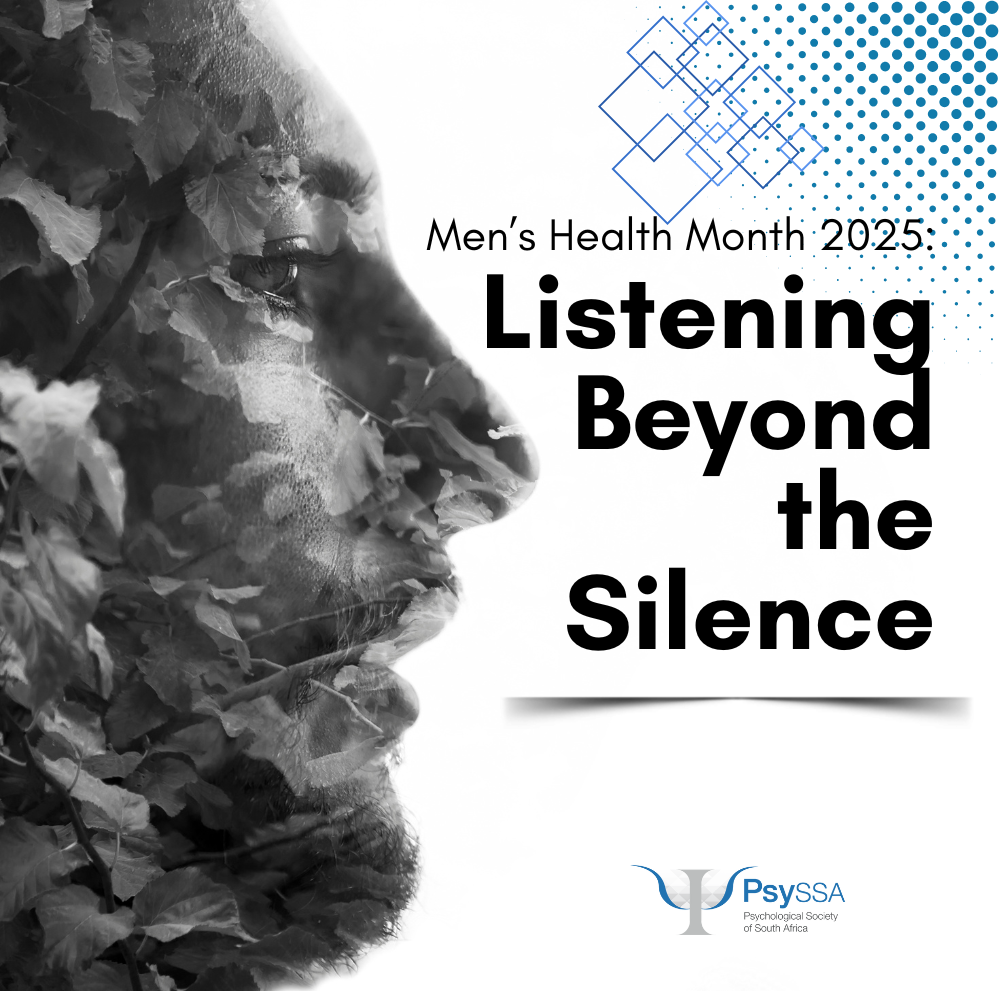
Men’s Health Month 2025: Listening Beyond the Silence
By Dr Ewald Crause
For the Psychological Society of South Africa

June is Men’s Health Month. But for many men in South Africa, health remains something unspoken. Not due to a lack of problems, but because speaking comes at a cost. In too many homes, clinics, and counselling rooms, silence has become the strategy. And for many men, silence is safer than honesty.

This year’s theme, “Check In, Not Out”, calls for early intervention and preventative care. It is a message that needs to land differently here. Because in the South African context, men are not simply failing to check in with doctors or therapists. They’re also checking out of themselves, their families, and for some, even their futures.

As psychology practitioners and academics, we observe it in statistics and sense it in the absences and silences. The man who doesn’t return for a second session. The father who disappears from the school meeting. The young adult whose first appointment only comes after an attempt. For too many, help arrives too late.

Behind these moments are pressures that psychology professionals know well. High rates of unemployment. Cycles of intergenerational trauma. The burden of being the provider, even when there is nothing left to give. Social scripts that still reward men for being silent, stoic, and self-contained…until they break.

In practice, male clients often arrive not because they chose therapy, but because someone else did. A partner insisted. A boss threatened. A court ordered. When they do arrive, they rarely use clinical language. They don’t say “anxiety” or “depression.” They talk about pressure. Sleeplessness. Losing control. Being “off.” These are not just linguistic differences. They are warnings. If we are not listening closely, we miss the distress altogether.

To work effectively with men, our role is not to convince them to talk. It is to ensure that when they do, they are heard without judgment, interruption, or interpretation. That our language doesn’t assume help-seeking is familiar or safe. That we acknowledge the resistance without reinforcing it.

Intervention needs to be practical, not idealistic. Most men are not looking for long-term therapy. They are looking for something that works. Brief interventions, solution-focused conversations, peer models, role clarity, and support that aligns with their roles as workers, fathers, sons, or leaders. Respect matters. So does structure. So does knowing when to step back and refer.

But this is not only about individual therapy. It is about the systems in which we operate. Access to care is uneven. Services in rural and peri-urban areas remain difficult to reach. Long waiting lists in the public sector often mean that prevention becomes impossible. For many men, especially working-class men, there is no clear path between noticing that something is wrong and receiving the support to address it. That space between is where we lose them.

This month must not be reduced to awareness slogans. The work is not about getting men to speak. It is about creating spaces where they do not have to defend their pain. It is about reducing the threshold for help. About making support a familiar part of life, not a crisis response. About including men in the broader mental health conversation without assuming they already know the terms of engagement.

To the men reading this: this month is not a campaign. It is a reminder that your life matters. That survival is not the only goal. That checking in is a strength, not a liability. That you are not meant to carry everything alone.

To the psychology professionals reading this: we can change the trajectory. To create systems, practices, and messages that speak to men without demanding that they first speak like us. That is the challenge. That is the opportunity.

Let’s meet men where there are, not where society expects them to be. And not just in June, but in the work we do every day.

DRM Webinar: Seeing is Believing: Visual Research Methodologies in the Social Sciences

DRM Webinar: Seeing is Believing: Visual Research Methodologies in the Social Sciences

DRM Webinar: Seeing is Believing: Visual Research Methodologies in the Social Sciences

Join the PsySSA DRM and Prof Sisanda Nkoala as we explore the power of visual research methodologies that integrate diverse visual elements such as archive images, media, maps, objects, buildings, and video interviews, to construct compelling case studies in the social sciences.

Seeing is Believing: Visual Research Methodologies in the Social Sciences

Date:                           31 July 2025

Time:                           12h00 to 13h00

MS Teams Link:          Click to join (no registration required)


About the webinar

This presentation will explore the power of visual research methodologies in the social sciences. These techniques move beyond traditional text-based approaches by integrating diverse visual elements – including archive images, media, maps, objects, buildings, and video interviews – to construct compelling case studies. We will discuss how emphasising the visual dimension can lead to richer, more nuanced understandings of social phenomena and enhance researcher’ engagement with both their subjects and wider audiences. Through case studies of innovative studies that have employed visual research methodologies, the presentation aims to encourage attendees to explore the potential of visual methods in their own fields, providing practical examples of successful implementation and highlighting the unique contributions of visual inquiry.

Can’t join us live? Watch all recordings of the PsySSA DRM Webinars and Research Podcast episodes on the PsySSA DRM YouTube Channel

About the Presenter
Prof Sisanda Nkoala

Prof Sisanda Nkoala

Prof Sisanda Nkoala is a former award-winning journalist turned NRF-rated Associate Professor in the University of the Western Cape’s Linguistics Department. She is a joint holder of the UWC Media Inclusion and Diversity Chair. She holds a PhD in Rhetoric Studies. Her research on media, rhetoric and multilingualism has been published in the top journals in her field, including Journalism, Acta Juridica, and the International Journal of Multilingual Research. She has received research-related honours and grants from the National Institute of Humanities and Social Sciences, the International Communication Association, the National Research Foundation and the Association of Commonwealth Universities, among others. She is also a public intellectual whose commentary has been featured by the Namibian Broadcasting Corporation, Reuters, University World News and several South African news media entities.

DRM Webinar: Reflections on a decade of research in test construction

DRM Webinar: Reflections on a decade of research in test construction

DRM Webinar: Reflections on a decade of research in test construction

Join the PsySSA DRM and Prof Erica Munnik as she reflects on her career trajectory from a psychometrist in primary health, to clinical psychologist, to academic and researcher and how her experiences lead her to understand how important research in test development is in educational and clinical spaces.

Reflections on a decade of research in test construction

Date:                           19 June 2025

Time:                           12h00 to 13h00

MS Teams Link:          Click to join  (no registration required)


About the webinar

The development and adaptation of psychological measures are still a focus of many discussions and are receiving ongoing attention in studies in South Africa. Most clinicians and researchers agree that a renewed focus on measure development and adaptation is needed to ensure accurate, culturally relevant, and ethically sound measures for use in applied contexts such as industry, education and clinical practice. South Africa’s multi-linguistic and cultural contexts often impacts the development of measures significantly but an ongoing focus and engagement is vital as assessment needs to promote fairness, assist in decision making, and need to advance psychology as a science within the South African context. It is with this in mind that I will reflect on my career trajectory from a psychometrist in primary health, to clinical psychologist, to academic and researcher and how my experiences lead me to understand how important research in test development is in educational and clinical spaces. It is hoped that this presentation will motivate research psychologists and students to engage in the field of test development and adaptation, to understand the vital importance of research in this area to complement assessment practises and ultimately guide psychological interventions in these applied settings.

Can’t join us live? Watch all recordings of the PsySSA DRM Webinars and Research Podcast episodes on the PsySSA DRM YouTube Channel

About the Presenter
Prof Erica Munnik

Prof Erica Munnik

Prof Erica Munnik is a clinical psychologist and holds an Associate Professor rung at University of the Western Cape (UWC). She is a senior staff member in the Department of Psychology in the Faculty of Community and Health Sciences teaching on undergraduate as well as post graduate level. Sy does clinical as well as research supervision. Erica is considered to be a mid-career researcher. She is currently busy with her second post-doctoral project focused on translation and adaptation. She is actively publishing in peer reviewed journals (h-index-8, i-10 index-7 with 165 citations since 2019). Her research has continuously been supported by NRF funding. Her research dovetails her expertise in psychological assessment. Erica developed innovative products such as the Emotional Social Screening Tool for School readiness (E3SR-R), English, Afrikaans and isiXhosa versions and co-developed The Quality of Translation and Linguistic Equivalence Checklist (QTLC-revised). She continues to do presentations nationally and internationally to introduce her work to the academic community. Erica is also translating her research and clinical experience into community work. She does consultative work at preschools focused on equipping educators with the necessary skills to develop and assess young learners emotional and social skills. She firmly believes in translating knowledge to practise.