PsySSA Commemorates World Social Work Day – 18 March 2026

PsySSA Commemorates World Social Work Day – 18 March 2026

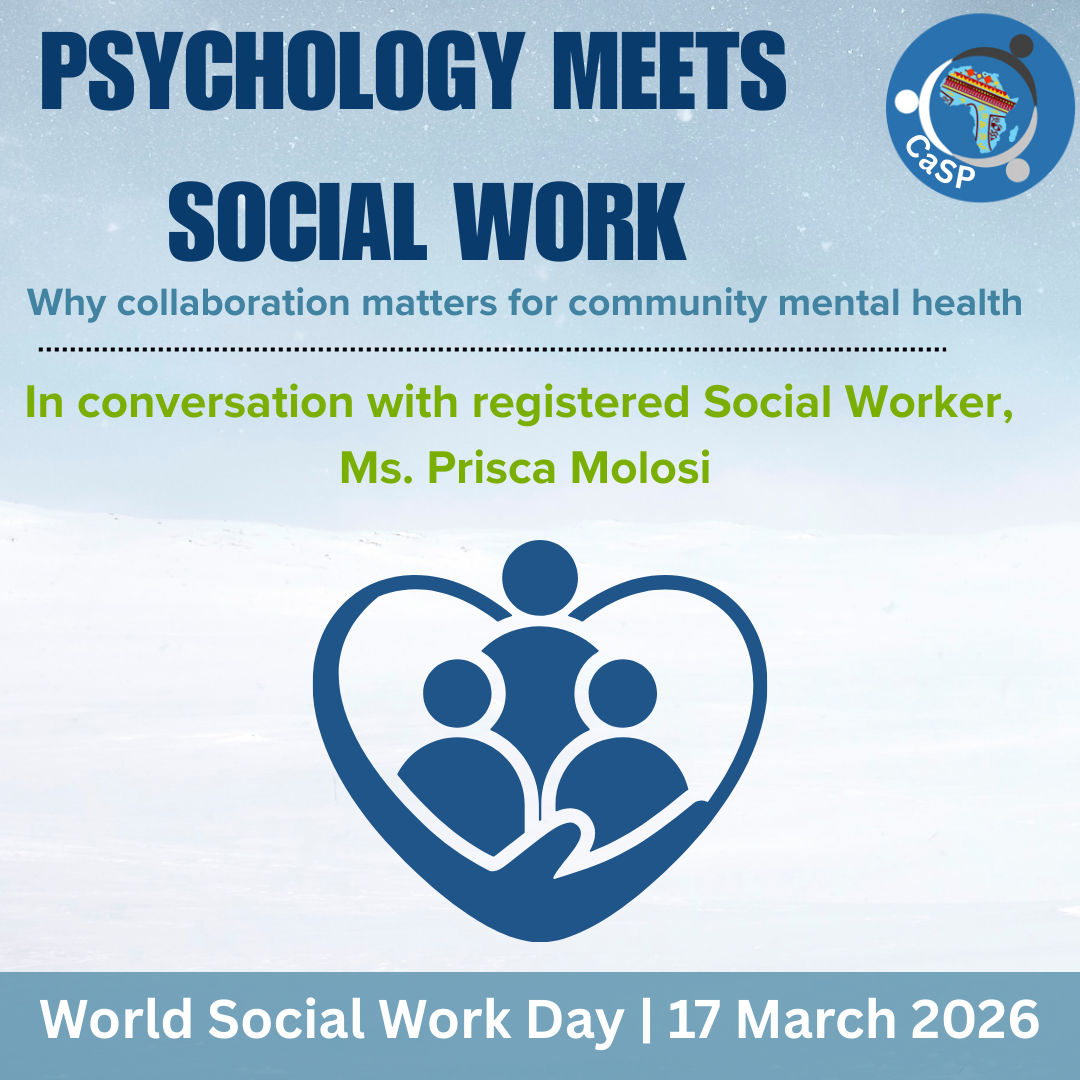
World Social Work Day 2026 | Psychology Meets Social Work


In commemorating World Social Work Day, PsySSA is pleased to share contributions from our Divisions, highlighting the vital intersection between psychology and social work in advancing community mental health.

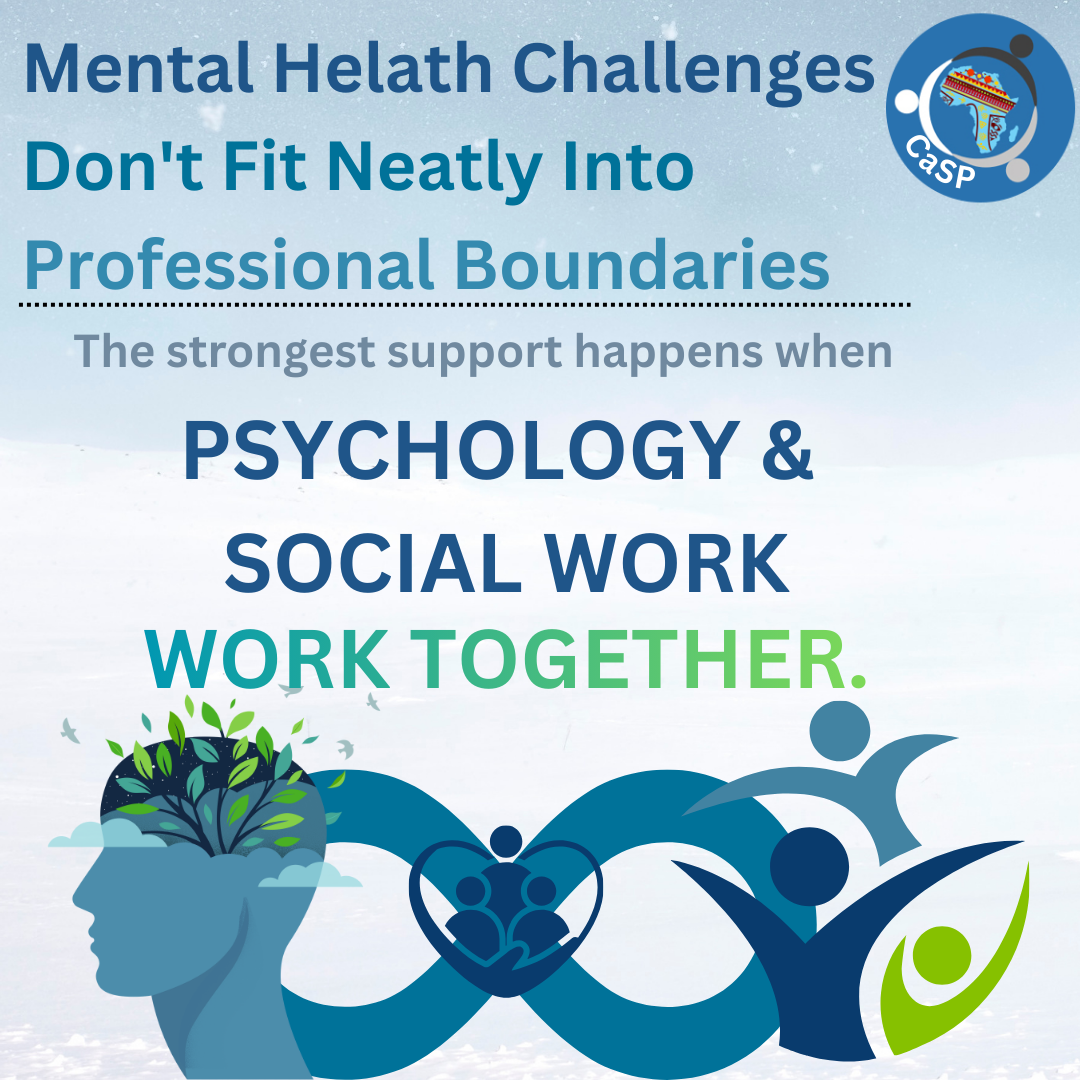
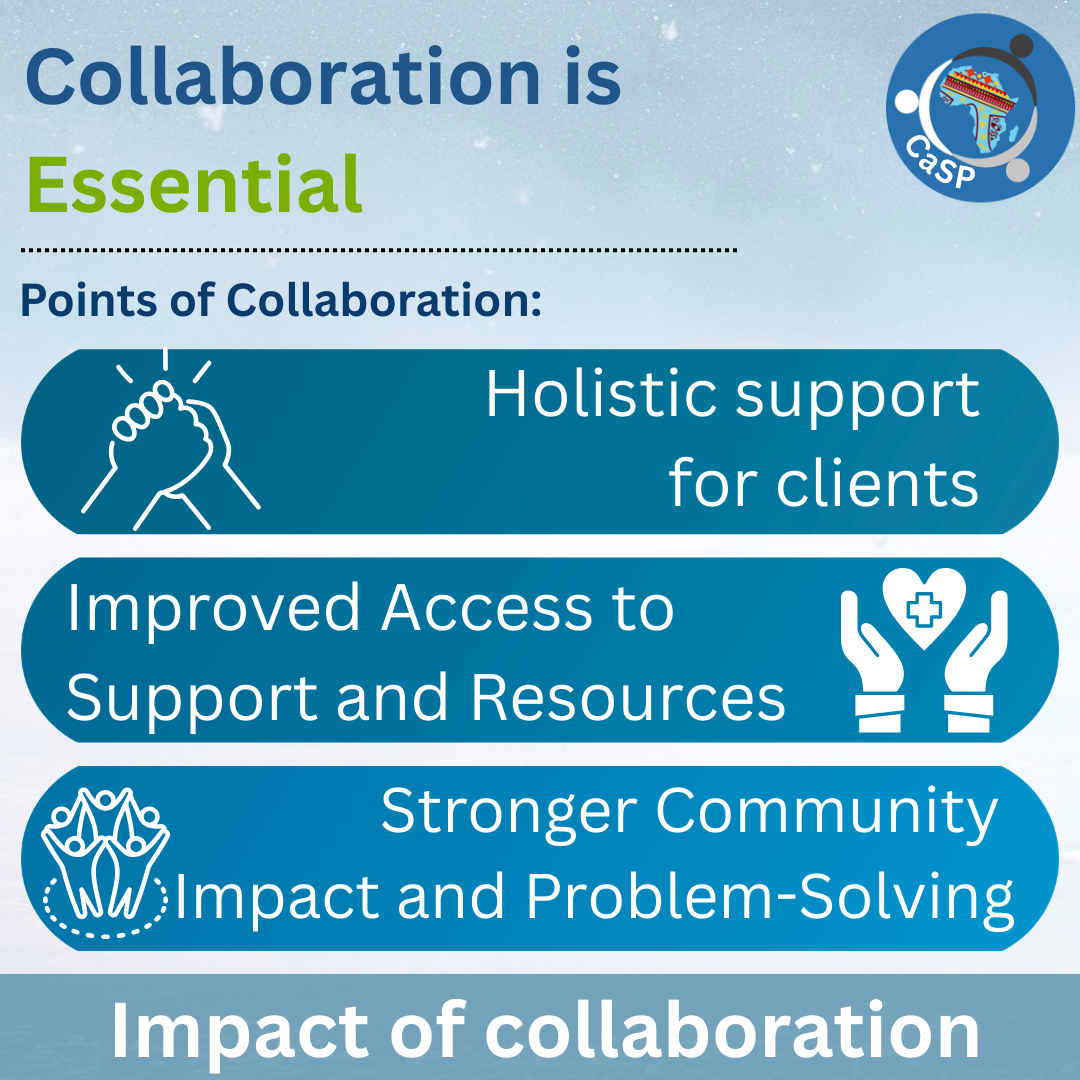
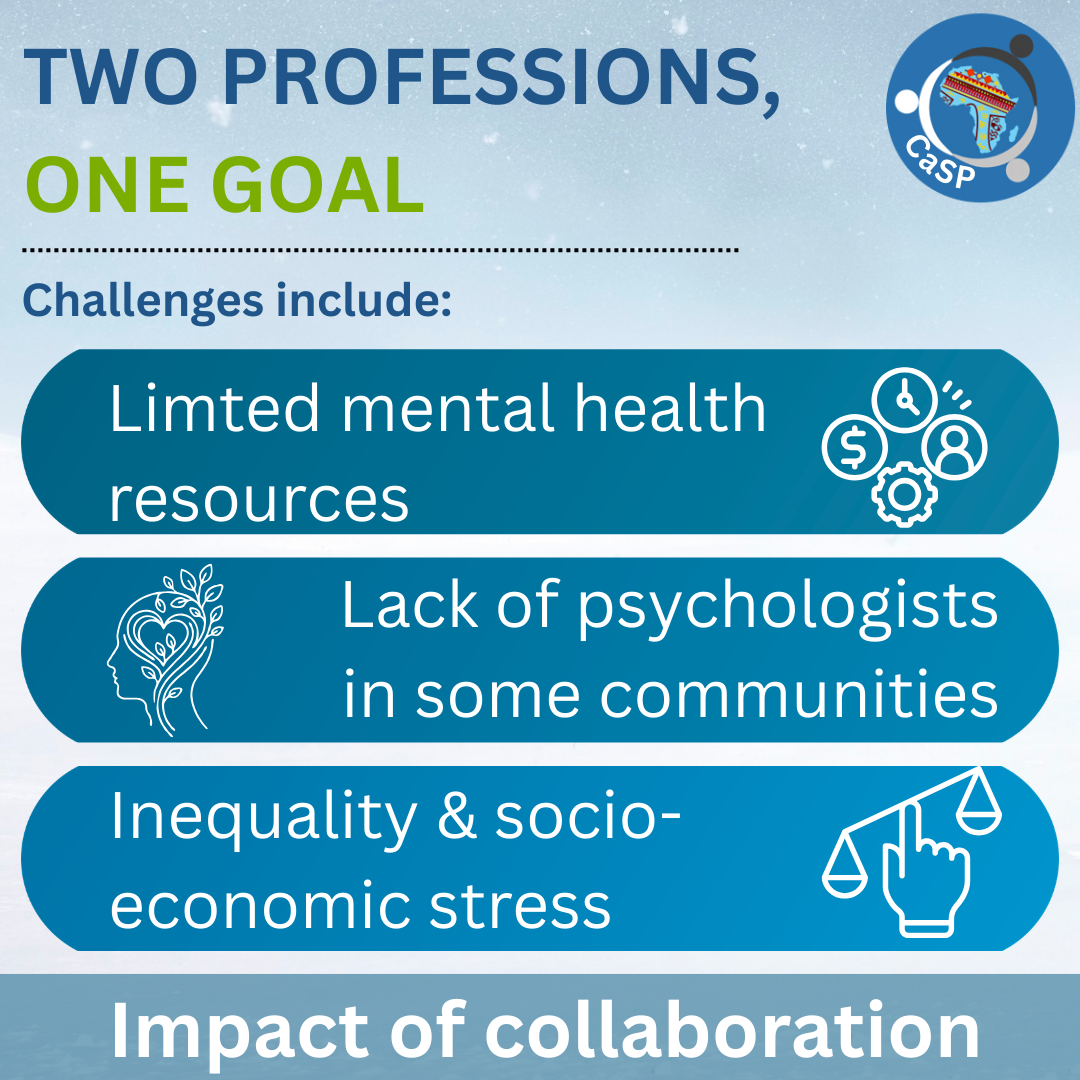
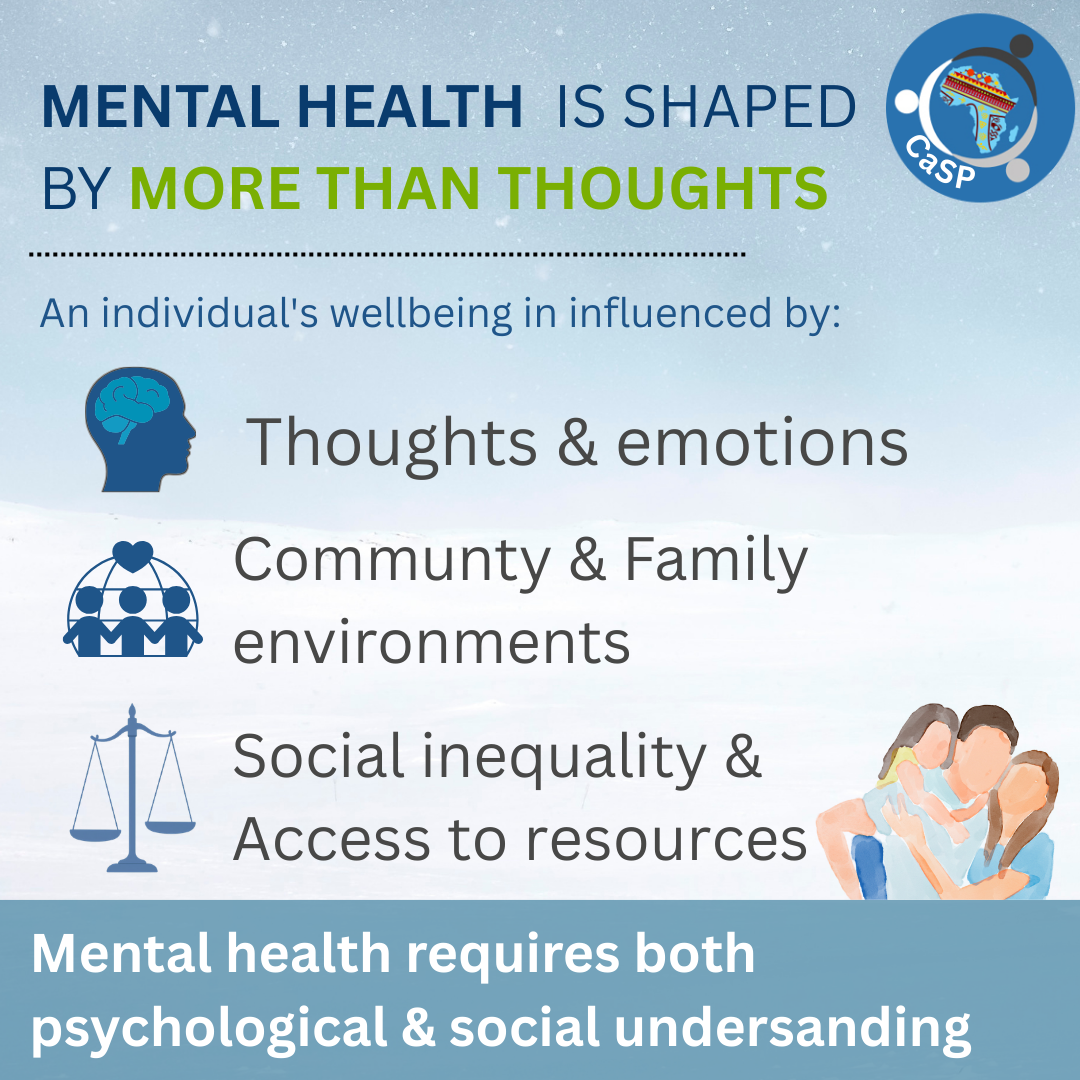
We feature a visual contribution from the Community and Social Psychology Division (CaSP), which reflects on the importance of collaboration, the broader social determinants of mental health, and the shared goal of strengthening community wellbeing.

In addition, we share a video conversation from the The South African Society for Clinical Psychology (SASCP) Division, offering insight into the role of social workers, common misconceptions about the profession, and what it means to work within this critical field.

Together, these contributions emphasise that mental health care does not happen in isolation – it requires collaborative, interdisciplinary approaches that centre both psychological and social realities.

We invite you to engage with these contributions and reflect on the power of working together to support individuals, families, and communities.


SASCP Webinar – Beyond Diagnosis: Reimagining Therapy Through a Neurodiversity Lens

SASCP Webinar – Beyond Diagnosis: Reimagining Therapy Through a Neurodiversity Lens

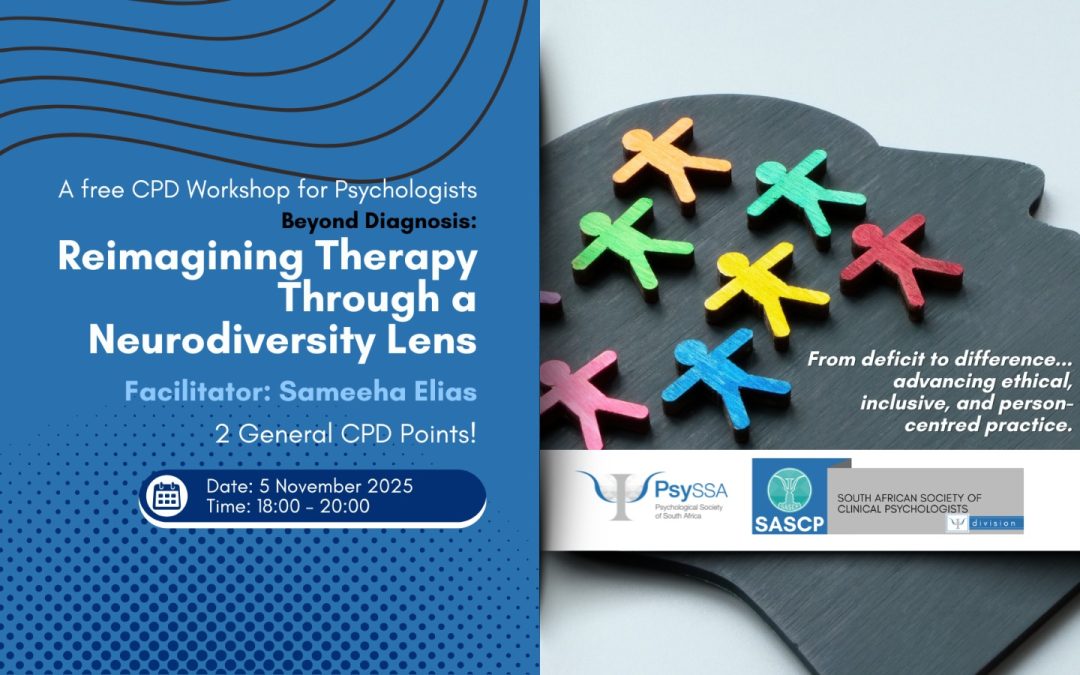
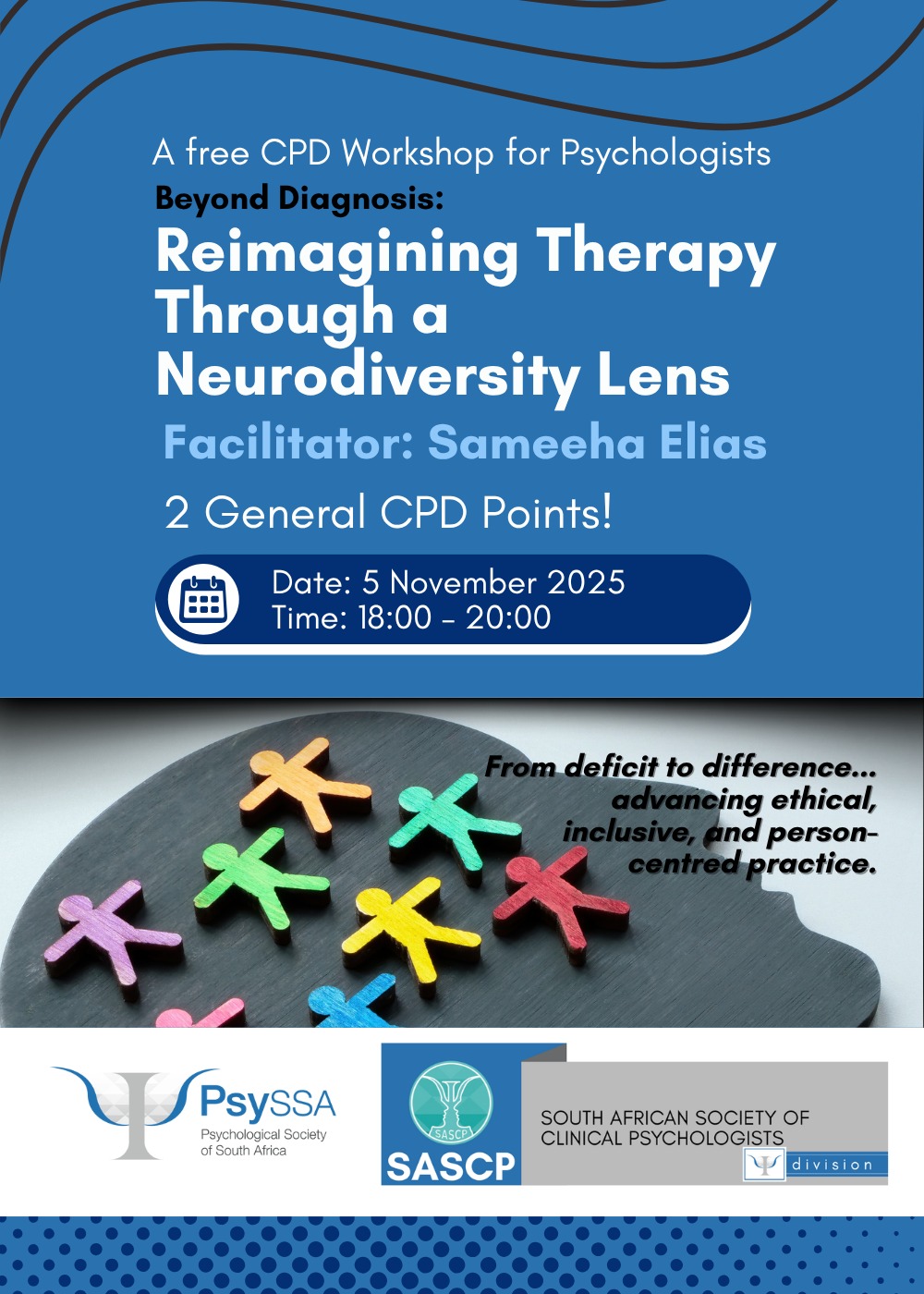
Beyond Diagnosis: Reimagining Therapy Through a Neurodiversity Lens

A free CPD webinar for Psychologists

Hosted by the PsySSA The South African Society for Clinical Psychology (SASCP) Division


Webinar Details:

  • Date: Wednesday, 05 November 2025
  • Time: 18:00 – 20:00
  • Platform: Online via Zoom
  • 2 General CPD Points


About the Webinar:

This webinar introduces mental health practitioners to the foundational principles and clinical applications of Neurodiversity Affirming Therapy approach that challenges deficit-based and pathologizing frameworks in understanding neurodivergent individuals. Participants will explore the evolution of the neurodiversity paradigm, differentiating between the neurodiversity movement, the paradigm itself, and affirming therapeutic practices. The session will highlight the shift from a medical model rooted in normalisation and symptom reduction toward a strengths-based, empowerment-oriented framework that values neurological diversity as a natural part of human variation. Through discussion of common neurodivergent presentations such as emotional dysregulation, sensory sensitivities, and communication differences, the webinar will equip clinicians to better recognize and support neurodivergent clients within affirming and trauma-informed frameworks. The session also examines comorbid presentations including anxiety, depression, PTSD, and eating disorders, with specific attention to concepts such as autistic burnout and the overlap between trauma and neurodivergence.

Overview
This workshop offers psychologists an opportunity to engage with the emerging neurodiversity paradigm — a transformative shift in how we understand and work with diverse minds. Moving beyond traditional deficit-based models, the neurodiversity framework recognises that neurological differences such as autism, ADHD, dyslexia, dyspraxia, and others reflect natural variations in human cognition rather than disorders to be corrected.

Challenging psychologists to rethink long-held assumptions about normality and disorder. Rooted in the principles of neurodiversity, it explores how we can dismantle deficit-based narratives and create spaces where every client’s way of being is valid and valued. This session offers a critical, evidence-informed look at how adopting a neurodiversity-affirming stance can transform not only therapeutic relationships but the ethical landscape of mental health itself.”

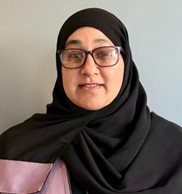
Sameeha Elias

Sameeha Elias

Presenter

Sameeha is a Counselling Psychologist in the southern suburbs of Cape Town.  She consults with children aged 5+, adults and families from diverse backgrounds. She has a special interest in neurodiversity, particularly neurodivergent affirming therapy with kids and adults, and runs workshops training practitioners in this approach. She is also a research supervisor at SACAP and a Guest lecturer at Stellenbosch University for student psychologists in the Child and Family Interventions module.

“Building Resilience in South Africa” – The South African Society for Clinical Psychology (SASCP)

“Building Resilience in South Africa” – The South African Society for Clinical Psychology (SASCP)

The South African Society for Clinical Psychology (SASCP) reminds us that mental health is not a luxury — it is the foundation for thriving individuals and communities. Let’s break the stigma, build resilience, and create a South Africa where psychological well-being is a shared priority. Read the full reflection from SASCP below:

“Building Resilience in South Africa”

The South African Society for Clinical Psychology (SASCP) – Barry Viljoen

Every year on 10 October, World Mental Health Day reminds us of the urgent need to prioritise psychological well-being. In South Africa, this call is especially critical. Our nation faces the intersecting burdens of poverty, trauma, violence, unemployment, and health inequities—factors that heighten vulnerability to mental health difficulties. Yet, amidst these risks, South Africans also display remarkable resilience and adaptability.

The SASCP recognises both the adversities and strengths that our citizens within our communities are faced with on a daily basis. Our members, based in hospitals, clinics and in private practise, in working daily with survivors of trauma, people living with the effects of brain injury, and living with various emotional and psychological conditions, to mentoring young professionals, recognise one truth that stands out: mental health is not a luxury. It is the foundation upon which individuals, families, and societies thrive.

Too often, however, stigma prevents people from seeking help. This is where awareness and education play a powerful role. By recognising early signs of distress—sleep disruption, fearfulness, withdrawal, or memory difficulties—and encouraging supportive interventions, we can prevent suffering from escalating into long-term impairment.

World Mental Health Day is not only about highlighting need; it is also about fostering hope. South Africa has the talent, knowledge, and compassion to strengthen systems of care. Schools, workplaces, and health institutions can all integrate practical, culturally relevant approaches that build resilience and promote recovery.

This year, let us commit to conversations that normalise mental health, to services that are accessible, and to policies that protect the vulnerable. Together, we can transform awareness into action and build a healthier, more resilient South Africa.

Men’s Health Month 2025

Men’s Health Month 2025

Men’s Health Month 2025

Read our submissions from The DRM, SASCP and the AI Division!

As we mark Men’s Mental Health Month this June, the Division for Research and Methodology (DRM) of PsySSA reflects critically on the evolving discourse around men’s psychological well-being in South Africa. Despite growing awareness, men remain significantly underrepresented in mental health service use, often constrained by dominant ideals of masculinity that equate vulnerability with weakness.

In this short video and companion article, Executive Committee member Omphile Rammopo offers a timely and thought-provoking exploration into how mental health support for men can move beyond awareness toward action. Drawing from clinical insight, personal observation, and grounded local research, Rammopo challenges us to rethink therapeutic approaches that may inadvertently alienate men—and invites us to consider new, culturally relevant, strength-based frameworks.

Produced in collaboration with the DRM, this offering is both a call to reflection and a catalyst for transformation. As psychologists, researchers, and mental health advocates, we are urged not only to ask “Where to from here?”—but to act decisively in shaping support systems that resonate with the lived experiences of men across our diverse society.

#MensMentalHealthMonth #PsySSA #DRM #MentalHealthMatters #MasculinitiesInContext #PsychologyForSocialJustice

Men’s Mental Health Month 2025

By Sibusiso Vilakazi and Barry Viljoen

The month of June is dedicated to the awareness of Men’s Mental Health. The goal of which is to shine a light on and raise awareness regarding the unique mental health challenges faced by men. While there has been positive change in this regard, many men still continue to struggle in silence. One of the reasons for this could be as a result of societal expectations and the subsequent sigma, both internally and externally regarding the expression of vulnerability.

We know that statistically men are less likely to seek mental health support, which can and sadly often does lead to serious consequences. One such example being the higher suicide rates by men. It is hope that by giving a platform to these topics that friends, families, and communities will be encouraged to create safe spaces which are free of judgment and scrutiny. Reminding us that seeking help is a sign of strength and not that of weakness. Once again demonstrating that mental health is as important as that of physical health.

In this month we hope to break barriers by encouraging open conversations, which promote mental wellness and support those seeking the assistance required. In so doing we have collaborated with Sibusiso Vilakazi to share with us some of the work which he and his organisation are doing, to achieve these goals.

Brother’s Keeper SA (BKSA) is a men-only non-profit and registered organisation. BKSA serves as a support network and structure for men. It was established premised on the realisation that men do not have platforms through which they can be vulnerable and express their feelings and challenges. Unemployment, underemployment and a myriad of societal issues continue to beset men, resulting in psycho-emotional conditions such as stress, depression and, in extreme cases, suicide, substance abuse and propensity to criminal behaviour and detainment. In a world that prioritises and advances the rights and developmental needs of other members of society, little focus is devoted to the needs and a plethora of challenges that confronting men daily in South Africa. The number of men who are apprehended continue to rise, although it is understood that multiple factors account for this. BKSA loathes the acts of men who harm women.

BKSA came into existence at the height of the Covid-19 pandemic; at a time when greater support was needed, as the effects of pandemic were felt throughout the world. It was during this time when some men lost their jobs and some lost their spouses due to Covid-19.  It exists as a mechanism for providing a support network and structure for men to freely express their frustrations, challenges and needs in a space that is welcoming and free of prejudice and judgement.

BKSA hosts virtual support sessions monthly on Thursdays. Topics covered include social and emotional support, mental health, family issues, career development, financial health and physical health and fitness. Since its establishment, the organisation has developed an ongoing good relationship with practitioners and professionals across various fields. Ultimately, the organisation seeks to establish a formalised partnership with this network of professionals to enable sustainability of interventions and structured support services such as counselling, mentoring and coaching. Equally important, the organisation will partner with like-minded organisations whose mandates are geared towards development of men. It is through partnership that the organisation will be able to expand and widen its reach throughout the country.

BKSA observes local and international campaigns. The ultimate aim is to create a community of men who will be responsible, caring and able to be receptive to help and support. Men who participate in BKSA learn about how to be responsible in their communities, families and workplaces and responsive to the needs of their communities. There’s a sense of brotherhood and collective responsibility that is engendered through participation in BKSA.

In terms of how we operationalise our services, we identify men-related issues and:

  1. Raise awareness by running and supporting campaigns
  2. Referral to professional services and support
  • Targeted support, such as one-on-one intervention (mentorship)
  1. Community presentations
  2. Recreational activities

While our organisation has experienced a gradual increase in numbers, we intend to continually diversify our approach to topical issues and interventionary strategies. Whether participants are dealing with relationship issues, financial difficulties and mental health concerns or require any other form of support, our team is readily available to support them. While we maintain that we do not offer clinical, therapeutic or medical diagnosis or intervention, our platform exposes participants to qualified and seasoned experts in the various spheres of counsel and guidance to ensure appropriate approaches to healing.

The vision of the organisation ideates the creation of a safe, supportive and holistic community that encourages a culture of expressive, emotionally conscious and self-aware men as they navigate their lived experiences in an ever-changing world. To produce men who are psycho-emotionally healthy and resilient. We seek to build a transformational space for men and encourage authenticity and accountable men who contribute positively to a healthier society.

Men’s Health Month 2025: Listening Beyond the Silence
By Dr Ewald Crause
For the Psychological Society of South Africa

June is Men’s Health Month. But for many men in South Africa, health remains something unspoken. Not due to a lack of problems, but because speaking comes at a cost. In too many homes, clinics, and counselling rooms, silence has become the strategy. And for many men, silence is safer than honesty.

This year’s theme, “Check In, Not Out”, calls for early intervention and preventative care. It is a message that needs to land differently here. Because in the South African context, men are not simply failing to check in with doctors or therapists. They’re also checking out of themselves, their families, and for some, even their futures.

As psychology practitioners and academics, we observe it in statistics and sense it in the absences and silences. The man who doesn’t return for a second session. The father who disappears from the school meeting. The young adult whose first appointment only comes after an attempt. For too many, help arrives too late.

Behind these moments are pressures that psychology professionals know well. High rates of unemployment. Cycles of intergenerational trauma. The burden of being the provider, even when there is nothing left to give. Social scripts that still reward men for being silent, stoic, and self-contained…until they break.

In practice, male clients often arrive not because they chose therapy, but because someone else did. A partner insisted. A boss threatened. A court ordered. When they do arrive, they rarely use clinical language. They don’t say “anxiety” or “depression.” They talk about pressure. Sleeplessness. Losing control. Being “off.” These are not just linguistic differences. They are warnings. If we are not listening closely, we miss the distress altogether.

To work effectively with men, our role is not to convince them to talk. It is to ensure that when they do, they are heard without judgment, interruption, or interpretation. That our language doesn’t assume help-seeking is familiar or safe. That we acknowledge the resistance without reinforcing it.

Intervention needs to be practical, not idealistic. Most men are not looking for long-term therapy. They are looking for something that works. Brief interventions, solution-focused conversations, peer models, role clarity, and support that aligns with their roles as workers, fathers, sons, or leaders. Respect matters. So does structure. So does knowing when to step back and refer.

But this is not only about individual therapy. It is about the systems in which we operate. Access to care is uneven. Services in rural and peri-urban areas remain difficult to reach. Long waiting lists in the public sector often mean that prevention becomes impossible. For many men, especially working-class men, there is no clear path between noticing that something is wrong and receiving the support to address it. That space between is where we lose them.

This month must not be reduced to awareness slogans. The work is not about getting men to speak. It is about creating spaces where they do not have to defend their pain. It is about reducing the threshold for help. About making support a familiar part of life, not a crisis response. About including men in the broader mental health conversation without assuming they already know the terms of engagement.

To the men reading this: this month is not a campaign. It is a reminder that your life matters. That survival is not the only goal. That checking in is a strength, not a liability. That you are not meant to carry everything alone.

To the psychology professionals reading this: we can change the trajectory. To create systems, practices, and messages that speak to men without demanding that they first speak like us. That is the challenge. That is the opportunity.

Let’s meet men where there are, not where society expects them to be. And not just in June, but in the work we do every day.

World Bipolar Day – 30 March 2025

World Bipolar Day – 30 March 2025

World Bipolar Day: Understanding Bipolar Disorder and Reintegration into Community in South Africa

By Barry Viljoen and Samke Ngcobo
 
Bipolar is a mood disorder which is characterised by clear and distinct periods of mood found on alternative poles of the mood spectrum. This means that there will be periods when a clear and visible depressed mood is present and that there will be periods of an elevated mood either being a manic or hypomanic episode. While these periods can vary in intensity, it can result in significant disruptions in daily life. 
The World Health Organisation currently estimates that 1 in 150 adults live with this disorder, equalling to approximate 40 million people. While within South Africa it is estimated that 3-4% of the population experience this disorder, with it equally affecting men and women. 
 
On this day we attempt to raise awareness about the importance of a greater understanding of bipolar, so that earlier diagnosis and treatment can be accessed by all South Africans. People living with bipolar are discouragingly being subjected to societal challenges, such as exclusion and discrimination. However, the hope is that with public education and awareness campaigns, that the tide will turn. Which will in turn allow for access to adequate treatment and support systems. So that they are able to reclaim their place within society and our communities, through the living of meaningful and fulfilling lives and making meaningful contributions to society. 
Bipolar cuts across race, class and other demographic divides. As such it is only through the embrace of a more inclusive mindset, that we can create an environment that fosters, healing, connection and opportunity for all. Steps towards achieving this goal are being paved by brave and outspoken activists, and in this specific piece the personal activist, Dr. Samke Ngcobo, that we as South Africans can challenge the stigma related to and foster open dialogues about mental health. 
I am Dr Samke Ngcobo, a medical doctor who has been navigating bipolar disorder type 1 since the early age of 14. 2025 marks 24 years of me living with this disorder and I can safely say that I am not suffering from this condition but I am thriving despite it. I have often sensed an unspoken and subtle conditioning that comes with the role of being a doctor that prohibits vulnerability and struggles. Part of my purpose of founding www.vocalmentality.com was to amplify the voice of the lived experience narrative and also to share practical insights from a professional perspective as someone who has worked in mental healthcare services. My dual perspective is my secret weapon because I choose to use it as my source of empowerment. As a doctor who has had professional exposure to interventions which provide support to mental healthcare users who live with bipolar disorder, I have been cognisant to apply the recommendations that are applicable to managing this illness. As an individual with lived experience with bipolar disorder, I believe that psycho-education has dissipated my denial and lack of insight. This happened when I finally encountered a psychiatrist and psychologist who enabled me to understand my illness comprehensively through psycho-education as their patient while embracing me as someone who is critical to the multidisciplinary team. They were and remain empathetic and are very patient with me even when I feel that I have failed myself through a relapse or the consequences thereof. 
◦Psychological support in the form of psychotherapy is part of the bedrock for my sustained mental wellbeing. My weekly Tuesday appointments with my psychologist are sacred to me. They serve as a mirror for me to face myself. At times I look forward to seeing my reflection and other times I dread it. I cannot adequately articulate how critical this intervention has been with my life. This year marks my eighth year with the same therapist who provides psychoanalytic psychotherapy. The term sounds complicated but simply put, this form of therapy has halted the vicious cycle of recurrent relapses related to my bipolar diagnosis. The intoxicating quality of being manic is no longer attractive and its consequences are not worth the short-term appeal of escapism.
 
◦Stigma comes in various forms and is motivated by various beliefs but I believe that the most difficult form stigma to process is self-stigma because of the shame attached to it, that follows like a dark cloud. I learned very early on in my illness that my condition is something that should exist in hushed conditions of secrecy and was to be hidden at all costs. This was due to the comments by people who did not know that I was diagnosed with the condition. The stereotypes of how people living with the condition look and present felt foreign to me and so I went through a painful path of denial due to lack of insight. 
◦When I overcame the self-stigma, the other types of stigma ceased to matter. Many people wonder how I overcame the self-stigma and my reasons are layered and multifaceted. Sadly, my main source of emancipation was birthed five years ago after I experienced a public bipolar episode that led to reputation damage and humiliation that left me bare in my vulnerability. 
◦A tangible reminder of the possible debilitating consequences of my illness, was the resultant cognitive impairment that was caused by the severity of my relapse. This led to 6 months of incapacity leave and an extensive rehabilitation programme with my occupational therapist which was complimented by my regular follow ups with my psychiatrist and psychologist.
◦The repercussions of an episode are undermining and the related trauma is underestimated 
◦The financial cost of maintaining sustained mental health needs to be addressed because the financial burden of it can led to impaired management of the illness. The pharmacological interventions are expensive with limited support from medical aids. The impact of the side effects needs to be considered as this may potentially lead to non-adherence if communication with the healthcare provider is poor. I recently changed my treatment regimen but unfortunately there are unwanted side effects. I know better than earlier on in my illness that I am not my own doctor but I should consult my psychiatrist to adjust my treatment.
◦My secret weapons: early intervention improves prognosis, psycho-education is critical, my mental health toolkit, disability is preventable and possible to recover from if the right support is in place.
◦Feeling like a I play an integral role in the management of my illness holds me accountable and helps me to feel empowered as opposed to being a victim.
◦We have a long way to go in breaking the stigma related to bipolar disorder but confronting it through psycho-education from people who are thriving with lived experience with the condition is a powerful tool of mental health advocacy.
 
It is through lived accounts that we humanise conditions seeing them not as definitive and defining but rather people living with a condition. As we mark this day, let us remember that mental health is just as important as physical health. Understanding and compassion are essential for the reintegration and well-being of those living with bipolar disorder, allowing them to thrive within their communities.

World Bipolar Day

Health Psychology Division

Today, on World Bipolar Day, we recognise and acknowledge the strength and resilience of people living with bipolar disorder. The experience of bipolar disorder can significantly affect a person’s sense of reality, sense of self, and can impact their relationships, employment, self-esteem, and physical health. For some, navigating life with bipolar disorder can be a strenuous and isolating journey, highlighting the need for recognition, support, and understanding.

Bipolar disorder is a chronic condition, however, with the correct treatment, people can become aware of their symptoms, manage them, and experience a fulfilling life. People living with bipolar disorder must learn about their triggers, as these can, in turn, initiate mood episodes. Some of the most common triggers include (but are not limited to) stress, conflict with others, lack of sleep, significant loss, seasonal changes, and substance use. The treatment for bipolar disorder includes medication, psychotherapy and lifestyle changes and can aid in fostering a sense of agency and control. Empowering people living with bipolar disorder to take control of their condition may enhance both treatment adherence and a sense of self-efficacy, ultimately contributing to improved well-being.

Nevertheless, it is important to recognize that, despite empowerment efforts, people with bipolar disorder may encounter stigma from their families, communities, healthcare systems, and society. This stigma can lead to barriers in accessing appropriate healthcare and receiving the necessary support. In addition, media representations of bipolar disorder contribute to misconceptions, influencing how people treat and interact with those affected by the condition. The lack of education and understanding about bipolar disorder can negatively affect the empathy and care shown towards those living with the condition. Addressing these misconceptions is important to encourage support and understanding for people living with bipolar disorder.

Equally important is adherence to treatment, which is essential for effective management. There are several strategies beneficial for individuals living with bipolar disorder, including the following:

  • Following the prescribed treatment regimen
  • Adhering to medical and psychotherapy appointments
  • Engaging in psychoeducation about the bipolar diagnosis and the symptoms
  • Creating a consistent and healthy sleep schedule
  • Learning relaxation and emotion-regulation techniques with the help of a psychologist
  • Identifying and limiting exposure to stressful situations
  • Avoiding alcohol and illicit substances and limiting (or avoiding) caffeine
  • Consulting a healthcare professional about any prescription or over the counter medication before taking them in conjunction with treatment for bipolar disorder
  • Establishing a healthy lifestyle by exercising and eating healthy
  • Monitoring symptoms by creating a journal that keeps track of mood, and symptoms
  • Informing a healthcare professional when changes occur in relation to mood and behavioural patterns.
  • Asking for support from family, friends or persons who feel trustworthy
  • Spending time with loved ones or joining a support group

To the people living with bipolar disorder

We stand in solidarity with you. While navigating life with bipolar disorder can present many challenges, always remember that your diagnosis does not define your identity. You are valued and your experiences matter.


World Cancer Day: 4 February 2025

World Cancer Day: 4 February 2025

PsySSA commemorates World Cancer Day with the theme: United By Unique

Today the world commemorates World Cancer Day, a global initiative led by the Union for International Cancer Control (UICC). The theme for this year is “United by Unique”, which calls for patient-centered care. World Cancer Day serves as a reminder of the ongoing battle against cancer and the urgent need to address this pressing public health issue. For South Africans, this day is particularly significant as cancer remains one of the leading causes of death in the country. This year, the theme is “Close the Care Gap,” urging communities, governments, and individuals to work together in creating equitable access to cancer prevention, detection, treatment, and care.
Cancer has a tremendous impact not only on those diagnosed with the disease, but their families, friends, colleagues and communities.

Cancer is a growing concern in South Africa. The National Cancer Registry estimates that there are approximately 100,000 new cancer cases reported annually. The most common types of cancer affecting South Africans include breast cancer, cervical cancer, prostate cancer, and lung cancer. The fight against cancer in South Africa hampered by socioeconomic disparities, limited healthcare infrastructure, and a lack of awareness about cancer prevention and early detection contribute to late diagnoses and poor outcomes.

As a professional body for psychologists, PsySSA recognizes the psychological impact of cancer within our communities. Several researchers in South Africa have published psychosocial studies regarding cancer. Below are links to some of this research:
  • Purdy and Roomaney explored fertility preservation among female patients with cancer: https://journals.sagepub.com/doi/full/10.1177/00812463231191437
  • Gallagher-Squires and colleagues explored how women with breast cancer coped during their treatment https://journals.sagepub.com/doi/abs/10.1177/0081246320961761
  • Odendaal and colleagues explored the experiences of informal caregivers of patients with cervical cancer during Covid-19
    https://www.sajgo.co.za/index.php/sajgo/article/view/399

What Can You Do?
Every South African has a role to play in the fight against cancer. Here are some actionable steps:
1. Get Screened: Regular screening can lead to early detection, significantly improving treatment outcomes. Visit your local clinic or healthcare provider to learn about available screening options.
2. Adopt a Healthy Lifestyle: Reduce your risk by avoiding tobacco and alcohol, eating a balanced diet, and staying physically active.
3. Support Cancer Initiatives: Donate to or volunteer with local organizations to help fund research and community outreach programs.
4. Spread Awareness: Use your voice to educate friends and family about the importance of early detection and prevention. Encourage others to get screening if they mention any concerns to you.

A cancer diagnosis, while primarily a medical condition, triggers profound psychological responses that reverberate through various aspects of an individual’s life. The initial shock and fear of mortality that accompany a cancer diagnosis can cascade into a range of emotional and psychological effects, any of which persist long after the diagnosis itself.

Shock and Denial: Initially, many individuals experience a sense of disbelief. The reality of having cancer is often too overwhelming to accept immediately, leading to feelings of numbness or detachment. Denial can serve as a defence mechanism, helping individuals temporarily distance themselves from the severity of their condition.

Anxiety and Fear: One of the most immediate and common psychological effects of a cancer diagnosis is anxiety. Fear about the future, including concerns about treatment outcomes, the potential for recurrence, and the impact on family and personal life, can cause significant distress. The uncertainty about the course of the disease often exacerbates these feelings, contributing to a heightened state of worry and fear.

Identity and Body Image: A cancer diagnosis often challenges an individual’s sense of self, especially when treatments such as surgery, chemotherapy, or radiation affect their physical appearance
or functioning. Changes in body image, such as hair loss, scars, or altered physical abilities, can lead to a loss of self-esteem or self-worth. This can be particularly difficult for those whose identities are closely tied to their physical appearance or sense of vitality.

Depression and Grief: The emotional toll of cancer can lead to depression and grief, not only over the diagnosis itself but also over the anticipated loss of health, lifestyle, and even the prospect of
one’s future. These emotions may be compounded by feelings of isolation, as individuals may find it difficult to relate to others who haven’t had similar experiences.

Impact on Relationships: The ripple effects of a cancer diagnosis extend beyond the individual to family, friends, and partners. Loved ones often experience anxiety, sadness, and helplessness, which can strain relationships. Partners may take on caregiving roles that disrupt the emotional and practical balance of the relationship, leading to feelings of frustration or exhaustion. In some cases,
individuals may feel emotionally disconnected or misunderstood by others, particularly if they have trouble articulating their emotional experiences.

Post-Traumatic Growth: While a cancer diagnosis is undoubtedly distressing, some individuals may also experience positive psychological changes as a result of their journey. This concept, known as post-traumatic growth, refers to the potential for individuals to gain new perspectives on life, develop a greater sense of resilience, or rediscover personal strengths in the wake of their illness. In some cases, the diagnosis may lead to reevaluating personal priorities, fostering deeper connections with others, or a greater appreciation for life.

In summary, a cancer diagnosis doesn’t just impact an individual’s physical health—it sends ripples through their emotional and psychological world. The effects can be complex and multifaceted, with
anxiety, depression, and changes in identity often accompanying the diagnosis. However, with proper psychological support and a strong social network, individuals can navigate these challenges and, in some cases, emerge with a renewed sense of meaning and strength.