PsySSA Commemorates World Day for Safety and Health at Work

PsySSA Commemorates World Day for Safety and Health at Work

PsySSA Commemorates World Day for Safety and Health at Work


Today, PsySSA joins the global community in recognising the importance of creating safe, healthy, and dignified working environments for all.

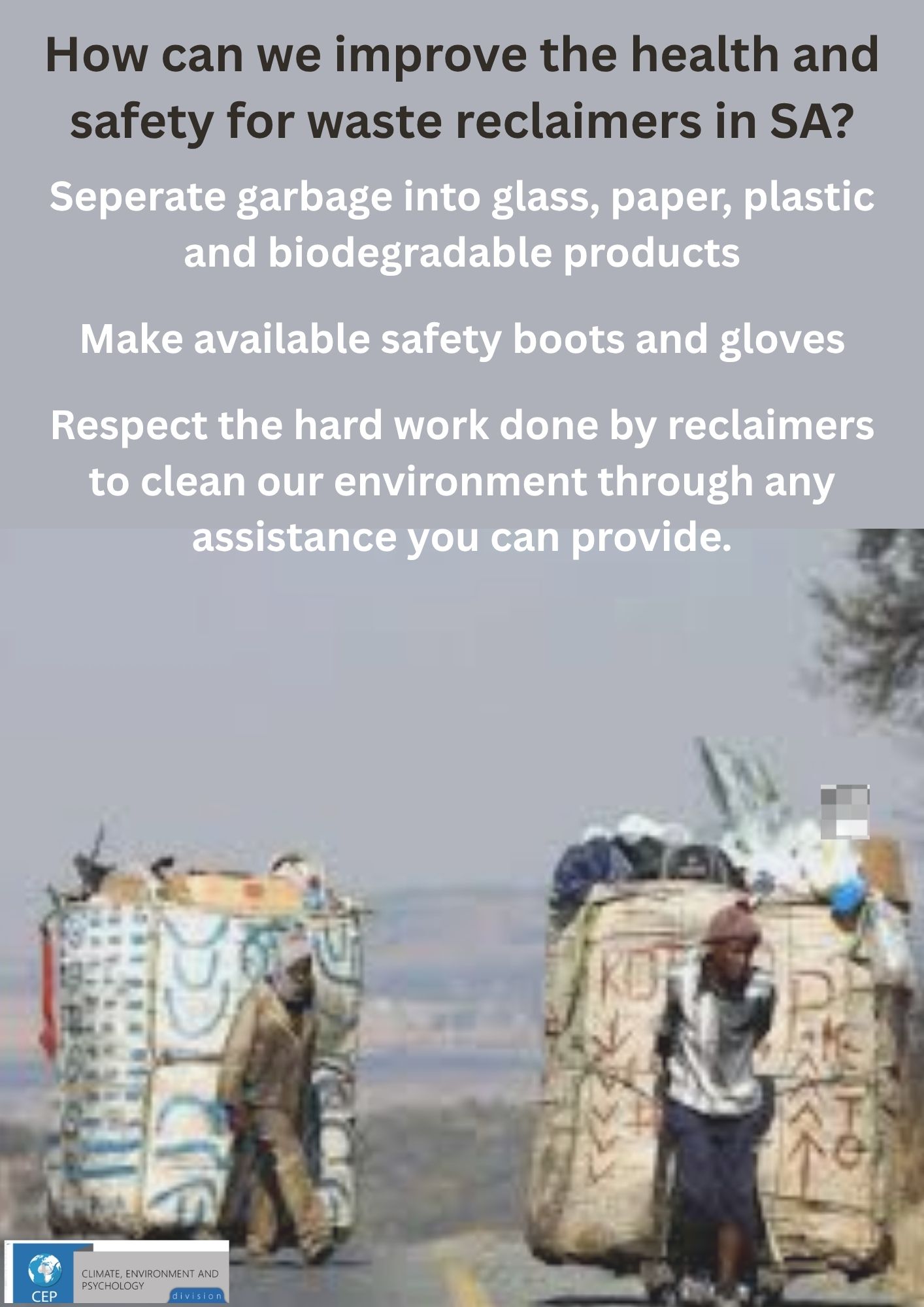
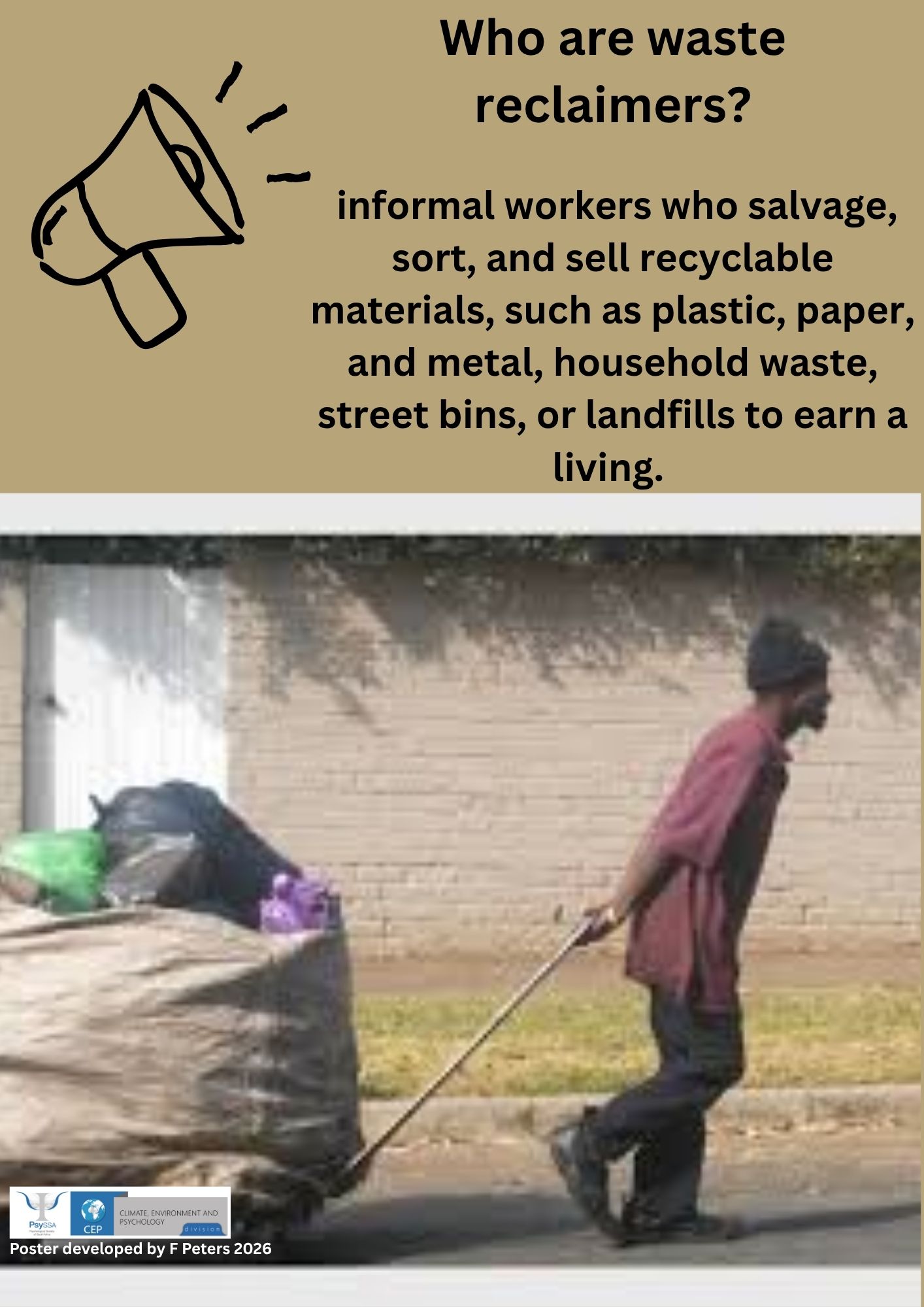
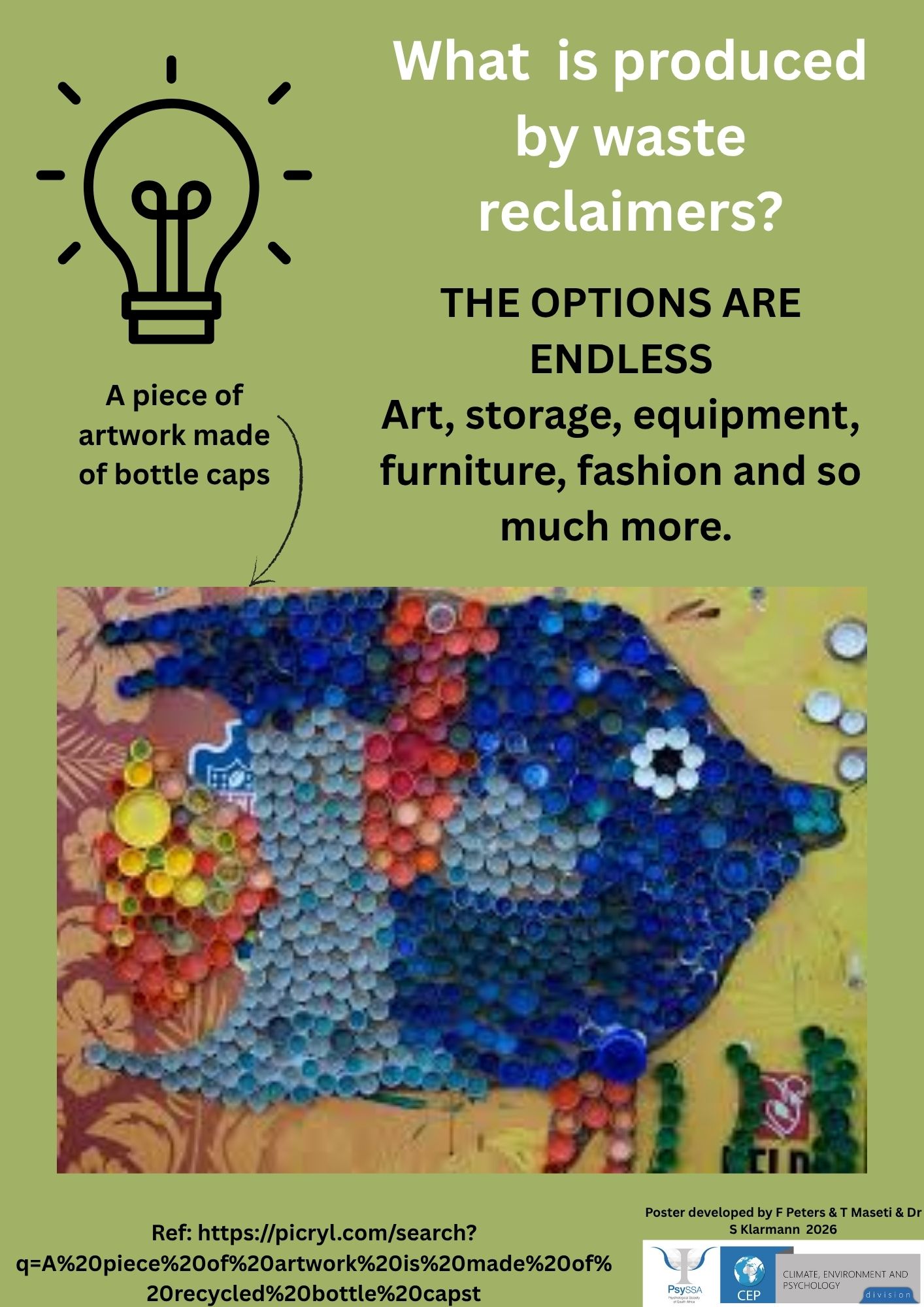
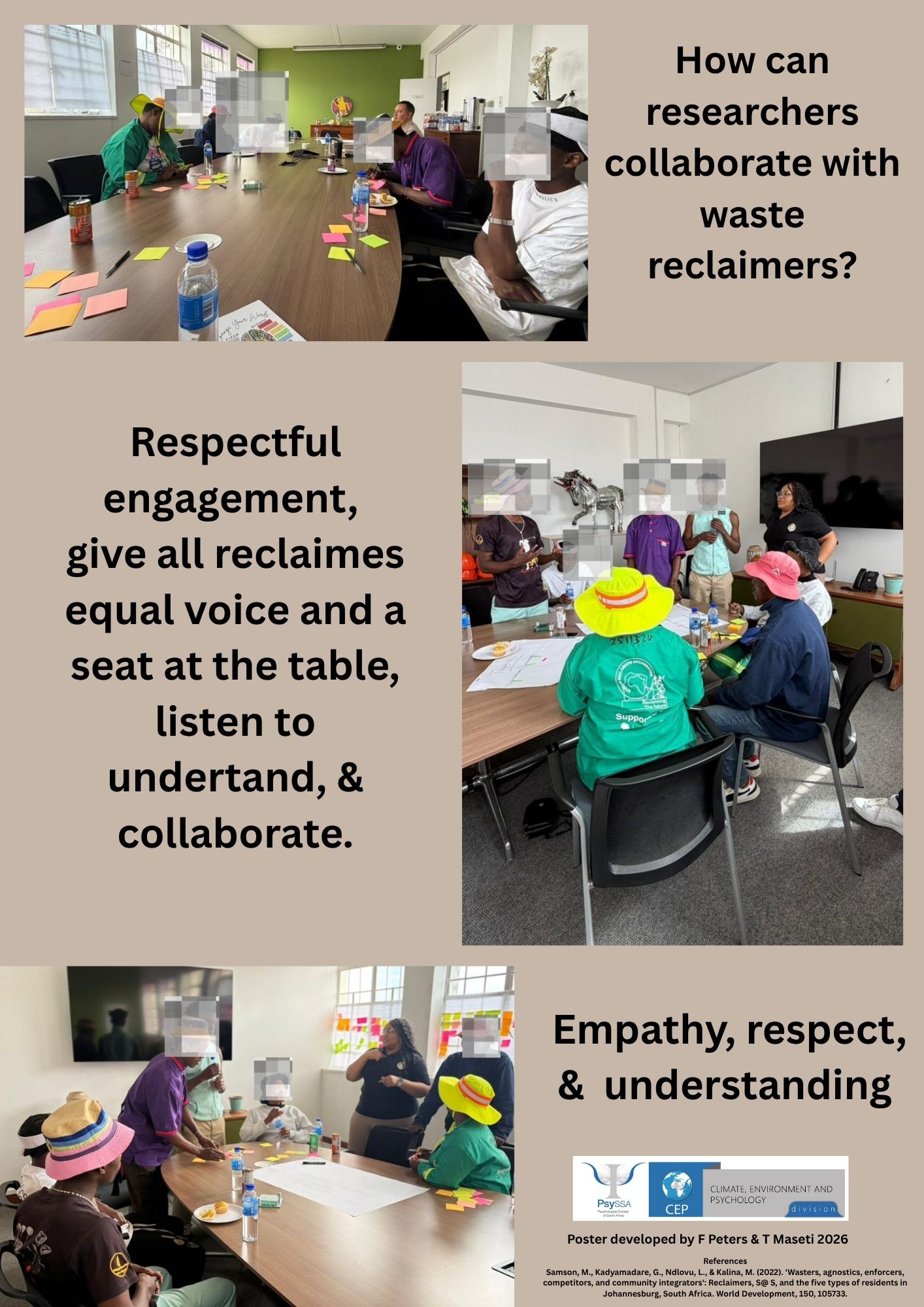
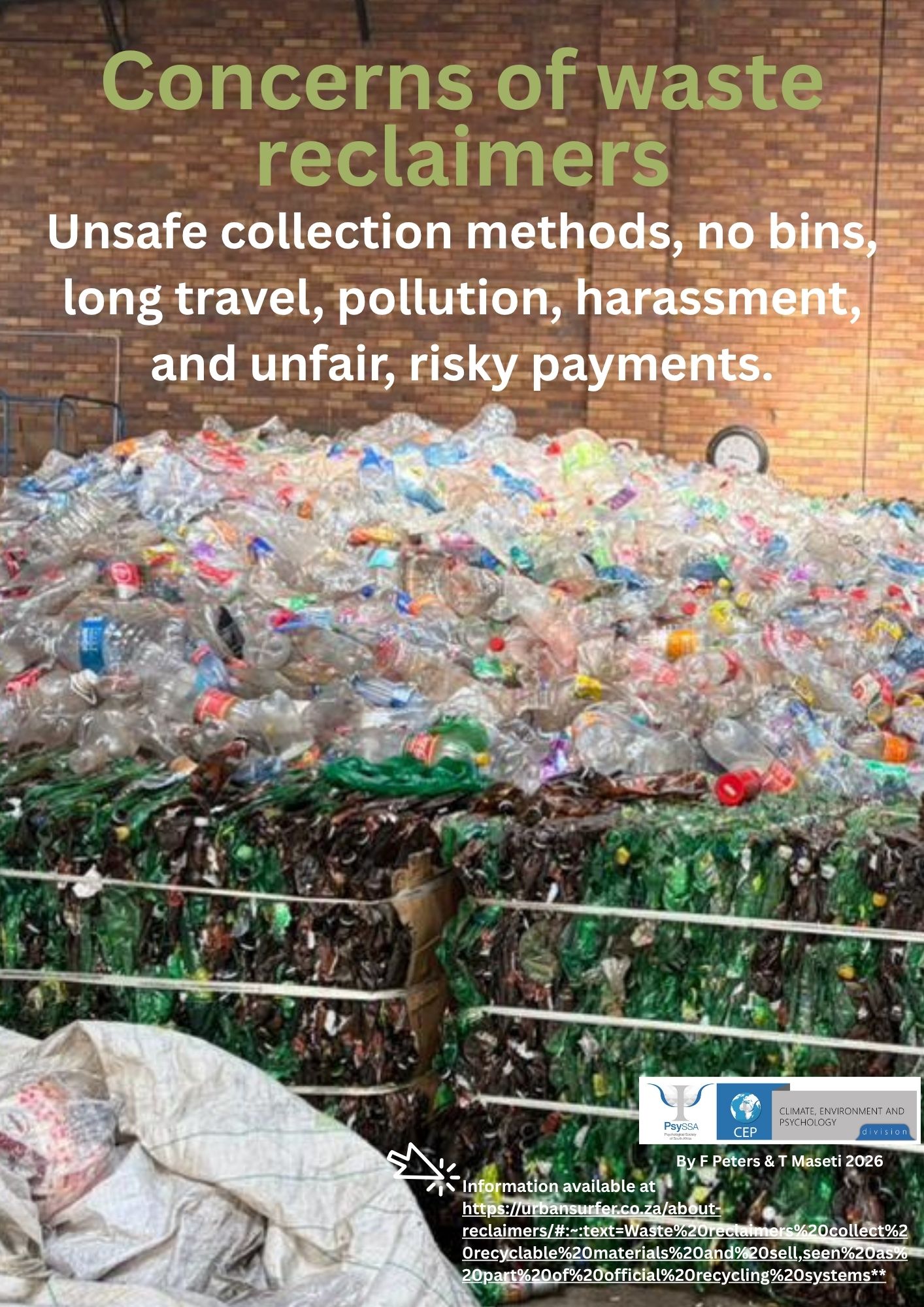
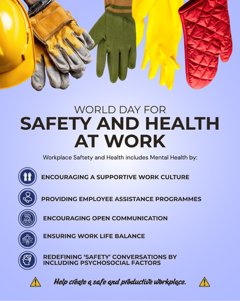
Through contributions from our Climate, Environment and Psychology Division (CEPD) and Health Psychology Division (HPD), we highlight both the lived realities of waste reclaimers in South Africa and broader approaches to promoting safety and wellbeing in the workplace. The CEPD visuals foreground the critical yet often overlooked conditions faced by waste reclaimers, while the HPD contribution (featured in the final graphic) emphasises the importance of supportive work cultures, communication, and psychosocial wellbeing.

Safety and health at work extend beyond formal employment spaces. They include the right to protection, respect, fair conditions, and access to supportive systems for all workers — including those in informal sectors.

As psychology professionals, we are called to promote wellbeing by advocating for inclusive policies, fostering supportive work cultures, and recognising the structural factors that shape health and safety outcomes.

Let us continue to centre dignity, equity, and social justice in how we understand and respond to work and wellbeing.

Health Psychology Podcast: Recognising the Role and Importance of Palliative Care

Health Psychology Podcast: Recognising the Role and Importance of Palliative Care

EPISODE 31

Health Psychology Division Podcasts


I

Part 1: Health Psychology Podcast: Recognising the Role and Importance of Palliative Care

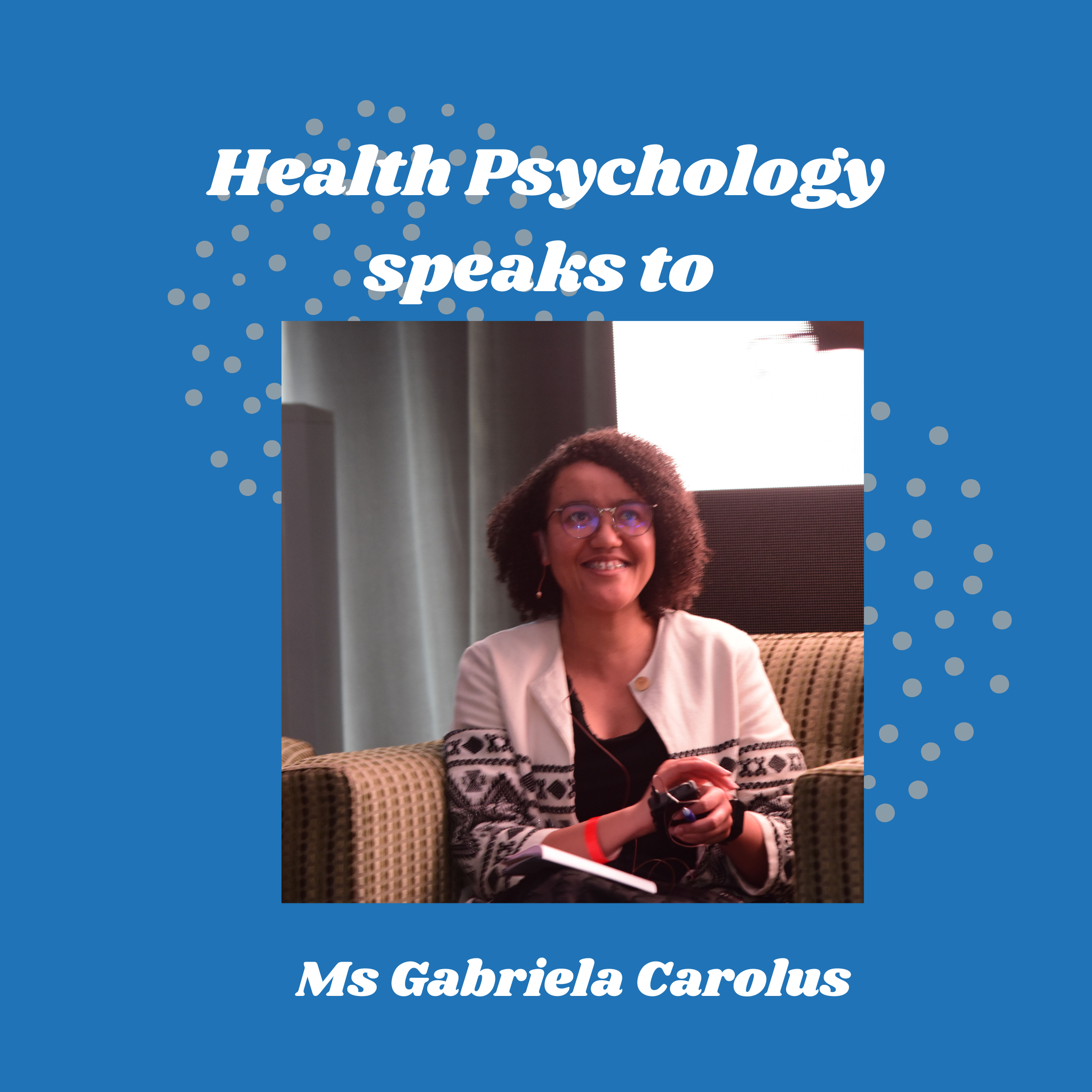
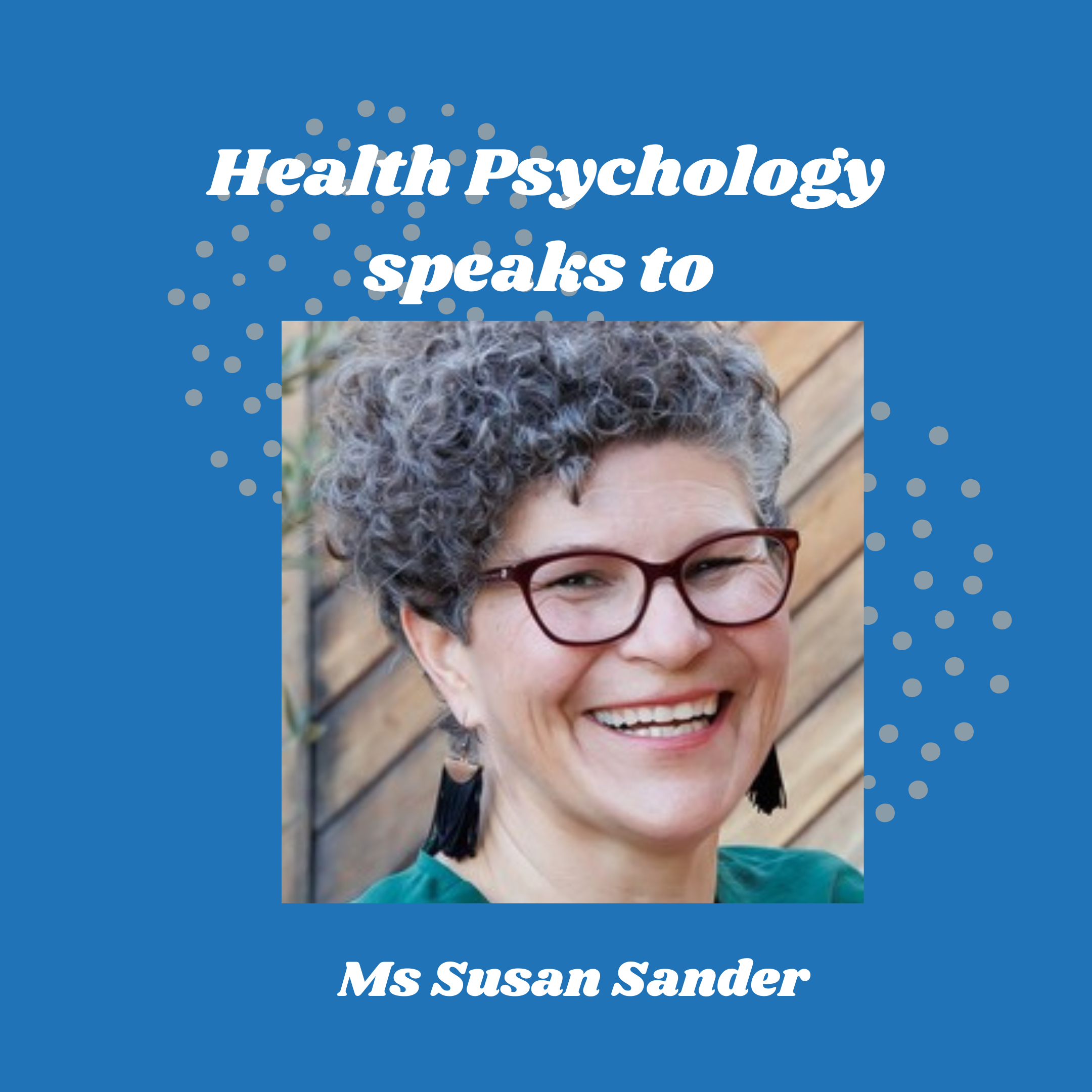
by Ms Susan Sander | Part 1

Part 2: Health Psychology Podcast: Recognising the Role and Importance of Palliative Care

by Ms Susan Sander | Part 2

Ms Sander is a registered counsellor in private practice, with a keen interest in the connection between physical and mental health. She works in both public and private sectors as part of two multidisciplinary palliative care teams in Stellenbosch and at Tygerberg Hospital. Through her work, Ms Sander has developed extensive experience and a deep understanding of the importance of accessible mental health support for individuals and their families facing life-limiting or life-threatening conditions.
PsySSA Commemorates Bipolar Day – 30 March 2026

PsySSA Commemorates Bipolar Day – 30 March 2026

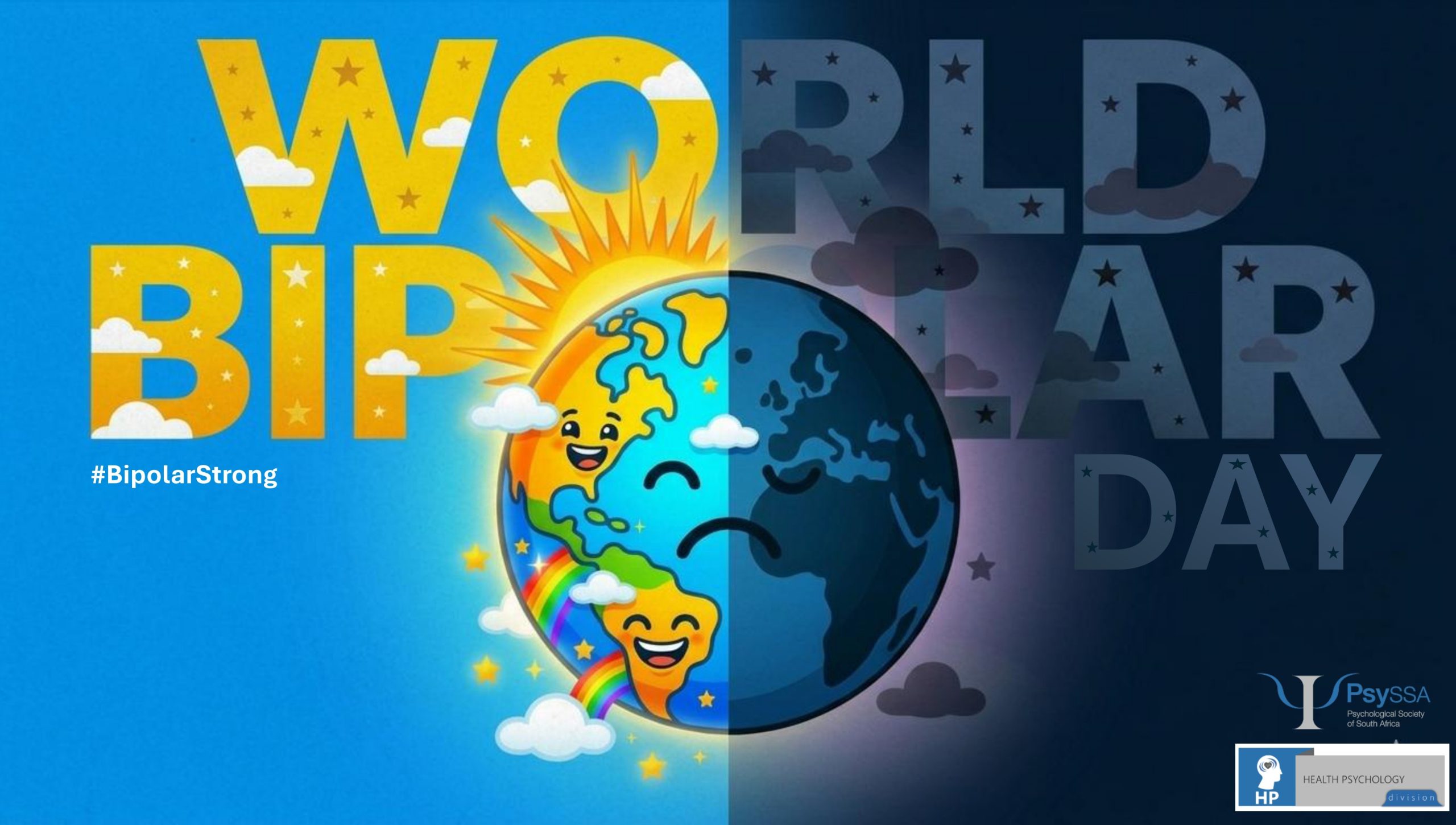
World Bipolar Day 2026 – “Bipolar Strong”


Today, PsySSA joins the global community in commemorating World Bipolar Day under the theme “Bipolar Strong.”

Living with bipolar disorder is not a weakness – it is a journey of resilience, courage, and ongoing navigation of complex emotional, cognitive, and social realities. While often misunderstood as simple “mood swings,” bipolar disorder is a serious condition involving profound shifts in energy, sleep, and emotional regulation that can deeply affect daily life.

This year, contributions from PsySSA’s Health Psychology Division (HPD) and Decolonising Psychology Division (DPD) invite us to deepen how we think about mental health.

This World Bipolar Day, we call on all sectors of society to:

  • Challenge stigma
  • Strengthen systems of care
  • Centre lived experiences
  • Advance equitable and accessible mental health support


Bipolar Disorder and Mental Health Justice: A Decolonial Reflection for World Bipolar Day
By: Kim Gabriel-Dixon

This reflection explores bipolar disorder through a decolonial lens, inviting a broader understanding of mental health that recognises the social conditions, relationships, and structural realities shaping people’s lives. It encourages compassionate awareness while highlighting the importance of dignity, justice, and community care in supporting those living with bipolar disorder.


Today we commemorate World Bipolar Day under the theme: “BIPOLAR STRONG”

World Bipolar Day is a reminder that living with bipolar disorder is not a weakness, but a journey of resilience, strength, and courage. The theme ‘Bipolar Strong’ celebrates individuals who navigate the highs and lows while continuing to lead meaningful lives, challenge stigma, and advocate for better mental health support.

Every journey with bipolar disorder is different, shaped by personal, social, and structural factors. To transform mental health care, we must look beyond the diagnosis and see the person before the patient.

Here in South Africa, research continues to strengthen our understanding of bipolar disorder care by linking policy, clinical practice, and patient realities. They highlight the importance of effective medication management, multidisciplinary support, familial support, and national treatment guidelines in shaping care and realities for those living with bipolar disorder:

This World Bipolar Day, let us stand in solidarity, challenge stigma, and support those living with bipolar disorder.

Together, we are #BipolarStrong

HPD Webinar: Chronic Pain and Depression: Understanding the Connection

HPD Webinar: Chronic Pain and Depression: Understanding the Connection


HPD Webinar:


“Chronic Pain and Depression: Understanding the Connection”


About the webinar:

Chronic pain and depression are two of the most prevalent and disabling health conditions worldwide, often occurring together in a cycle that worsens both physical and mental well-being. This webinar will shine a light on the bidirectional relationship between pain and depression, showing how each condition amplifies the other and creates barriers to recovery, productivity, and quality of life.

Drawing on research with garment workers in Cape Town, as well as broader evidence from occupational health, we will explore practical strategies for rehabilitation, mental health promotion, and workplace interventions that address both conditions simultaneously. By combining clinical insights with lived realities, the webinar aims to make complex research accessible, while offering practical approaches for health professionals, employers and health advocates seeking to break the cycle of suffering.

Webinar Details:

Date: 12 March 2026

Time: 13:00 – 14:00

1 General CPD Point

Online | Free

 
Learning Outcomes:
  • Gain a deeper understanding of the mechanisms linking chronic pain and depression.
  • Explore the impact of co-occurring pain and depression in marginalised workforces.
  • Learn about workplace-based rehabilitation strategies that address both physical and psychological dimensions of health.
  • Reflect on how interdisciplinary approaches can foster resilience, dignity, and improved outcomes for workers living with pain and depression.
  • Consider practical examples of interventions that integrate mental health promotion with pain management in resource-constrained environments.
Munira Hoosain

Munira Hoosain

Presenter

Munira Hoosain is a senior lecturer in the Division of Occupational Therapy at Stellenbosch University. She specialises in workplace-based rehabilitation, with a focus on garment workers experiencing chronic pain and depression. Munira has developed workplace rehabilitation services in Cape Town’s clothing factories, optimising collaboration across disciplines to improve outcomes for marginalised workers. Her work blends rigorous research with narrative advocacy, making policy and health interventions accessible and emotionally resonant.

Health Psychology Podcast: The effects of Vaping/E-cigarettes on One’s Health and Well-being

Health Psychology Podcast: The effects of Vaping/E-cigarettes on One’s Health and Well-being

EPISODE 30

HPD Podcasts


I

Health Psychology Podcast: The effects of Vaping/E-cigarettes on One’s Health and Well-being

by Dr Catherine Egbe

In this episode we speak to Dr Catherine Egbe, a registered research psychologist and public health scientist. She obtained a PhD in Psychology and Health Promotion from the University of KwaZulu-Natal (UKZN), Durban South Africa. She is an alumna of the Center for Tobacco Control Research and Education, University of California San Francisco, a World Health Organization collaborating center for tobacco control. Dr Egbe is a Fellow of the Society for Research on Nicotine and Tobacco (SRNT) and co-chairs SRNT’s Global Research Network. She has led several regional and national research studies including South Africa’s first Global Adult Tobacco Survey, tobacco endgame in Africa, and University students’ exposure to e-cigarette and hookah marketing and advertisement in South Africa. She has authored over 50 academic publications.

Dr Egbe currently works as a Senior Specialist Scientist in the Mental health, Alcohol, Substance use & Tobacco Research Unit of the South African Medical Research Council and an honorary Associate Professor in the School of Nursing and Public Health (Public Health Medicine), Faculty of Health Sciences, University of KwaZulu-Natal, Durban, South Africa.

In this podcast, Dr Egbe provides insight into her research on e-cigarettes and some of the misconceptions, and health-related consequences of e-cigarettes. She also briefly discussed the impact that e-cigarettes can have on one’s mental health.

World AIDS Day – 1 December 2025

World AIDS Day – 1 December 2025

World AIDS Day – 1 December 2025 

“Overcoming Disruption, Transforming the AIDS Response”

Today we honour the resilience of communities, practitioners, and health systems responding to HIV in the face of global funding cuts, service disruptions, and persistent inequities. As highlighted in contributions from our HPD and PiPS divisions, protecting the gains made in South Africa’s HIV response requires renewed commitment to both biomedical advances and psychosocial care.

We reflect on the continued psychological burden carried by people living with HIV, the impact of stigma and trauma, and the essential role of mental-health professionals in strengthening continuity of care, integrating mental-health screening, and championing trauma-informed, person-centred, and rights-based approaches.

This World AIDS Day, we stand with communities, researchers, and health workers who persist with dedication, empathy, and hope.

Read the PiPS and HPD contributions below:


Psychology in Public Service (PiPS) Division – Overcoming Disruption and Transforming the AIDS Response

On the first of December, we commemorate World AIDS Day, and this year in 2025, we actively reflect. Reflect on how we as communities, practitioners and even healthcare systems have adapted and continue to adapt and innovate, in the face of adversity and disruption. Our response to the HIV epidemic, has been one of the most ambitious in the world. However, this is not to say that it hasn’t been without challenges. This year the focus is on a renewed effort and sustainable commitments to revitalising not only our biomedical responses but also psychosocial interventions.

As psychologists working within the public service, we are reminded and attempt to remind all, that HIV is both a medical and mental health condition. Disruptions to care, amplify the psychological vulnerabilities of an already vulnerable group. Sadly, stigma remains a challenge faced all too often, while heightened anxiety, depression and trauma exposure are common.

Yet when faced with these challenges we as South Africans have found opportunities for transformation. We as mental-health professionals have the ability to shape a response, that is more dynamic, person-centred, equitable and resilient. However, this does mean that we are going to have to strengthen continuity of care, by integrating mental-health screening and brief interventions into HIV services. While actively addressing stigma and discrimination, including internalised stigma. Which impacts on adherence and wellbeing. We have to champion trauma-informed care, which can only take place effectively in the context of interdisciplinary collaboration. Leading to advancements in treatment literacy, community empowerment, and hopefully advances in prevention. While of course, looking after ourselves and colleagues, who face the reality of burnout, moral distress and secondary trauma.

In marking World AIDS Day, PiPS would like to acknowledge the continued psychological burden carried by people living with HIV, as well as their families, and the teams who treat and support them. We wish to pay tribute to the resilience of communities that continue to advocate for, organise and provide care for, in the face of adversity.

Overcoming disruption isn’t just possible, rather it’s been continuously underway in every interaction when practitioners engage with empathy, expertise and the facilitation of hope.

Health Psychology Division (HPD) – World AIDS Day

Today we commemorate World AIDS Day under the theme: “Overcoming disruption, transforming the AIDS response.”

We highlight a global funding crisis that is threatening decades of progress on HIV/AIDS prevention and treatment. This disruption is disproportionately affecting marginalized communities and leaving them behind. Despite these global setbacks, community-led organisations, researchers, and health workers continue to defend vital gains and push for a stronger, more equitable HIV/AIDS response.

Here in South Africa, researchers continue to produce vital evidence that guides policy and strengthens services for communities affected by HIV:

  • Securing our HIV response: The PEPFAR crisis in South Africa.
  • Structural determinants of HIV inequities in South Africa: Policy analysis of the national strategic plan for HIV 2023–2028.

Ending AIDS is possible. But only if we protect communities, fund the response, and uphold human rights.

HIV/AIDS AWARENESS 2025 – DRM Division

Reflections, Progress, and the Road Ahead

December 1st was an important time to reflect on South Africa’s progress in combating the HIV pandemic, while also recommitting to the work that is still required to fight AIDS. The national theme for 2025 “Renewed Efforts, Sustainable Commitments to End AIDS” highlighted a social commitment to continuing advances and closing the gaps in the fight against AIDS (Government of South Africa, 2025).

Recent figures indicate considerable progress. According to the SABSSM V1 National HIV Survey, HIV infection rates across all ages decreased from 14.0% in 2017 to 12.7% in 2022 (Human Sciences Research Council, 2023a). Antiretroviral Therapy(ART) has significantly increased, reaching roughly 80.9%in 2022 compared to the 63.7% in 20217 (HSRC, 2023b).

Progress toward the UNAIDS 95-95-95 targets is encouraging as 89% of people living with HIV aged 15 and older know their HIV status, 90.7% are on treatment, and 93.9% are virally suppressed (HSRC, 2023c).

In spite of these gains, difficulties still exits. For instance, estimates show that more than one in four people living with HIV remain untreated, despite the widely recommended antiretroviral therapy (SECTION27, 2024). In response to this challenge, the government and its partners started the Close the Gap programme in 2025, hoping to introduce 1.1. million individuals on antiretroviral therapy (World Health Organisation, Regional Office for Africa, 2025).

Stigma, identity, trauma, resilience, and disclosure, remain crucial to the psychological wellbeing of individuals and communities. For psychologists and mental health practitioners, these challenges highlight the fundamental social and emotional aspects of living with HIV. Thus, the involvement of mental health practitioners is critical in supporting holistic care treatment of those living with HIV/AIDS.

While a full month is not officially designated to HIV/AIDS awareness, the Division of Research and Methodology (DRM) encourages its members to continue advancing psychological assistance, social action, and community involvement. Ending AIDS is not only a biomedical challenge – it’s a psychosocial one.

South Africa must continue to build a future where all HIV-positive people live healthy and empowered lives by working together!

References
Government of South Africa. (2025). World AIDS Day 2025. https://www.gov.za
Human Sciences Research Council. (2023a). SABSSM VI: Progress and disparities in South Africa’s HIV epidemic.
Human Sciences Research Council. (2023b). Turning the tide: Trends in HIV prevalence, prevention and treatment.
Human Sciences Research Council. (2023c). SABSSM VI full report – HIV indicators.
SECTION27. (2024). One in four people with HIV not on treatment. https://section27.org.za
World Health Organization Regional Office for Africa. (2025). South Africa launches 1.1 million HIV treatment campaign. https://www.afro.who.int

Compiled by: Vusi Mthimkhulu
DRM Member