World Health Day – 7 April 2025

Slide1

Slide2

Slide3

Slide4

Slide5
Slide6


Building a Unified, Relevant, and Responsive Psychology

By: PsySSA’s Division for Research and Methodology
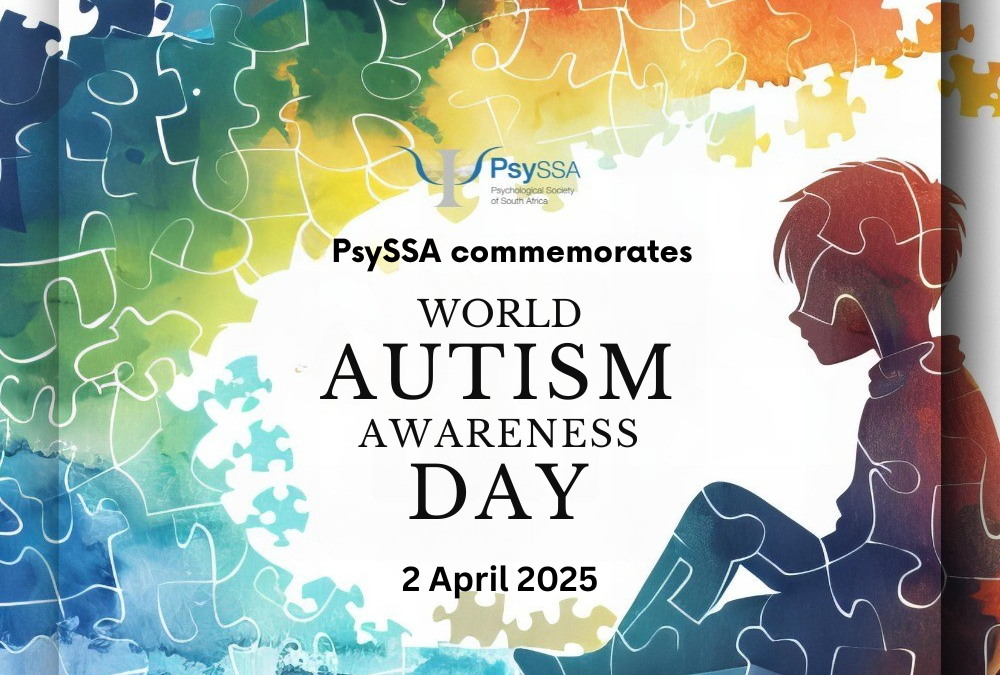
On 2 April, World Autism Awareness Day serves as a global reminder to foster a deeper understanding of autism (World Autism Awareness Day | Autism Speaks, n.d.). However, awareness alone is not enough. Autistic individuals continue to face systemic barriers in education, employment, and healthcare – barriers that persist because society has been slow to move from awareness to genuine acceptance and meaningful inclusion.
The weight of masking and fitting in
For many autistic people, navigating daily life requires masking: they suppress or alter their natural ways of being to conform to neurotypical or non-autistic expectations (Pearson & Rose, 2021). Seers and Hogg (2023) discussed how masking is used as a strategy for social survival rather than mere conformity. One participant in the Seers and Hogg (2023) study describes the relentless strain of masking as follows:
When I think about the mask, I don’t know which bit is the mask, which bit is myself, and which parts of the mask have fused to myself and become indistinguishable from it. It is only in the privacy of my own mind that I allow myself to express what might be the real me. (p. 31)
This highlights the emotional toll of constantly performing neurotypical behaviours simply to be accepted. People with autism often describe masking as physically and emotionally exhausting, leading to burnout, anxiety, and depression (Beck et al., 2024; Lupindo et al., 2023; Seers & Hogg, 2023).
Challenges in healthcare settings
While autistic people experience difficulties navigating educational (Goodall, 2018; Karrit & Coetzee, 2025) and work (Lupindo et al., 2023) spaces, healthcare settings present another significant challenge. Beck et al. (2024) and Øverland et al. (2024) found that participants with autism frequently report feeling misunderstood or dismissed in healthcare settings. Participants in their research articulated a deep need for health care services that validate their experiences rather than pathologise them (Beck et al., 2024).
Moving forward: A call for meaningful change
True acceptance requires more than symbolic gestures: it demands systemic change. Inclusion should not be framed as a favour or accommodation but as a fundamental right that ensures autistic individuals can participate in society without compromising their authenticity (Beck et al., 2024). As expressed by a research participant in Beck et al. (2024), “You’re hurt and people don’t try to understand things from your perspective. It’s like you’re expected to understand things from their perspective, but there’s no effort on the other person’s part.” This lack of reciprocal understanding underscores the urgent need for spaces where autistic individuals are not only heard but actively supported.
Imagine feeling completely alone in a room full of people, constantly suppressing who you are to avoid rejection. For many autistic individuals, this is not an occasional experience but a daily reality. By fostering empathy, embracing neurodiversity, and creating inclusive spaces, we can ensure that autistic people are not just acknowledged but truly accepted and valued.
This World Autism Awareness Day, let’s commit to understanding. Let’s move beyond awareness to create a society where autistic individuals can thrive – not by changing who they are, but by changing how the world sees them.

By: PsySSA’s Division of Neuro and Forensic Psychology
Autism Spectrum Disorder (ASD) is defined by the DSM 5-TR as a neurodevelopmental condition characterised by persistent deficits in social communication and social interaction across multiple contexts, alongside restricted, repetitive patterns of behaviour, interests, or activities. While these symptoms are present from early childhood, diagnosis can occur depending on knowledge and access to care at various points in life. These symptoms cause significant impairment in social, occupational, or other important areas of functioning.
Considering the diagnosis occurs along a spectrum, no two individuals are alike. The severity of the disorder is determined based on the level of support needed, ranging from requiring minimal support to substantial support. The presentation of ASD can vary greatly between individuals, some may have challenges with communication, social interaction, or sensory processing, while others may have remarkable talents and abilities in areas such as art, music, technology, and more. Some may have intellectual disabilities or language delays, while others may have average or above-average intelligence and advanced language skills.
It is through understanding and acceptance that we can truly appreciate these differences and create inclusive environments where all individuals have the opportunity to reach their full potential. On World Autism Day, we come together to honour and celebrate the unique perspectives, abilities, and strengths of individuals on the autism spectrum. This day serves as an important reminder that autism is not a barrier, but rather a different way of experiencing and interacting with the world. It is an opportunity to recognise the richness of diversity in human experiences, and to break down the stereotypes and misconceptions that often surround autism.
South African organisations like Autism South Africa and Autism Western Cape, along with others work tirelessly to support those with the diagnosis as well as their families, while educating society and breaking down stigma. The Autism Parenting Magazine is also a fantastic resource for parents unsure of where to go next or how to overcome challenges which they are grappling with. Worth noted as well were the professional group discussion videos made by the SASCP division.
As we reflect on this day, let us commit to fostering compassion, respect, and inclusion for all individuals on the autism spectrum. Let us build a world where neurodiversity is celebrated, where people are empowered to be their authentic selves, and where communities come together to support each individual’s journey. By creating spaces of belonging, we enable individuals with autism to thrive, contribute, and lead fulfilling lives.
Together, we can make a world that recognises and values the talents, perspectives, and humanity of every person, regardless of their neurological makeup.


Health Psychology Division
Today, on World Bipolar Day, we recognise and acknowledge the strength and resilience of people living with bipolar disorder. The experience of bipolar disorder can significantly affect a person’s sense of reality, sense of self, and can impact their relationships, employment, self-esteem, and physical health. For some, navigating life with bipolar disorder can be a strenuous and isolating journey, highlighting the need for recognition, support, and understanding.
Bipolar disorder is a chronic condition, however, with the correct treatment, people can become aware of their symptoms, manage them, and experience a fulfilling life. People living with bipolar disorder must learn about their triggers, as these can, in turn, initiate mood episodes. Some of the most common triggers include (but are not limited to) stress, conflict with others, lack of sleep, significant loss, seasonal changes, and substance use. The treatment for bipolar disorder includes medication, psychotherapy and lifestyle changes and can aid in fostering a sense of agency and control. Empowering people living with bipolar disorder to take control of their condition may enhance both treatment adherence and a sense of self-efficacy, ultimately contributing to improved well-being.
Nevertheless, it is important to recognize that, despite empowerment efforts, people with bipolar disorder may encounter stigma from their families, communities, healthcare systems, and society. This stigma can lead to barriers in accessing appropriate healthcare and receiving the necessary support. In addition, media representations of bipolar disorder contribute to misconceptions, influencing how people treat and interact with those affected by the condition. The lack of education and understanding about bipolar disorder can negatively affect the empathy and care shown towards those living with the condition. Addressing these misconceptions is important to encourage support and understanding for people living with bipolar disorder.
Equally important is adherence to treatment, which is essential for effective management. There are several strategies beneficial for individuals living with bipolar disorder, including the following:
To the people living with bipolar disorder
We stand in solidarity with you. While navigating life with bipolar disorder can present many challenges, always remember that your diagnosis does not define your identity. You are valued and your experiences matter.


Beyond Commemorations: Advancing Social Justice and Human Rights
By: Justice Desk Africa and PsySSA’s Decolonising Psychology Division
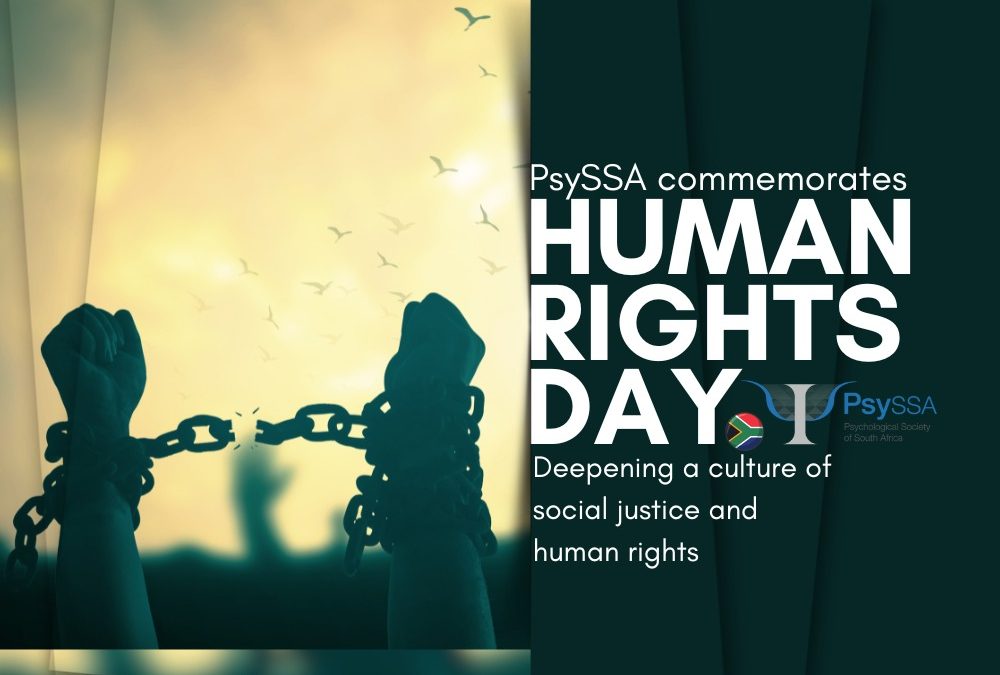
On 21 March 1960, the township of Sharpeville became the site of one of South Africa’s darkest days. A peaceful protest against the apartheid regime’s oppressive pass laws ended in tragedy as police opened fire on an unarmed crowd of 5,000 people. Sixty-nine lives were lost, and hundreds more were wounded in what would come to be known as the Sharpeville Massacre. This event was a turning point in the struggle against apartheid, exposing the brutal nature of the regime to the international community and galvanising the fight for justice and equality. Today, we commemorate this day as Human Rights Day, not only to remember those who died but also to reflect on the state of human rights in South Africa and the unfinished work of social justice.
Since the fall of apartheid in 1994, South Africa has made considerable strides in establishing a constitutional democracy rooted in human rights. The Bill of Rights enshrined in our Constitution promises dignity, freedom, and equality for all. Yet, the realities of daily life tell a different story one where the legacies of colonialism and apartheid continue to manifest in systemic injustices. Economic inequality remains one of the most pressing issues, with wealth still largely concentrated in the hands of a few, while the majority, particularly Black South Africans, remain trapped in cycles of poverty. Racial capitalism, where economic power is still racialised, further entrenches these divides, making true social justice an elusive goal.
Gender-based violence continues to plague the country, with women and LGBTQIA2S+ individuals disproportionately affected. Despite progressive laws and policies aimed at combating gender inequality and violence, the failure of the state to implement these protections effectively has left many vulnerable. Xenophobia also rears its head repeatedly, with foreign nationals scapegoated for socio-economic hardships, undermining the principles of Pan-Africanism and Ubuntu that should be guiding our democracy.
Moreover, the very institutions meant to uphold human rights often become perpetrators of systemic violence. Police brutality, reminiscent of apartheid-era repression, continues unabated, particularly in marginalised communities. Access to basic services such as quality education, healthcare, and housing remains unequal, revealing a persistent gap between constitutional ideals and lived experiences. Corruption within government structures further erodes public trust, diverting resources away from those who need them most.
In light of these ongoing struggles, deepening a culture of social justice and human rights is more than a moral imperative – it is a necessity for South Africa’s democratic survival. Symbolic recognition of human rights is not enough; there must be a concerted effort towards structural transformation. This requires not only policy reforms but active citizen engagement in dismantling systems of oppression. The Constitution must be more than a document, it must be a living, breathing force that informs legislation, governance, and social action.
Justice is not a passive ideal bestowed from above; it is a collective struggle that must be fought for and defended daily. True human rights are realised in solidarity with the most marginalised. This means standing against economic exclusion, advocating for gender justice, challenging xenophobia, and demanding accountability from those in power. Human Rights Day must serve as more than a moment of remembrance – it must be a call to action!
Organisations like Justice Desk Africa embody this commitment by working on the ground to educate, empower, and advocate for those whose rights are often disregarded. Their work highlights that real transformation begins with grassroots movements that challenge oppressive structures and foster communities grounded in dignity and equity.
As we reflect on the Sharpeville Massacre and the sacrifices made for our freedoms, we must ask ourselves: What are we doing to uphold the values that those who came before us fought for? Are we complacent in the face of injustice, or are we actively working towards a society where human rights are not a privilege, but a lived reality for all?
The path to a just and equal South Africa remains fraught with challenges, but it is a path we must walk together. Only through collective responsibility, sustained activism, and unwavering commitment to social justice can we ensure that the horrors of the past do not define our future. Let us honour the memory of Sharpeville not just in words, but in action – by building a society that truly upholds the dignity and rights of every individual.
Reader’s Digest: An insight into eating disorders
Authors: Z. Hoosen, G. Burrow, R. Kangokar Rama Rao (The Registered Counsellors and Psychometrists’ Executive Committee)
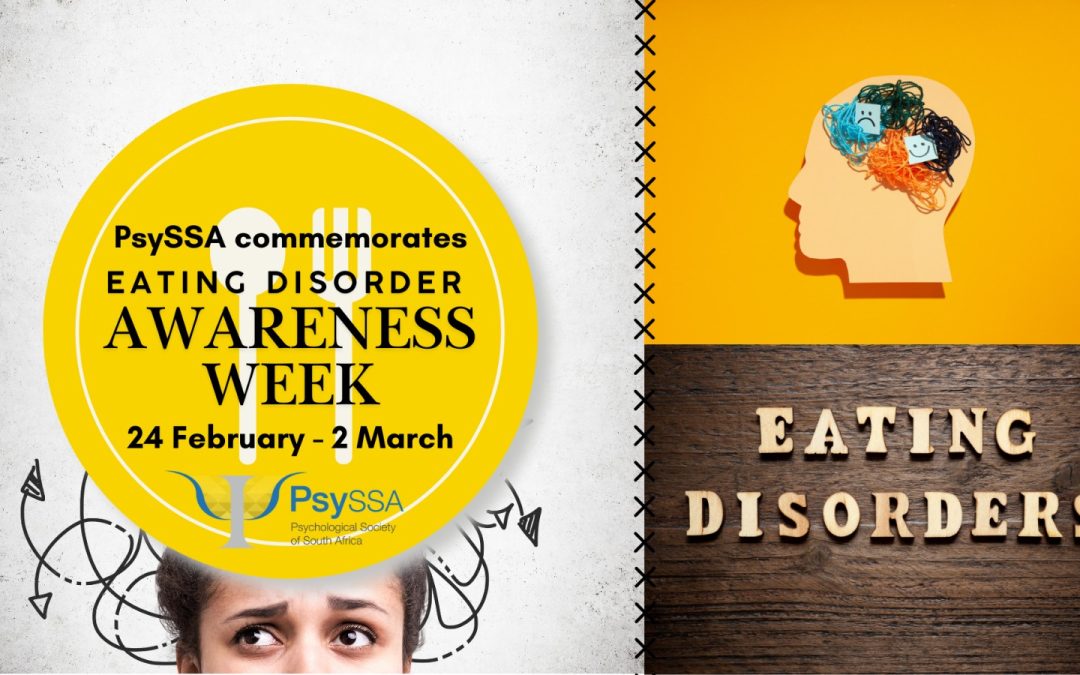
The frequency of eating disorders has almost doubled globally in less than 20 years and continues to rise (Center for Women’s Health, N.D.). The American Psychological Association defines an eating disorder (ED) as “any disorder characterized primarily by a pathological disturbance or attitude and behaviours related to food” (APA, 2018). The ICD-10 classifies eating disorders into two principal syndromes: anorexia nervosa and bulimia nervosa. Furthermore, binge eating disorder is also classified with this spectrum of disorders.
The Eating Disorders South Africa organisation briefly describes that anorexia and bulimia nervosa are commonly associated with the following behaviours: adherence to strict diets despite weight gain/loss, compulsive exercising for weight loss, binge eating large quantities of food, consuming laxatives or diuretics aimed at purging or expelling food intake, abuse of stimulants or similar substances such as appetite suppressants etc. More definitively, the National Institute of Mental Health (NIMH) indicates that anorexia nervosa is characterised by a significant and persistent reduction in food intake resulting in low body weight in the context of age, sex, and physical health; an unrelenting pursuit of thinness; distorted body image and intense fear of weight gain, and severely disturbed eating behaviour (NIMH). Then, bulimia nervosa is characterised by bingeing (eating large amounts of food in a short period, often accompanied by a loss of control) followed by behaviour that compensates for the binge, such as purging (e.g. vomiting, excessive use of laxatives, or diuretics), fasting, and/or exercise. A common distinctive feature between anorexia and bulimia is that individuals suffering with bulimia can fall within the normal range for their weight. However, individuals suffering from anorexia often display a deep fear of gaining weight, desperately want to lose weight and experience persistent dissatisfaction with their body size and shape (NIMH).
The global burden of disease study found a significant burden of eating disorders (EDs), specifically among young women living in high-income countries (Williams et al., 2020). Correspondingly, Markino et al. (2004) had previously found that more females suffered from EDs and displayed abnormal eating attitudes than males in at least 11 countries. In contrast, Novotney (2024) argue that boys and men are increasingly becoming affected by mental health conditions such as body dysmorphia and subclinical disordered eating behaviours. It is reported that males now constitute approximately a third of those diagnosed with an eating disorder (Mitchison, 2019), highlighting a growing concern around this clinical concern.
Further, it was found that the prevalence of EDs in non-Western countries was lower than Western countries, although this has since gradually increased (Markino et al., 2020). Evidence suggests that gender and sociocultural influences play a role in this increase (Hoek, 2016; Markino et al., 2020). Commonly, the attitudes, social influences, and media depictions of physical features of ‘perfection’ such as ideal thinness or ideal muscularity are strongly cited as risk factors for both males and females. Unfortunately, the median onset of EDs is in the late teens to early 20s (Kessler et al., 2013; Glazer et al., 2021).
Eating disorders are complex mental health conditions that often manifest during adolescence, typically between the ages of 12 and 25. Common types include anorexia nervosa, bulimia nervosa, and binge eating disorder. A combination of genetic, psychological, and sociocultural factors influences the onset of these disorders. Early intervention is crucial, as timely treatment can significantly improve recovery outcomes. Parents, educators, and healthcare professionals should be vigilant for warning signs, such as drastic weight changes, preoccupation with food or body image, and avoidance of meals. Promoting a healthy relationship with food and body image during these formative years is essential for prevention and early detection (Tan et al., 2022).
Treatment and support
A crucial aspect of treating EDs is detecting disorders as early as possible. Reports from practitioners highlight that being more aware of body image and eating concerns is an important part of the treatment process (Novotney, 2024).
Ideally, treatment for EDs involves a multidisciplinary approach, often including a range of licensed and qualified professionals, including a medical practitioner, a mental health professional such as a psychiatrist or a psychologist, a nutritionist, and/or a dietitian. These professionals are identified as trained and educated to provide a holistic treatment for an individual that treats affected areas of functioning and equips the individual with the necessary intervention to recover.
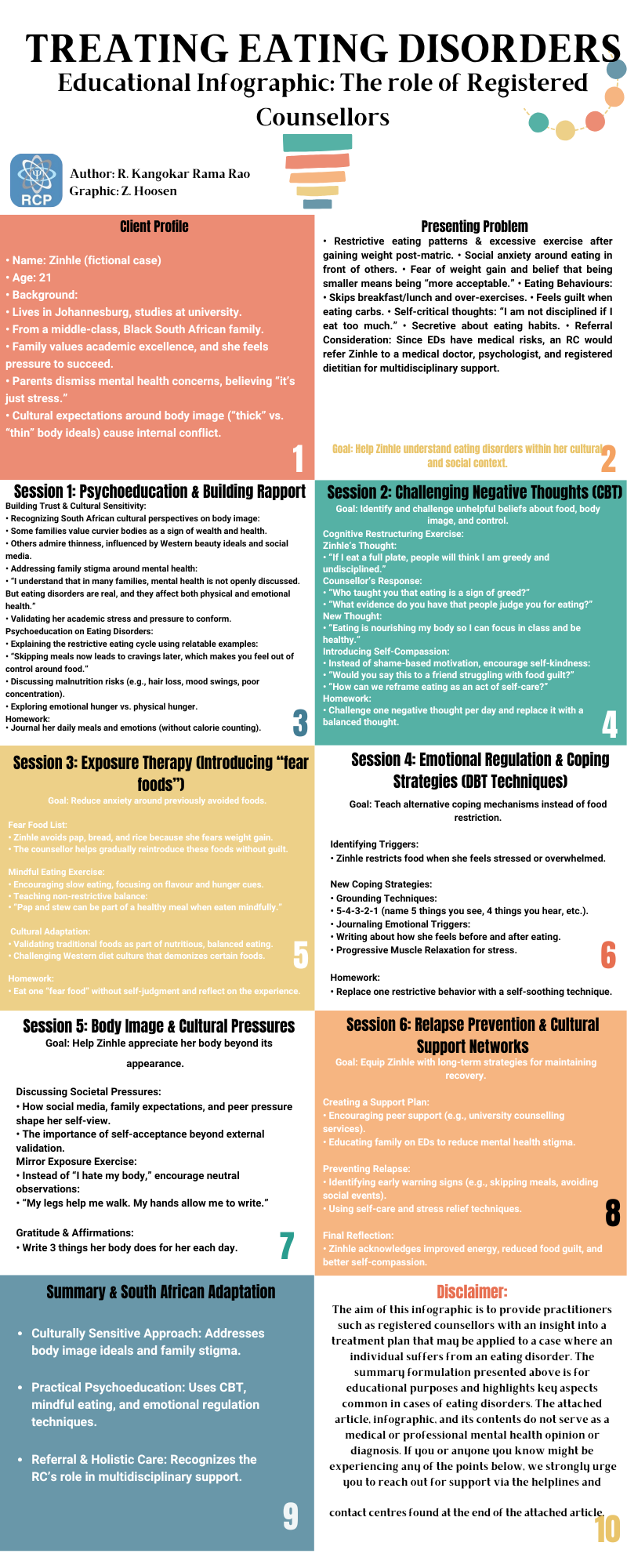
An infographic of a treatment intervention is attached to this article for educational purposes. The aim of this infographic is to provide practitioners such as registered counsellors with an insight into a treatment plan that may be applied to a case where an individual suffers from an eating disorder. The summary formulation presented below is for educational purposes and highlights key aspects common in cases of eating disorders. This article and its contents do not serve as a medical or professional mental health opinion or diagnosis. If you or anyone you know might be experiencing any of the points below, we strongly urge you to reach out for support via the helplines and contact centres found at the end of this article.
Role of the registered counsellor
A registered counsellor (RC) in South Africa plays a vital role in early intervention, psychoeducation, and brief therapeutic support for clients with eating disorders (EDs). While RCs do not diagnose or provide long-term psychotherapy, they can provide preventative care, short-term interventions, and referrals to psychologists, dietitians, and medical professionals.
Eating disorders in South Africa are often underreported due to cultural stigma, lack of awareness, and limited access to specialist services. The RC’s role is to create awareness, offer psychoeducation, and provide short-term intervention using evidence-based techniques like Cognitive-Behavioural Therapy (CBT), psychoeducation, and strengths-based approaches.
Please refer to the infographic attached for the example treatment plan.
Support services and organisations:
Email: info@recoveryspace.org
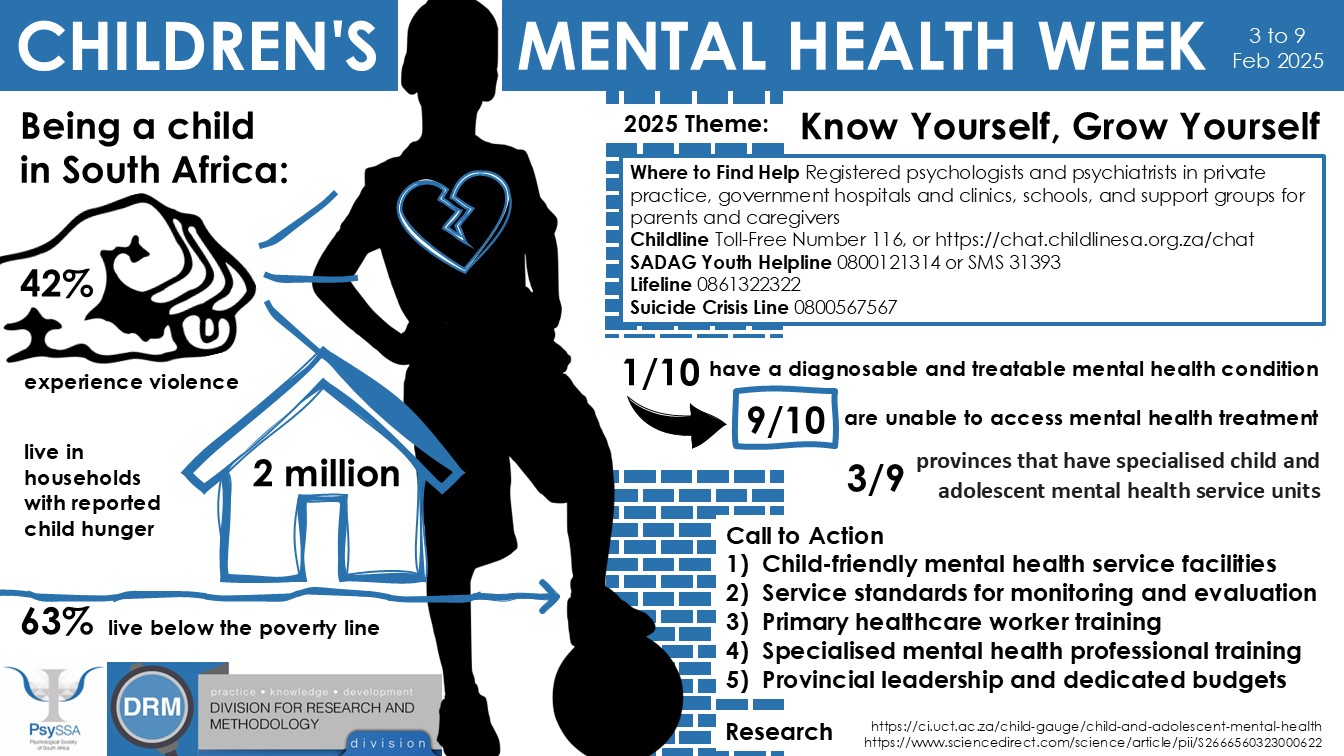
CHILDREN”S MENTAL HEALTH WEEK: 2025
PSYSSA is complimented for launching the 2025 MHC with the focus on Children’s Mental Health. Children have a special place in Society. They are the archetypal pride and joy of parents associated with fun, laughter, joy and playfully mischievous in a normal society. Parents generally promote their healthy living through social, emotional, psychological, and spiritual well-being. The seminal Children’s Act 38 of 2005 and amendments profoundly spell out how children must be cared for and protected.
While there were adverse conditions prior to the drafting of the above Act, the current children’s mental health needs have reached uncontrollable proportions. This in fact has given rise to grave concerns for their mental health and fears for their safety. It would make for un-sobering reading to take a snapshot view of how children are faring with their Mental Health globally. Space does not allow for such a broadside perspective. WHO (2022) presents the startling statistic that twenty five (25%) of children present with Mental Health issues. A UNICEF South African Report posited that sixty (60%) of youth needed mental health support. However, only 12.4 % of children and adolescents with mental health problems receive professional help (Kleintjies et al., 2015). This can be explained by the gross imbalance between psychologists and patients. According to the SAACP ( 2020) there were (3022)-Clinical Psychologists; (1598)-Counselling Psychologists: (1510).-Educational Psychologists.
This translates to a ratio of about 1 psychologist for 10 633 clients. At a systemic level this overwhelming inequity explains why children in general find it difficult to access Mental Health services. This situation is further exacerbated by the fact that the majority of the practitioners are in private practice. This begs the question what if any mental health intervention children from the rural area receive. The psychological services attached to the various districts in each province can hardly be considered to be a serious service provider of mental health. Statistics from eight DOE provinces (2020-2021) underscore the stark and gloomy reality of the effete mental health school provisions :
| Province | Pupils | Psychologists |
| Eastern Cape | 1 704 581 | Unknown |
| Free State | 541 959 | 15-20 |
| Kwa Zulu Natal | 2 758 831 | 83 |
| Limpopo | 1 245 095 | 30-35 |
| Mpumalanga | 745 838 | 25 |
| North West | 584 831 | 20-25 |
| Northern Cape | 272 411 | 15-20 |
| Western Cape | 1048 905 | 47 |
| Gauteng | 2 055 042 | 45 |
An overpowering disproportion between pupils and psychologists. It is noted that formal assessments cannot be administered for this reason. In any case it is apparent that psychologists only respond to a request from a school about twelve months later However, the inordinate disparity in numbers make access to mental health impossible for the majority of pupils. To a large extent detractors to the existence of school psychology are justified. It is an expensive service. It is a first world phenomenon in an under-developed third-world context.
The general public is hardly and selectively serviced, schools are poorly-serviced and the rural areas are abysmally non-serviced. Are we paying attention to the scary Big Picture or merely going through the motions like school psychological services. As the mental needs of our children get more complex and demanding are we psychologists playing the proverbial fiddle. Severe trauma, depression, anxiety, stress and suicide ideation are major psychological constructs that children experience. Their mental health needs are utterly under-provided. In the recent Mental State of the World Report released by Sapiens Labs South Africa ranked
Second(2nd) Lowest on the Mental Health Quotient
First as the most stressed country in the world
A recent advert notes that the “ difference is in the detail ”. We are patently aware of the appalling details. We need to step out of the comfort zones in our insulated ivory towers and make the difference.
Children’s Mental Health Week – Reflections on Self-Awareness as a Psychology Student
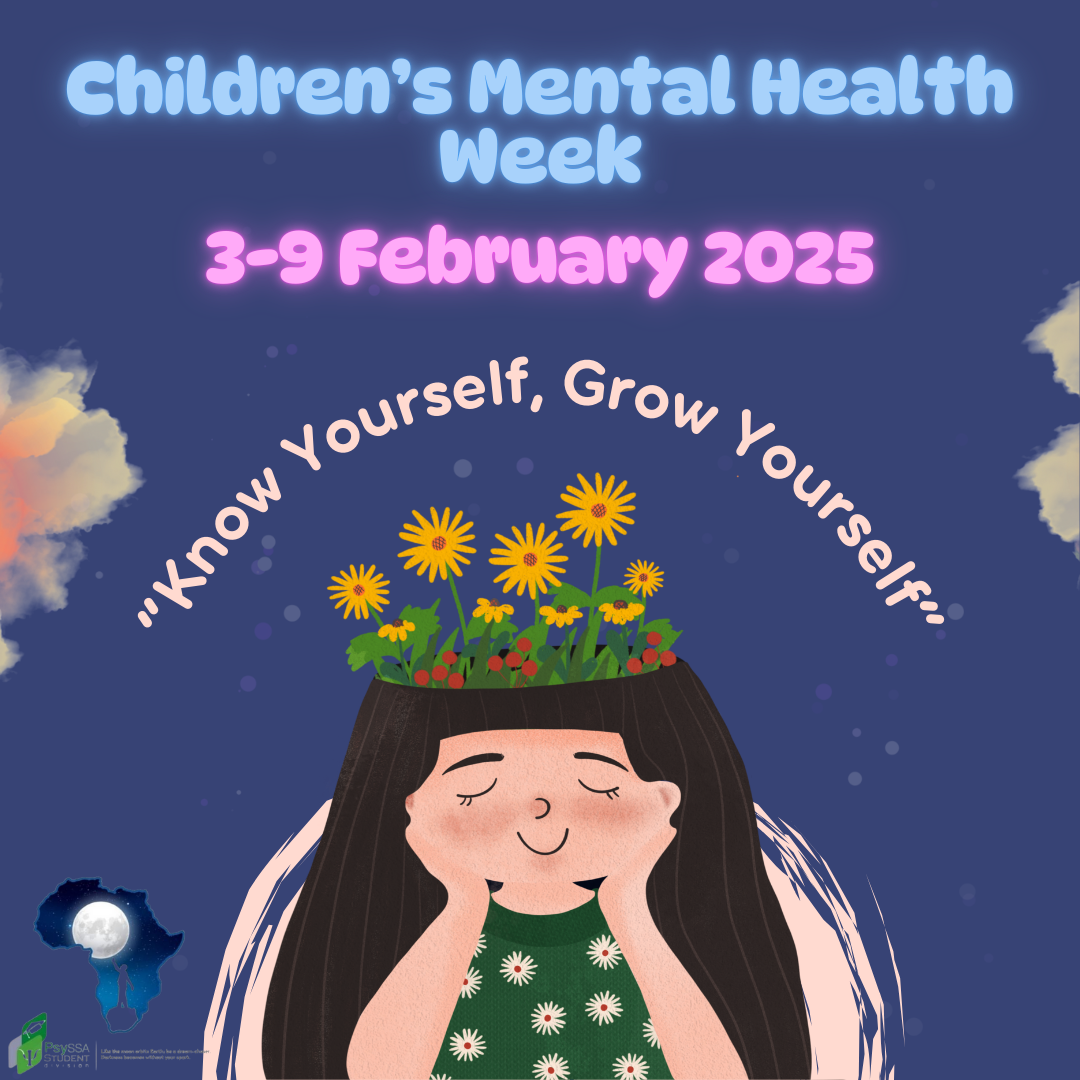
Children’s Mental Health Week, established in 2015, focuses on raising awareness of children’s mental health and emotional well-being. While this initiative originates in the UK, it aligns with local efforts such as Child Protection Week, Youth Month, and Mental Health Awareness Month, which highlight mental health challenges in childhood and beyond. This year’s theme, “Know Yourself, Grow Yourself,” provides an opportunity for psychology students to reflect on their own childhood mental health, exploring how their experiences have shaped their self-awareness and career paths.
Reflecting on childhood mental health often reveals how early challenges, trauma, or environmental factors influenced our mental well-being and led us to pursue psychology. Such reflections form the foundation of self-awareness, which is important for professional practice. Many psychologists embody the concept of the wounded healer, where their own struggles and healing journeys inspire their ability to empathise with others. Self-awareness allows individuals to recognise and work through biases, blind spots, and unresolved issues. For this reason, postgraduate applications, such as honours and master’s programmes, often include reflective exercises like autobiographical essays or interviews. These assessments evaluate not only academic readiness but also insight into one’s personal growth.
Self-awareness is not a one-time exercise but a lifelong process. As students, individuals continuously uncover values, insecurities, and unresolved emotions that shape how they engage with others. Discoveries like these follow practitioners into their careers, where self-reflection and professional counseling are essential for managing personal challenges and ensuring that mental health does not negatively impact those they serve. Early mental health struggles, such as emotional stressors or disorders, may persist in different forms, but when approached with self-awareness, they become tools for empathy and professional insight.
Across psychology’s diverse fields, self-awareness is critical in varying ways. Clinical and counselling psychologists rely on this quality to manage transference, countertransference, and emotional regulation, ensuring effective care without compassion fatigue or burnout. Educational psychologists use self-awareness to recognise how their own experiences and biases influence their work with children, families, and educators, enabling culturally sensitive interventions. Research psychologists depend on reflexivity to remain ethical and objective, particularly when working with vulnerable populations. In neuropsychology, awareness of one’s emotional responses helps practitioners manage the toll of working with life-changing diagnoses, balancing empathy with clarity. For organisational psychologists, self-awareness supports the management of workplace dynamics, promoting systemic well-being and addressing burnout.
Children’s Mental Health Week encourages us to reflect on our own mental health, using this theme as a starting point for cultivating self-awareness. This reflection reminds us that self-awareness is a lifelong journey, essential for both personal growth and professional competency. By engaging in self-awareness, we enhance our ability to empower the individuals and communities we serve.