Time To Talk Day – 06 February 2026

Time To Talk Day – 06 February 2026

PsySSA: It’s Time to Talk

Conversation is connection. Time to Talk Day reminds us that conversation can change lives. Today, PsySSA amplifies voices from our PIPS and AID divisions – because listening, speaking, and connecting are acts of care, courage, and social justice.

Read the PiPS and AID contributions below:


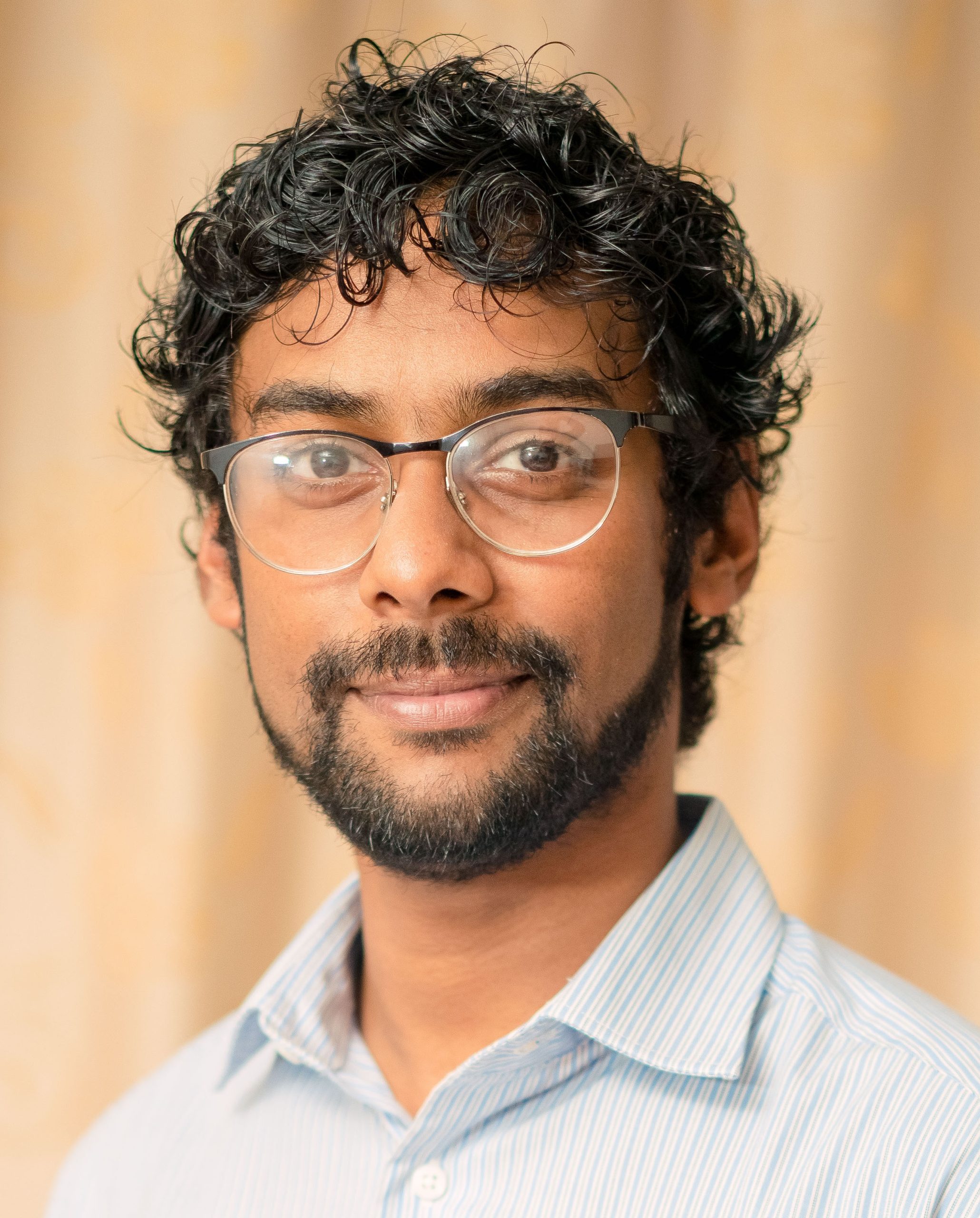
Time to Talk Day: Social Media, AI, and the Quality of Mental Health Conversations

By Rekha Kangokar Rama Rao and Athena Clayton (AI Division)


Time to Talk Day calls for open, stigma-free conversations about mental health. Yet in a digital era shaped by social media and artificial intelligence (AI), many of these conversations now take place in online spaces that are governed less by care and more by platform, e-design, algorithms and engagement incentives. While this shift has expanded access and visibility, it also introduces significant risks to how mental health distress is expressed, received, and responded to. Questions of depth, psychological safety, and ethical responsibility become particularly urgent when mental health conversations are shaped by systems that reward speed, exposure, and emotional intensity rather than understanding and containment. These concerns are especially pressing in unequal contexts such as South Africa, where overstretched services and structural inequality mean that online conversations may carry more weight, and more risk, than they were ever designed to hold.

Within this landscape, social media can offer connection, validation, and a first step toward acknowledging distress. Platforms enable people to share lived experiences, find peer support, and connect with others who share similar experiences. It also plays a growing role in promoting awareness and acceptance of mental health conditions by sharing accessible information, challenging stereotypes, and correcting common misconceptions. Research suggests that online self-disclosure can reduce feelings of isolation and encourage help-seeking, especially among young people and marginalised groups (Naslund et al., 2016). In South Africa, where public mental health services are overstretched and unevenly distributed, these digital spaces can offer connection where formal care is inaccessible. For many, posting or engaging online becomes the first step toward acknowledging distress an outcome aligned with the aims of ‘Time to Talk’.

For example, a university student might post: “I feel like I’m falling behind in everything and I’m stressing.” A meaningful response is rarely about having the perfect words, but about offering safety and recognition: “I’m really glad you said something. You don’t have to carry this alone. Do you want to talk, or would it help if we looked at support options together?” In moments like these, a comment section can become the first space where someone feels seen, and that can be enough to prompt help-seeking.

AI-driven mental health tools further extend this accessibility. Chatbots and mental health apps offer anonymity, immediacy, and consistency, which can be appealing in contexts where stigma or fear of judgment prevents open discussion. Evidence indicates that some AI-based conversational agents can reduce symptoms of depression and anxiety in the short term by delivering structured psychological strategies such as cognitive-behavioural techniques (Fitzpatrick et al., 2017). From this perspective, AI can help people start talking sooner and access support more easily.

For example, a person who is overwhelmed at 2 a.m. might not be able to call a friend or visit a counselling centre, but they may be willing to open an app. A chatbot might guide them through a grounding exercise (“Take a slow breath in. Name five things you can see.”) or help them challenge spiralling thoughts (“What is the thought you keep returning to? What evidence supports it?”). While this is not the same as human care, it can offer a moment of steadiness and structure when emotions feel unmanageable.

On the other hand, increased conversation does not automatically translate into meaningful or safe engagement. Social media platforms are shaped by algorithms that reward visibility and emotional intensity rather than care or accuracy. Studies link high levels of social media use to increased depressive symptoms, anxiety, and harmful social comparison, particularly among adolescents (Twenge et al., 2018). Public disclosures of distress may attract empathy, but they can also invite dismissive or unkind reactions, moral judgement, unsolicited advice, or misleading mental health content that is not evidence-based. In this sense, social media can blur the line between support and spectacle, where personal distress is shared widely but not always held with care.

For example, a person might share that they are depressed and receive responses like: “You’re just looking for attention,” “Other people have it worse,” or “Stop being dramatic.” Even when replies are not intentionally cruel, they may still be dismissive or simplistic: “Just be positive,” “Just pray,” or “Go for a run.” Instead of feeling supported, the person learns that disclosure comes with risk, and that vulnerability is tolerated only when it is neat, inspiring, or easy to consume.

AI tools introduce further ethical and clinical concerns. While chatbots can simulate empathy, they do not possess true understanding or moral responsibility. Researchers caution that AI systems may fail to respond appropriately to complex mental health crises, including suicidality or trauma, where nuanced human judgment is essential (Bickmore et al., 2018). Issues of data privacy, surveillance, and algorithmic bias are particularly salient in societies marked by inequality. If AI tools are trained on data that do not reflect local languages, cultural expressions of distress, or socio-economic realities, they risk excluding or misinterpreting those most in need.

For example, someone might type: “I can’t do this anymore. I’m tired of everything.” A human listener may recognise the seriousness behind such a message and respond with care, urgency, and appropriate referral. An AI tool, however, may not always interpret context reliably, particularly when language is ambiguous, culturally specific, or emotionally complex. This highlights why AI can be useful for everyday support, but should not be treated as a substitute for professional or relational care in moments of crisis.

The central question, then, is not whether social media and AI are good or bad for mental health conversations, but whether they improve the quality of those conversations. ‘Time to Talk’ reminds us that talking is not simply about expression, but about being heard, understood, and supported responsibly. Digital tools can open doors, normalise discussion, and provide interim support, but they should not become substitutes for human connection or systemic investment in mental health care.

Ultimately, social media and AI should be treated as entry points rather than endpoints. They can open the door to conversation, but they cannot replace deep, responsible support and connection. ‘Time to Talk’ challenges us to think critically: are we simply talking more, or are we creating conditions where talking leads to dignity, connection, and meaningful support?

Time to Talk: Creating the Conditions for Meaningful Mental Health Conversations

By Moshibudi Molepo and Barry Viljoen


Talking about mental health matters…but how we talk matters just as much.

In South Africa, many people live with emotional distress in silence. Stigma, limited access to care, cultural expectations, and daily survival pressures can make it hard to speak openly or seek support. For some, silence becomes a way of coping, not because help isn’t needed, but because talking doesn’t always feel safe, welcome, or useful.

Time to Talk invites us to look beyond words and ask a deeper question: What helps a conversation about mental health feel possible, respectful, and meaningful?

Before people can talk, certain conditions need to be in place. Emotional safety matters. Power dynamics need to be acknowledged. Shame, fear, and cultural taboos must be held with care. Timing matters too, conversations work best when they are invited, not forced.

When conversations do happen, listening becomes more important than fixing. This means resisting the urge to reassure too quickly, reflecting feelings rather than correcting facts, and allowing space for silence. Often, being present is more helpful than saying the “right” thing.

Open conversations can reduce isolation and strengthen connection but they should not happen in isolation from support. In South Africa, organisations such as SADAG and LifeLine provide accessible, 24-hour telephonic and WhatsApp support, helping bridge the gap between home, community, and care. Knowing where to turn makes it easier to talk, and easier to listen.

Time to Talk is not about having all the answers. It’s about creating spaces where people feel heard, respected, and supported. Where help is visible and within reach.

Sometimes, the most meaningful thing we can do is listen well — and help someone know they are not alone.

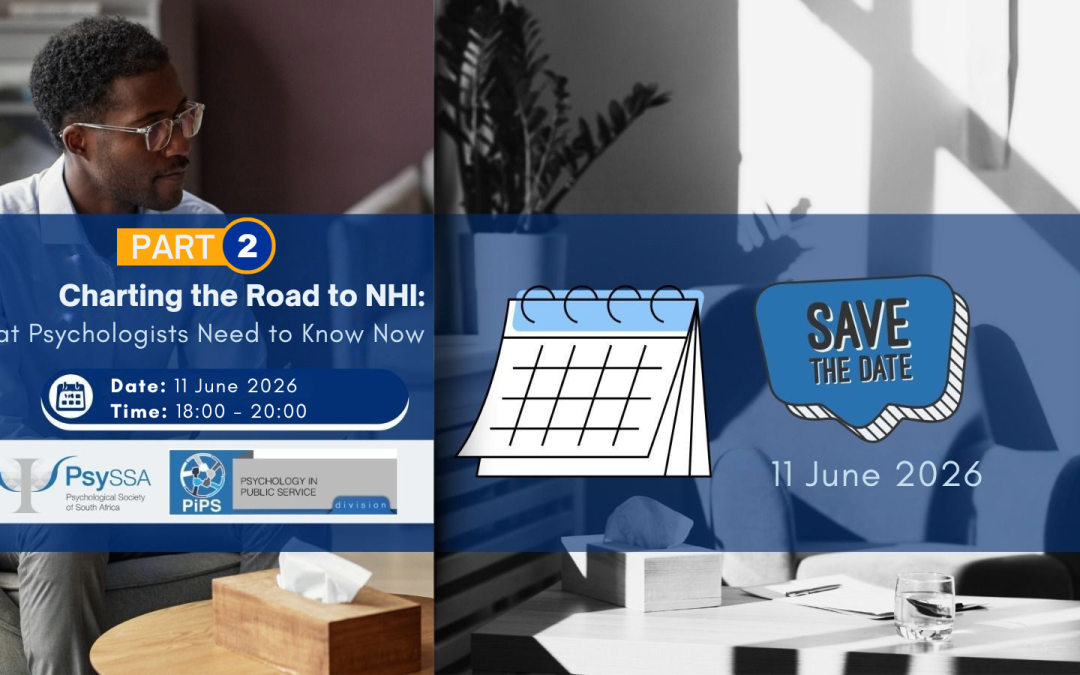
Charting the Road to NHI: What Psychologists Need to Know Now – 3 February 2026

Charting the Road to NHI: What Psychologists Need to Know Now – 3 February 2026

Charting the Road to NHI: What Psychologists Need to Know Now


3 February 2026

As South Africa moves closer to the implementation of the National Health Insurance (NHI), it is essential for psychologists to understand the implications for practice, service delivery, and professional roles within the public health system.

The NHI represents a major reform in how health care is financed in South Africa towards achieving Universal Health Coverage. This workshop is aimed at psychologists to share information on the what the NHI is, and how practitioners fit into the reforms of the NHI.

The Psychology in Public Service (PiPS) Division of PsySSA invites members to an important engagement that will provide clarity on the current NHI landscape, anticipated developments, and what psychologists need to know and prepare for at this stage.

Date: Tuesday, 3 February 2026

Time: 17:00

Cost: Free

CPD Points: 1 General and 1 Ethics Point

Presenters
Dr Amilcar Juggernath

Dr Amilcar Juggernath

Dr Amilcar Juggernath is a Public Health Medicine Specialist. He is based in the NHI Branch of the National Department of Health working on accreditation of health care facilities, is appointed as an extraordinary lecturer within the Department of Public Health Medicine at the University of Pretoria, and is a board member of the Public Health Association of South Africa.

Prof Shabir Ahmed Moosa

Prof Shabir Ahmed Moosa

Prof. Shabir Moosa (MMed, MBA, PhD) is a Specialist in the User and Service Provider Management Cluster of the NHI Branch, National Department of Health, and Associate Professor at the University of Witwatersrand. Head of Clinical Unit for Family Medicine in Johannesburg Health District (2006–2025), he led the Chiawelo Community Practice—a model of Community-Oriented Primary Care (COPC) for NHI. He also coordinates the African Forum for Primary Health Care (AfroPHC).

Charting the Road to NHI: What Psychologists Need to Know Now – 3 February 2026

Save the Date: Charting the Road to NHI: What Psychologists Need to Know Now

Save The Date: 3 February 2026

Charting the Road to NHI: What Psychologists Need to Know Now

As South Africa moves closer to the implementation of the National Health Insurance (NHI), it is essential for psychologists to understand the implications for practice, service delivery, and professional roles within the public health system.

The Psychology in Public Service (PiPS) Division of PsySSA invites members to an important engagement that will provide clarity on the current NHI landscape, anticipated developments, and what psychologists need to know and prepare for at this stage.

Date: Tuesday, 3 February 2026

Time: 17:00

Save the date and join this critical conversation as we collectively chart the road ahead. Details to follow soon – watch this space!


Psychology in Public Service Division (PiPS) – 16 Days of Activism Against Gender-Based Violence

Psychology in Public Service Division (PiPS) – 16 Days of Activism Against Gender-Based Violence

As our lives, learning, work and relationships increasingly move online, technology-mediated violence has become one of the most urgent fronts in the fight against gender-based violence. From online harassment and stalking to image-based abuse and hate speech, digital violence threatens the safety, dignity and rights of women and girls in South Africa and across the world.

In this powerful contribution, PsySSA’s PiPS Division reflects on the 2025 UN Women theme — UNITE to End Digital Violence Against All Women and Girls — and explores how digital safety, gender equality and human rights are deeply interconnected. The piece highlights the need for stronger policy implementation, safer technology design, improved digital literacy, and coordinated, trauma-informed responses across sectors.

Read the full contribution below:

PsySSA Psychology in Public Service Division (PiPS)

16 Days Of Activism: UNITE to End digital Violence Against All Women and Girls

The 16 Days of Activism Against Gender-Based Violence runs from 25th November to 10th December. It is a global call to action to prevent and eliminate all forms of violence against women and children. Although the campaign is observed for 16 days, its success rests on our daily and individual actions to safeguard our society against this cycle of abuse.

The 2025 global campaign, led by UN Women under its’ UNiTE initiative, is themed “UNITE to End Digital Violence Against All Women and Girls.” In the digital sphere, online harassment, abuse, stalking, non-consensual sharing of images or personal data, hate speech and other forms of technology-facilitated violence need to be eradicated in order to advance gender equality and human rights.

Technology must become a force for equality and not harm. The campaign calls on governments, private sector platforms, civil society and individuals to act to improve policies and laws; to design safer technologies; to equip women and girls with digital literacy and safety tools; to shift social norms and to hold perpetrators and platforms accountable.

In the South African and global context, the campaign reinforces that gender-based violence is never acceptable. By extending the reach of activism into the digital sphere, the 2025 campaign acknowledges the evolving ways in which violence and harassment manifest, especially as our lives, workplaces, learning, socialising and relationships move online. Gender-based violence does not occur in isolation. It is shaped by unequal power dynamics, harmful gender norms, historical and intergenerational trauma, socio-economic inequalities and attitudes that normalise violence.

Across its 16 days, the campaign provides an opportunity to create awareness, generate policy momentum, amplify survivors’ voices, share resources, shift culture, and foster solidarity. The campaign underscores women’s and girls’ digital safety as a fundamental part of their human rights, their freedom of expression, access to economic and social life and their dignity and bodily autonomy.

Every person has a role in ending GBVF. This collective vision can only be realised when every sector plays its part: Government must strengthen policy implementation, resource frontline services and ensure accountability across the justice and security systems and health services must provide trauma-informed and compassionate care. Intersectoral collaboration between social development, education, policing, health, civil society and community leaders is essential to creating a coordinated, survivor-centred response. When institutions work together and communities remain actively engaged, South Africa takes meaningful steps toward a society grounded in safety, dignity, healing and justice for all women and children.

Resources
https://www.unwomen.org/en/get-involved/16-days-of-activism
ChatGPT used for generative AI purposes & all Instagram squares were generated by ChatGPT

World AIDS Day – 1 December 2025

World AIDS Day – 1 December 2025

World AIDS Day – 1 December 2025 

“Overcoming Disruption, Transforming the AIDS Response”

Today we honour the resilience of communities, practitioners, and health systems responding to HIV in the face of global funding cuts, service disruptions, and persistent inequities. As highlighted in contributions from our HPD and PiPS divisions, protecting the gains made in South Africa’s HIV response requires renewed commitment to both biomedical advances and psychosocial care.

We reflect on the continued psychological burden carried by people living with HIV, the impact of stigma and trauma, and the essential role of mental-health professionals in strengthening continuity of care, integrating mental-health screening, and championing trauma-informed, person-centred, and rights-based approaches.

This World AIDS Day, we stand with communities, researchers, and health workers who persist with dedication, empathy, and hope.

Read the PiPS and HPD contributions below:


Psychology in Public Service (PiPS) Division – Overcoming Disruption and Transforming the AIDS Response

On the first of December, we commemorate World AIDS Day, and this year in 2025, we actively reflect. Reflect on how we as communities, practitioners and even healthcare systems have adapted and continue to adapt and innovate, in the face of adversity and disruption. Our response to the HIV epidemic, has been one of the most ambitious in the world. However, this is not to say that it hasn’t been without challenges. This year the focus is on a renewed effort and sustainable commitments to revitalising not only our biomedical responses but also psychosocial interventions.

As psychologists working within the public service, we are reminded and attempt to remind all, that HIV is both a medical and mental health condition. Disruptions to care, amplify the psychological vulnerabilities of an already vulnerable group. Sadly, stigma remains a challenge faced all too often, while heightened anxiety, depression and trauma exposure are common.

Yet when faced with these challenges we as South Africans have found opportunities for transformation. We as mental-health professionals have the ability to shape a response, that is more dynamic, person-centred, equitable and resilient. However, this does mean that we are going to have to strengthen continuity of care, by integrating mental-health screening and brief interventions into HIV services. While actively addressing stigma and discrimination, including internalised stigma. Which impacts on adherence and wellbeing. We have to champion trauma-informed care, which can only take place effectively in the context of interdisciplinary collaboration. Leading to advancements in treatment literacy, community empowerment, and hopefully advances in prevention. While of course, looking after ourselves and colleagues, who face the reality of burnout, moral distress and secondary trauma.

In marking World AIDS Day, PiPS would like to acknowledge the continued psychological burden carried by people living with HIV, as well as their families, and the teams who treat and support them. We wish to pay tribute to the resilience of communities that continue to advocate for, organise and provide care for, in the face of adversity.

Overcoming disruption isn’t just possible, rather it’s been continuously underway in every interaction when practitioners engage with empathy, expertise and the facilitation of hope.

Health Psychology Division (HPD) – World AIDS Day

Today we commemorate World AIDS Day under the theme: “Overcoming disruption, transforming the AIDS response.”

We highlight a global funding crisis that is threatening decades of progress on HIV/AIDS prevention and treatment. This disruption is disproportionately affecting marginalized communities and leaving them behind. Despite these global setbacks, community-led organisations, researchers, and health workers continue to defend vital gains and push for a stronger, more equitable HIV/AIDS response.

Here in South Africa, researchers continue to produce vital evidence that guides policy and strengthens services for communities affected by HIV:

  • Securing our HIV response: The PEPFAR crisis in South Africa.
  • Structural determinants of HIV inequities in South Africa: Policy analysis of the national strategic plan for HIV 2023–2028.

Ending AIDS is possible. But only if we protect communities, fund the response, and uphold human rights.

HIV/AIDS AWARENESS 2025 – DRM Division

Reflections, Progress, and the Road Ahead

December 1st was an important time to reflect on South Africa’s progress in combating the HIV pandemic, while also recommitting to the work that is still required to fight AIDS. The national theme for 2025 “Renewed Efforts, Sustainable Commitments to End AIDS” highlighted a social commitment to continuing advances and closing the gaps in the fight against AIDS (Government of South Africa, 2025).

Recent figures indicate considerable progress. According to the SABSSM V1 National HIV Survey, HIV infection rates across all ages decreased from 14.0% in 2017 to 12.7% in 2022 (Human Sciences Research Council, 2023a). Antiretroviral Therapy(ART) has significantly increased, reaching roughly 80.9%in 2022 compared to the 63.7% in 20217 (HSRC, 2023b).

Progress toward the UNAIDS 95-95-95 targets is encouraging as 89% of people living with HIV aged 15 and older know their HIV status, 90.7% are on treatment, and 93.9% are virally suppressed (HSRC, 2023c).

In spite of these gains, difficulties still exits. For instance, estimates show that more than one in four people living with HIV remain untreated, despite the widely recommended antiretroviral therapy (SECTION27, 2024). In response to this challenge, the government and its partners started the Close the Gap programme in 2025, hoping to introduce 1.1. million individuals on antiretroviral therapy (World Health Organisation, Regional Office for Africa, 2025).

Stigma, identity, trauma, resilience, and disclosure, remain crucial to the psychological wellbeing of individuals and communities. For psychologists and mental health practitioners, these challenges highlight the fundamental social and emotional aspects of living with HIV. Thus, the involvement of mental health practitioners is critical in supporting holistic care treatment of those living with HIV/AIDS.

While a full month is not officially designated to HIV/AIDS awareness, the Division of Research and Methodology (DRM) encourages its members to continue advancing psychological assistance, social action, and community involvement. Ending AIDS is not only a biomedical challenge – it’s a psychosocial one.

South Africa must continue to build a future where all HIV-positive people live healthy and empowered lives by working together!

References
Government of South Africa. (2025). World AIDS Day 2025. https://www.gov.za
Human Sciences Research Council. (2023a). SABSSM VI: Progress and disparities in South Africa’s HIV epidemic.
Human Sciences Research Council. (2023b). Turning the tide: Trends in HIV prevalence, prevention and treatment.
Human Sciences Research Council. (2023c). SABSSM VI full report – HIV indicators.
SECTION27. (2024). One in four people with HIV not on treatment. https://section27.org.za
World Health Organization Regional Office for Africa. (2025). South Africa launches 1.1 million HIV treatment campaign. https://www.afro.who.int

Compiled by: Vusi Mthimkhulu
DRM Member

PiPS Webinar: Solution Focused Self-Care for Therapists

PiPS Webinar: Solution Focused Self-Care for Therapists

Solution Focused Self-Care for Therapists
Vicarious Resilience Instead of Burnout

17 July 2025
18:00–20:00
Online via Zoom
2 General CPD Points

Fees:

Free for all PsySSA Members

R200.00 for Non-Members

Presenter: Dr Jacqui von Cziffra-Bergs
Facilitator: Mr Jacques Pretorius

  • Recognise burnout and compassion fatigue
  • Debrief from secondary trauma
  • Build vicarious resilience
  • Sustain energy and empathy in your practice
Abstract

As psychologists we listen to stories of trauma, pain, hurt and struggle on a weekly basis. Being at the receiving end of emotional turmoil is draining and leads to therapist burnout and compassion fatigue. We all know that self-care is necessary however, we never seem to get the time to do it. This webinar invites you to some Solution Focused ideas on how to do self-care on the go and help you to regain some of your energy and passion. This webinar offers you the opportunity to debrief from the secondary trauma you might be carrying, experience vicarious resilience, and introduce you to a set of Solution Focused questions that you can ask yourself to rebrief your strengths and continue working in a healthy way.

About the Presenter
Dr Jacqui von Cziffra-Bergs

Dr Jacqui von Cziffra-Bergs

Dr Jacqui von Cziffra-Bergs is a psychologist in Johannesburg and the director of the Solution Focused Institute of South Africa. She teaches Solution Focused Therapy and Solution Focused thinking to psychologists, social workers, schools and organisations.  Dr Jacqui von Cziffra-Bergs was an associate professor at the University of Johannesburg and still teaches at universities across the country on a consultancy basis. She has lectured extensively on Solution Focused Therapy throughout South Africa, the United States, Europe, South America and Dubai. Dr Jacqui has written 5 books and her latest two books:  “Solution Focused Brief Therapy and clients managing trauma” for Oxford University Press and “Women’s perspectives on the Solution Focused Approach” for Routledge are highly acclaimed in the field. Dr Jacqui is married and has two sons that keep her feet firmly on the ground.


Mr Jacques Pretorius

Mr Jacques Pretorius

Jacques Pretorius is a clinical psychologist and Chairperson of the Psychology in Public Service (PiPS) Division. He has worked across both public and private mental health sectors and currently serves as a full-time lecturer in the Department of Clinical Psychology at Sefako Makgatho Health Sciences University (SMU). In this role, he teaches and supervises students in clinical psychology, psychiatry, dentistry, and general medicine, with a particular focus on integrating psychological theory into health sciences education. His academic and clinical interests include postmodern epistemology, the philosophy and ethics of mental health, and ecological approaches that advance the interdisciplinary integration of health and well-being. Jacques has published in peer-reviewed journals and presented at national and international conferences. As a facilitator, he brings a collaborative, reflective style that encourages critical engagement and inclusive dialogue across diverse professional audiences.