PsySSA Commemorates International Children’s Day 2022

PsySSA Commemorates International Children’s Day 2022

International Children’s Day is celebrated on June 1 of each year. In 1925 the World Conference for the Well-being of Children declared June 1 as the day to focus the world’s attention on issues affecting children. The Conference adopted the Geneva Declaration of the Rights of the Child.

Much of the legislated inequalities and discrimination of the Apartheid regime were removed when South Africa became a democratic country under president Nelson Mandela in 1994. Mandela is fondly remembered for his love of children. Birthdays were a special occasion where he could be seen smiling, surrounded by a crowd of excited children. Those occasions no doubt made his Day.
Under the leadership of Nelson Mandela, discriminatory practices against children based on race were removed. Today we have Section 28 of the Bill of Rights which ensures that each child has the right to:

• A name and a nationality. Family care or parental care, or to appropriate alternative care when removed from the family environment.
• Basic nutrition, shelter, basic health care and social services.
• Be protected from maltreatment, neglect, abuse or degradation.
• Be protected from exploitative labour practices.
• Not to perform work or provide services that are inappropriate for that child’s age or risk the child’s well-being, education, physical or mental health or spiritual, moral or social development.
• Not to be detained except as a measure of last resort and may be detained for the shortest period of time, and to be kept separately from adults.
• Be treated in a manner, and kept in conditions that considers the child’s age and have a legal practitioner assigned by the state.
• Not to be used in armed conflict, and to be protected in times of armed conflict.

Although we are guided by the Bill of Rights, we still have violation of these rights by adults. These include use of child labour, violence against children, child customary marriages, parents denying their children the right to education, food and shelter.

Let this International Children’s Day be a day of re-dedication where each of us can work towards protecting and caring for our children, who are the future of our country.

Author:

Dr Guru Kistnasamy

To whom it may concern!

Hear our voices
We depend on you
We are the future and the future starts small Consider our feelings, reach out to us
You are our hope and we will be your hope to Wash our hands and we will wash yours to Help us and we will help you too
Love us and we will love you too
Who am I?

I am a child – a little flower

I am a precious smile

By Nsuku Valentine Shivambu, a 17-year-old child rights activist from Alexandra Township, Johannesburg. https://www.savethechildren.org.za/news-and-events/blogs/covid-19-access-to-educationhttps


Every year, International Children’s Day is celebrated on 1 June. The origin of this holiday dates back to the 1925 World Conference for the Well-being of Children. After this date, countries across the world recognised children’s rights to affection, right to adequate food, right to medical care, right to education, and right to protection against all forms of exploitation, neglect, abuse, and right to grow up in a climate of peace and community spirit of Ubuntu.

Children and youth are considered to be a blessing and should be encouraged to flourish and their voices heard. According to our Constitution this includes decision-making, on all matters that affect them, including education, social issues, and mental health.

In a country still recovering from inequalities in the education system, from availability of smart-cellphones, data, and other gadgets or access to textbooks to self-educate to access to clean and/or running water and electricity, there is a need for parents, caregivers, medical and mental health professionals, government leaders and civil society activists, religious and community elders, corporate companies and media professionals and young people and children themselves to play a pivotal part in making International Children’s Day an inspirational entry-point for advocating, promoting, and celebrating children’s rights. In this way, translating dialogues into actions that fosters a better world for children their families, communities, and nations across the world.

Author:

Dr Diana De Sousa

Re-visiting the relevance and importance of health psychology in South Africa

Re-visiting the relevance and importance of health psychology in South Africa

Health psychology as a discipline has existed for more than four decades and is primarily concerned with research, theory, and practice at the nexus of psychology and health. The discipline is well established across Europe, the United States, and Australia with health psychology societies, postgraduate programmes, conferences, and academic journals dedicated to the discipline in the majority of these countries. However, in South Africa, health psychology remains a broad umbrella term under which psychologists and other health care professionals conduct research. Health psychology is concerned with the biological, social, psychological, contextual, and structural drivers of health and illness, and relies on theory and empirically-driven research to identify and understand important links between health and behaviour. In South Africa, where a large proportion of the population faces multiple co-occurring disease epidemics, such as HIV/AIDS, TB, COVID-19, diabetes, and heart disease, there is a need for a uniting sub-discipline like health psychology to focus intervention efforts and to meet the sustainable development goals. The recent re-establishment of a special interest group in health psychology in the Psychological Society of South Africa (PsySSA) is an important first step. In this article, and as members of the newly re-established special interest group in health psychology, we call attention to the need to promote health psychology in South Africa. In this article, we describe the paradigmatic traditions and theoretical models that inform the discipline. We then argue why health psychology should be prioritised again and recommend future directions for health psychology in South Africa.

PsySSA Commemorates International Day Against Homophobia, Biphobia and Transphobia (IDAHOBIT) – 17 May 2022

PsySSA Commemorates International Day Against Homophobia, Biphobia and Transphobia (IDAHOBIT) – 17 May 2022

Thirty-two years ago, on the 17th of May 1990, the World Health Organisation removed homosexuality from its International Statistical Classification of Diseases and Related Health Problems – one of the foremost diagnostic compendiums employed around the world by health scientists as well as practitioners for epidemiological research, health management, and clinical work. In the wake of this, Queer communities across the globe now commemorate May 17th as the International Day Against Homophobia, Biphobia, Intersexphobia & Transphobia or, IDAHOBIT – a day which serves as an annual opportunity to highlight the work still needed to combat anti-queer discrimination and violence and, at the same time, celebrate the progress made to curb and end the prejudice experienced by lesbian, gay, bisexual, transgender, intersex, and gender nonconforming people.

While the removal of the classification of homosexuality as a mental illness and psychological disorder was in and of itself an important advance towards a standard of non-discriminatory mental and medical healthcare for Queer people; more broadly, it represented yet another step in how the Queer community and our allies have organised to resist the use of language in ways which serve to degrade, medicalise, pathologise, and criminalise our gendered and sexual identities, ways of being, and relationships.

In a heteronormative world, that is to say, a world which sees gender and sexual difference and diversity as, at best, a deviation from the so-called ‘norm’ and, at worst, a disorder or disease which requires ‘treatment’ or incarceration; language has always been, and continues to be, a contested frontier for Queer people as we work within and through language to challenge, subvert, and reclaim the dominant ways in which our bodies and ourselves have been identified and misidentified as well as treated and mistreated. Historically, it is worth noting that Queer and allied resistance to prejudicial language has often been most visible in opposition to the ways that institutionalised Western medicine and, in particular, psychiatry and psychology, have deployed derogatory clinical discourse and diagnostology to pathologise queer(er) identities and medicalise queer(er) bodies. There is indeed a long history of discriminatory language practices which today litter the terminological trashcan of medical and mental healthcare, including, but by no means limited to, ‘gay bowel syndrome’, ‘gay-related immunodeficiency disease’, and, more recently, ‘gender identity disorder’. Far from benign, the history of this language is a history of violence characterised by the classification of queer identities, bodies, and relationships as sites for medical and psychological ‘curative’ intervention, including, ‘conversion’ therapies and surgical ‘correction’.     

Today, however, a new frontier in the Queer contestation of language has begun to take shape within our everyday talk, namely, gender(ed) pronouns. In recent months, newspaper headlines and media coverage has highlighted how (at least some) South African schools are starting to recognise the need to cultivate more gender-inclusive educational environments by both grappling with and transforming the everyday practices that come to organise and define school life, such as, school sanctioned gender-specific haircuts and hairstyles, school approved gender-defined uniforms and dress codes, as well as the school directed use of the traditional gender pronouns employed by staff to identify, name, and gender students.

From the outset, it is important to recognise how many of the aforementioned features of contemporary school life in South African primary and secondary schools remain remarkably archaic, with the roots of these customs and practices embedded in both Dutch and English colonial-era and hetero-patriarchal traditions of schooling – traditions which, in both overt and covert ways, work to organise, reproduce, and discipline school life, students and their bodies in terms of gender or, more specifically, a compulsory Western-styled binary of gender defined by only two biological sexes, namely, ‘male’ and ‘female’. It is therefore not surprising that the mission, vision, and ethos statements of many secondary schools continue to be explicitly defined by gendered outcomes of education, such as, in references to educating ‘young ladies’ or raising ‘young men’.   

Contrary to this convention, some schools, such as Westerford High School in Cape Town, have demonstrated bravery and creativity in introducing inclusive language policies which establish new language practices through the use of gender-affirmative and gender-neutral pronouns. Generally speaking, gender-inclusive language policies and practices broaden the traditional pronoun convention of ‘he/him’ and ‘she/her’ to include ‘they/them/their’ used in the singular, ‘ze’ (pronounced zee) in place of she/he, and ‘hir’ (pronounced here) in place of her/his. In doing so, the aim of these (evolving) language practices is to promote inclusion by recognising and validating the full spectrum of gendered identities and gender expressions. Yet, perhaps unsurprisingly, some of these efforts continue to be undermined, either by national and provincial Departments of Education which remain sluggish in providing policy direction to schools on gender inclusivity or, by pop-up ‘stakeholders’ who appear to oppose any move by schools and school communities to become more gender inclusive.

In one such recent example, members and representatives of the African Christian Democratic Party (ACDP) picketed against the Western Cape Education Department’s proposed introduction of new policy guidelines to create more gender inclusive, affirming, and safer spaces in the province’s schools. In a News24 report of the protest, Mari Sukers, a member of parliament for the ACDP, was reported to have claimed that “Gender fluidity is an ideology; it is not a fact”. This opinion, while factually inaccurate, is nonetheless a common hallmark of more conservative thinking and retrogressive argument which seeks to deny the biological and psychological reality of gender and sexual diversity by erasing all those Queer people who identify, experience, and express their gendered and sexual subjectivity in ways which fall between and outside of the socially constructed male-female binary.

Again, it must be understood that the queer-phobic ideologies which underpin language practices that deliberately misidentify, misname, misgender, and ultimately deny an authentic recognition and expression of a Queer person’s gendered sense of self and body are not benign. Research has shown that these kinds of language practices have effects which present a clear and present danger to the mental health and personal dignity of Queer people, broadly, and younger school-going Queers, more particularly. Recent research has found that Queer youth find the use of their preferred pronouns personally validating, as well as engendering a safer sense of the spaces in which their preferred pronouns are used. Moreover, accurately identifying a Queer person through their preferred pronoun and name has been shown to reduce depression and the risk of suicidality. This is especially important considering that Queer youth are already known to be at greater risk for suicidal ideation and behaviour – and not because of their Queerness, but, rather, because of the aggravating effects of the societal prejudice, victimisation, and violence they face as a Queer person.     

Gendered pronouns are not ‘just words’, but deeply personal and psychologically significant identifiers of personhood; they function to help a person understand and articulate their embodied sense of self, their relations with others, and their positionalities in the social world. To this effect, a refusal to acknowledge and use more expansive, inclusive, and preferred gender pronouns needs to be seen, as Chan Tov McNamarah has recently argued in the California Law Review, as yet another way in which our everyday language practices become co-opted to reiterate forms of exclusion, subordination, and devaluation which are akin to “addressing Black persons by only their first names, the intentional omission of women’s professional titles, and the deliberate butchering of the ethnically-marked names of minorities, … ”.

It is for this reason that, as we mark IDAHOBIT 2022, Queer people and our allies treat the opposition around the use of inclusive gender pronouns, be it in our schools, workplaces, and other social settings, with as much seriousness as we have historically treated the ways in which institutionalised forms of diagnostic discourse and language through medicine, psychiatry, and psychology have been used to erase, control, and gatekeep our bodies, our lives, and our rights.

Author:

Jarred Martin (PhD) is an early-career academic based in the Department of Psychology, at the University of Pretoria, and is a registered Clinical Psychologist. His research and writing focus on critical studies of gender/s and sexuality/ies. This article is written on behalf of the Sexuality and Gender Division of the Psychological Society of South Africa.

Board Exam Preparation Workshop 2022

Board Exam Preparation Workshop 2022

About this workshop:

Recognising the importance of being adequately prepared for the board exam of the registration categories as the final phase of training. Three divisions at the Psychological Society of South Africa (PsySSA), the Division of Registered Counsellors and Psychometrists (RCP), Society for Educational Psychology South Africa (SEPSA), and South African Association of Counselling Psychologists (SAACP) are presenting a workshop on board exam preparation. The workshop will cover generally the Mental Health Care Act, the National Health Act more generally as it pertains to the three registration categories. The workshop will then cover category related issues that may appear in the board exam, including ethics, referrals, and cases.

Link for this Workshop

21 May 2022
Join the zoom meeting

Board Exam Preparation Workshop 2022

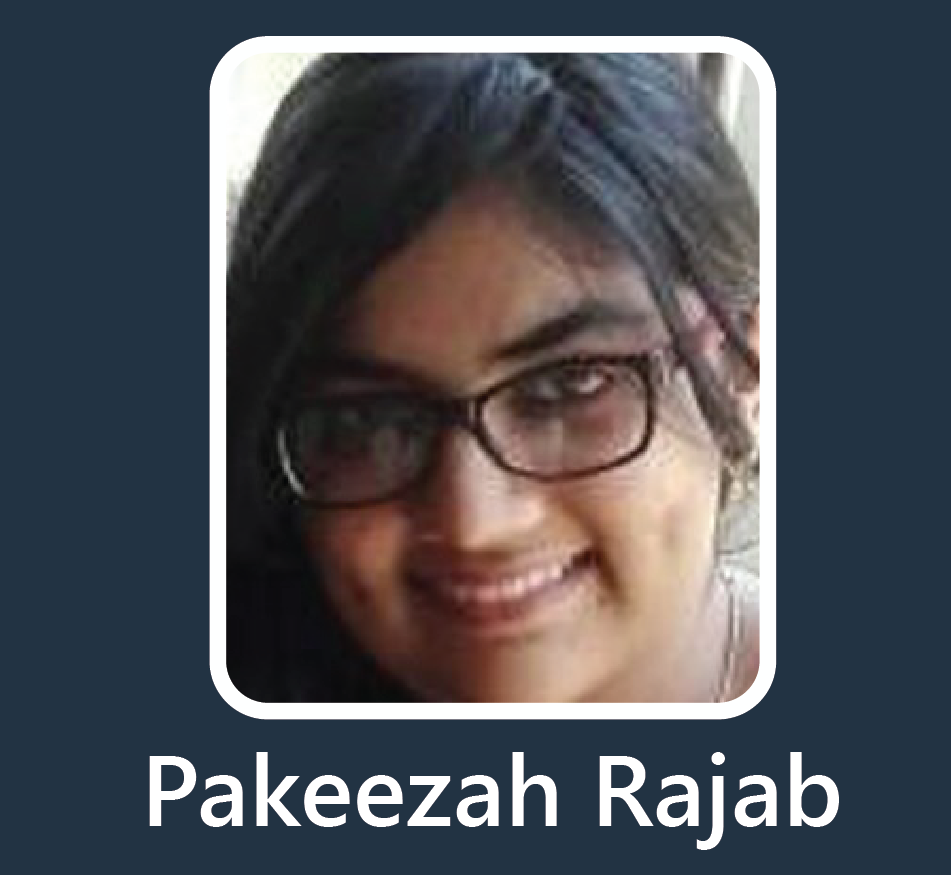
Pakeezah Rajab is a Product Specialist at JVR Psychometrics and a registered Research Psychologist and Psychometrist. She is also an executive member (secretary) of the Psychological Society of South Africa’s Division for Research and Methodology. Since qualifying as Psychometrist in 2016, she has gained experience with clients working in several contexts, including schools, private practice, higher education, and corporate environments. She has worked on several projects that developed, validated and/or standardised various assessments for use by the South African population – including aptitude, personality, values, career guidance and emotional intelligence. Her research interests include measuring cognitive potential, motivational drivers and assessment development. 

 Rekha Kangokar Rama Rao is a registered counsellor in private practice and is currently accepted into the M.A. Community-Based Counselling psychology program at the University of Witswatersrand. She is actively involved in the community, applying the skills and knowledge acquired through academics and experience in life. Her interests are in trauma-related affect that the communities grapple with, especially focusing on masculinity in the South African context.

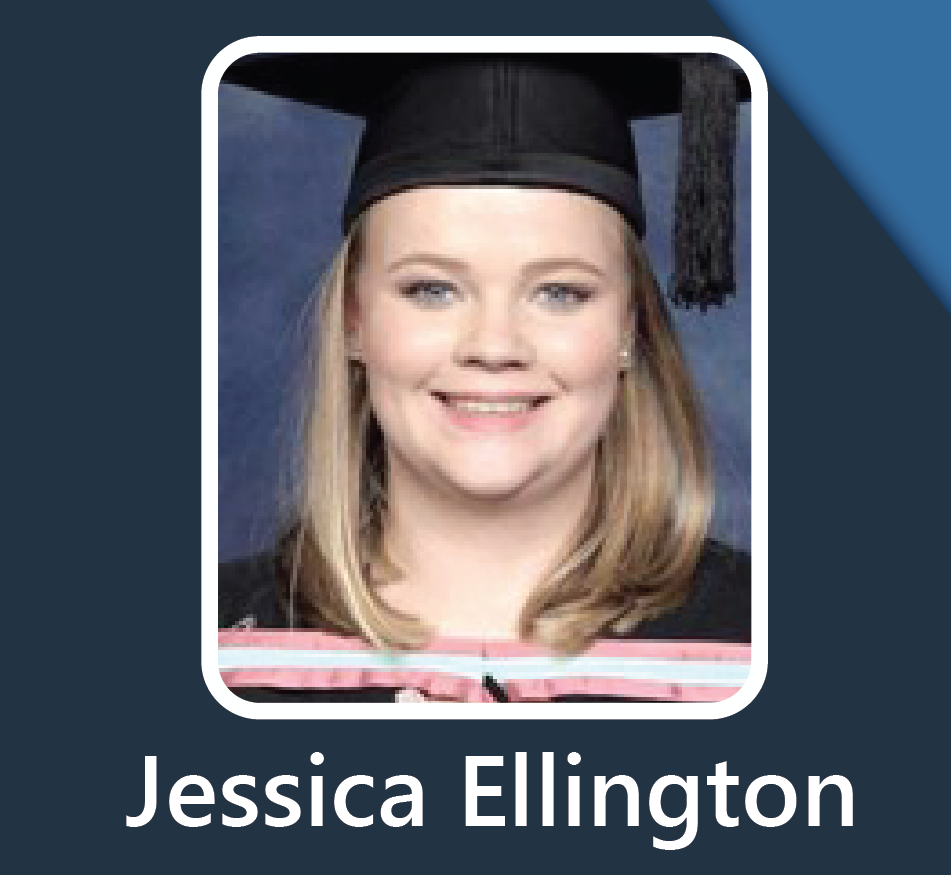
 Jessica Ellington has recently completed her HPCSA board exam in Registered Counselling and graduated from the South African College of Applied Psychology (SACAP). Jessica completed her undergraduate degree from Monash, South Africa, in 2018 with a double major in Psychology and Criminology. Jessica has experience providing counselling and psychometrics for university students. She is particularly interested in psychoeducation, psychosocial wellbeing, career counselling and psychometrics, specifically for teenagers and young adults. She hopes to complete her master’s in counselling psychology in the future after working in the field as a Registered Counsellor.

Dr. Sipho Dlamini is a senior lecturer at the University of Johannesburg’s Department of Psychology. He is also a registered counselling psychologist. Dr. Dlamini serves on the board for the journal Psychology in Society as an associate editor, he also serves as the vice-chair for the South African Association of Counselling Psychologists (SAACP) and the executive of the Psychological Society of South Africa (PsySSA) as an additional member. His research interests include Africa(n)-centred psychologies, the history and philosophy of psychology, community psychology, the training of psychologists, and critical race theories.

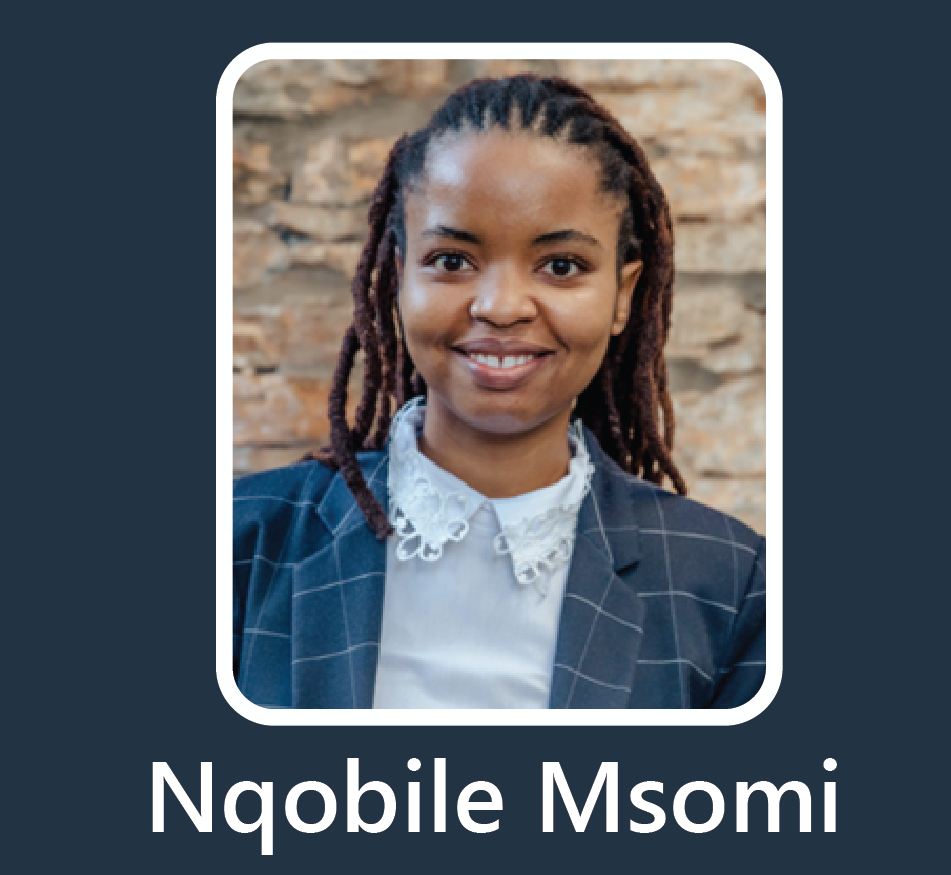
 Nqobile Msomi is a counselling psychologist and lecturer at Rhodes University. She co-ordinates Rhodes University’s Psychology Clinic, a community-based training institution for counselling and clinical psychologists. Msomi espouses a situated psychology and concerns herself with ways to move towards practice, teaching and research informed by the values and principles of community and Africa(n)-centred psychologies. She is a PhD candidate and has partnered with a local education focused non-governmental organisation for her case study research.

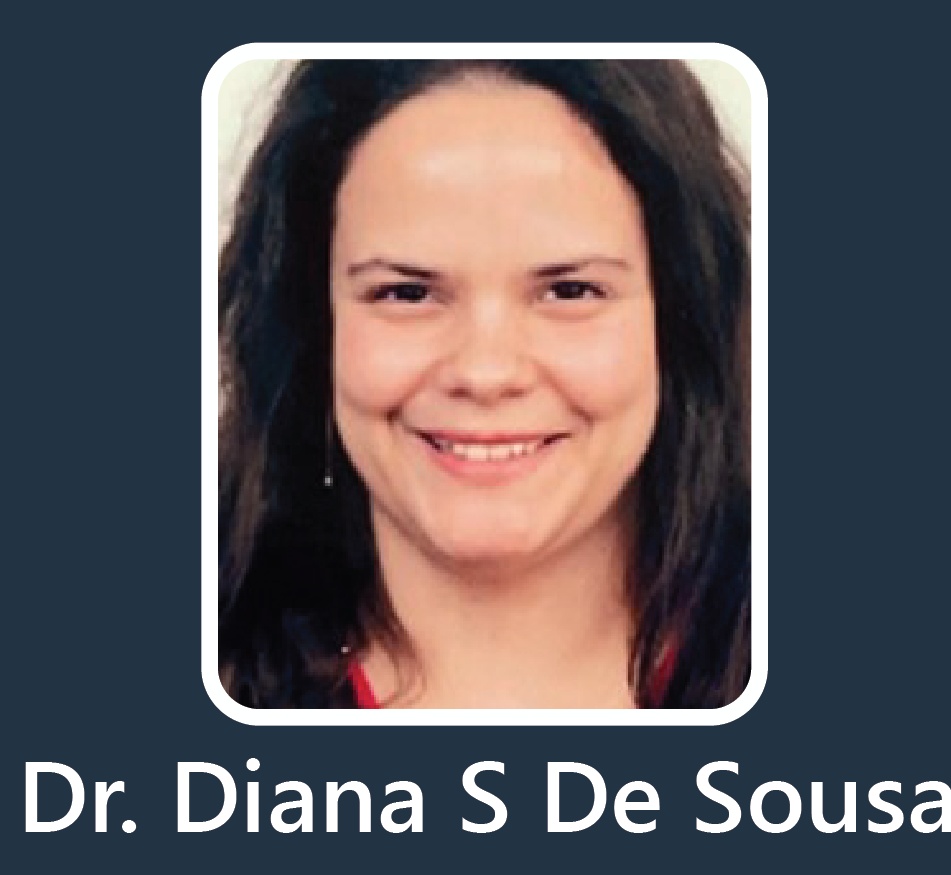
Dr. Diana Soares De Sousa is an Educational Psychologist, Research Psychologist and Registered Counsellor registered with the Health Professions Council of South Africa (HPCSA). She works therapeutically with both adults and children to enhance both their learning and their ability to successfully navigate the world. She is the Head of Academic Standards and Quality Assurance and the Chair of SACAP’s Research and Ethics Committee at the South African College of Applied Psychology (SACAP). Dr De Sousa currently serves on the Executive Committee of the Society of Educational Psychologists of South Africa (SEPSA) of the Psychological Society of South Africa (PsySSA), has previously served on the Executive Committee of PsySSA, and is the past Chair of the Registered Counsellor and Psychometry Division of PsySSA.