Board Exam Preparation Workshop 2023
Board Exam Preparation Workshop 2023

About this workshop
Join us on Zoom as we unpack the Board Exam!
Recognising the importance of being adequately prepared for the board exam of the registration categories as the final phase of training. Three divisions at the Psychological Society of South Africa (PsySSA), the Division of Registered Counsellors and Psychometrists (RCP), Society for Educational Psychology South Africa (SEPSA), and South African Association of Counselling Psychologists (SAACP) are presenting a workshop on board exam preparation. The workshop will cover generally the Mental Health Care Act, the National Health Act more generally as it pertains to the three registration categories. The workshop will then cover category related issues that may appear in the board exam, including ethics, referrals, and cases.
PRESENTERS

Pakeezah Rajab
Presenter
Bio
Pakeezah Rajab is a Product Specialist at JVR Psychometrics and a registered Research Psychologist and Psychometrist. She is also an executive member (secretary) of the Psychological Society of South Africa’s Division for Research and Methodology. Since qualifying as Psychometrist in 2016, she has gained experience with clients working in several contexts, including schools, private practice, higher education, and corporate environments. She has worked on several projects that developed, validated and/or standardised various assessments for use by the South African population – including aptitude, personality, values, career guidance and emotional intelligence. Her research interests include measuring cognitive potential, motivational drivers and assessment development.

Dr. Sipho Dlamini
Presenter
Bio
Dr. Sipho Dlamini is a senior lecturer at the University of Johannesburg’s Department of Psychology. He is also a registered counselling psychologist. Dr. Dlamini serves on the board for the journal Psychology in Society as an associate editor, he also serves as the chair for the South African Association of Counselling Psychologists (SAACP). His research interests include Africa(n)-centred psychologies, the training of psychologists, the history and philosophy of psychology, community psychology, and critical race theories.
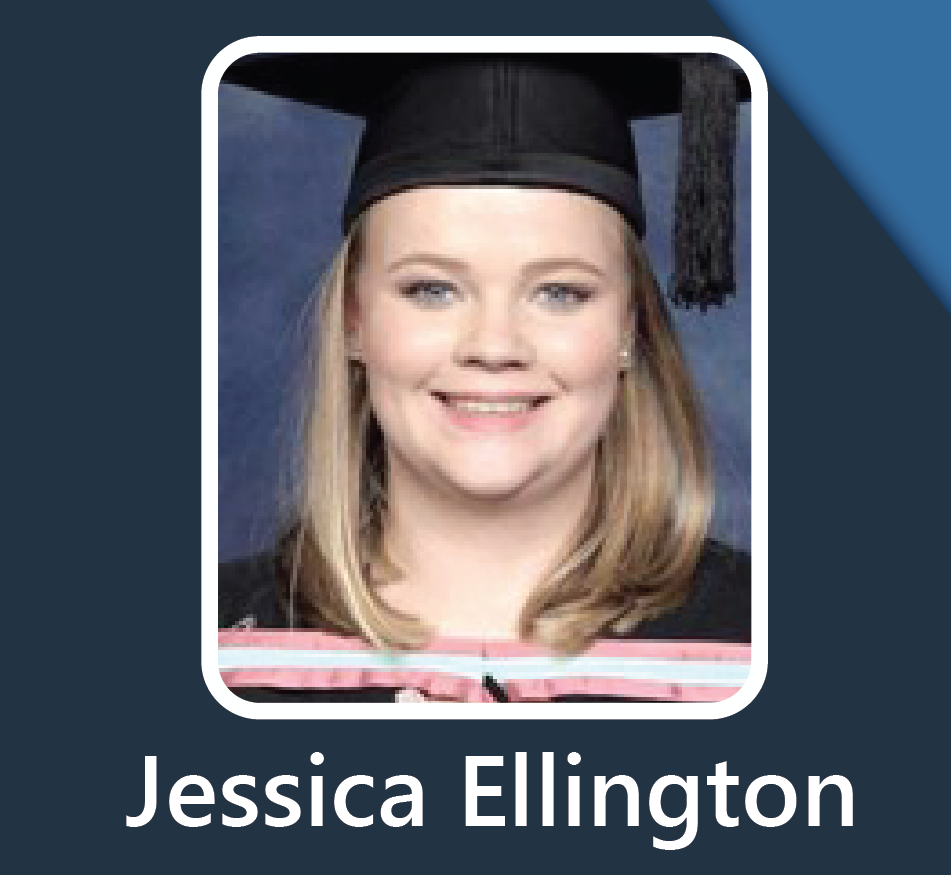
Jessica Ellington
Presenter
Bio
Jessica Ellington has recently completed her HPCSA board exam in Registered Counselling and graduated from the South African College of Applied Psychology (SACAP). Jessica completed her undergraduate degree from Monash, South Africa, in 2018 with a double major in Psychology and Criminology. Jessica has experience providing counselling and psychometrics for university students. She is particularly interested in psychoeducation, psychosocial wellbeing, career counselling and psychometrics, specifically for teenagers and young adults. She hopes to complete her master’s in counselling psychology in the future after working in the field as a Registered Counsellor.
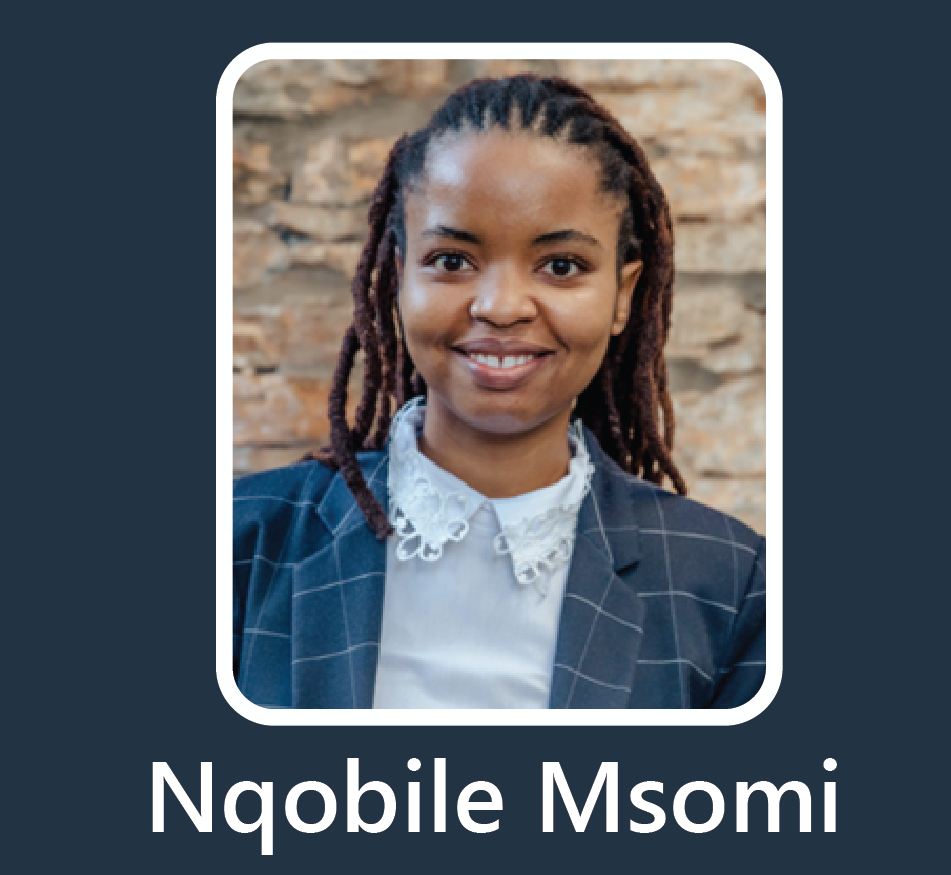
Nqobile Msomi
Presenter
Bio
Nqobile Msomi is a counselling psychologist and lecturer at Rhodes University. She co-ordinates Rhodes University’s Psychology Clinic, a community-based training institution for counselling and clinical psychologists. Msomi espouses a situated psychology and concerns herself with ways to move towards practice, teaching and research informed by the values and principles of community and Africa(n)-centred psychologies. She is a PhD candidate and has partnered with a local education focused non-governmental organisation for her case study research.
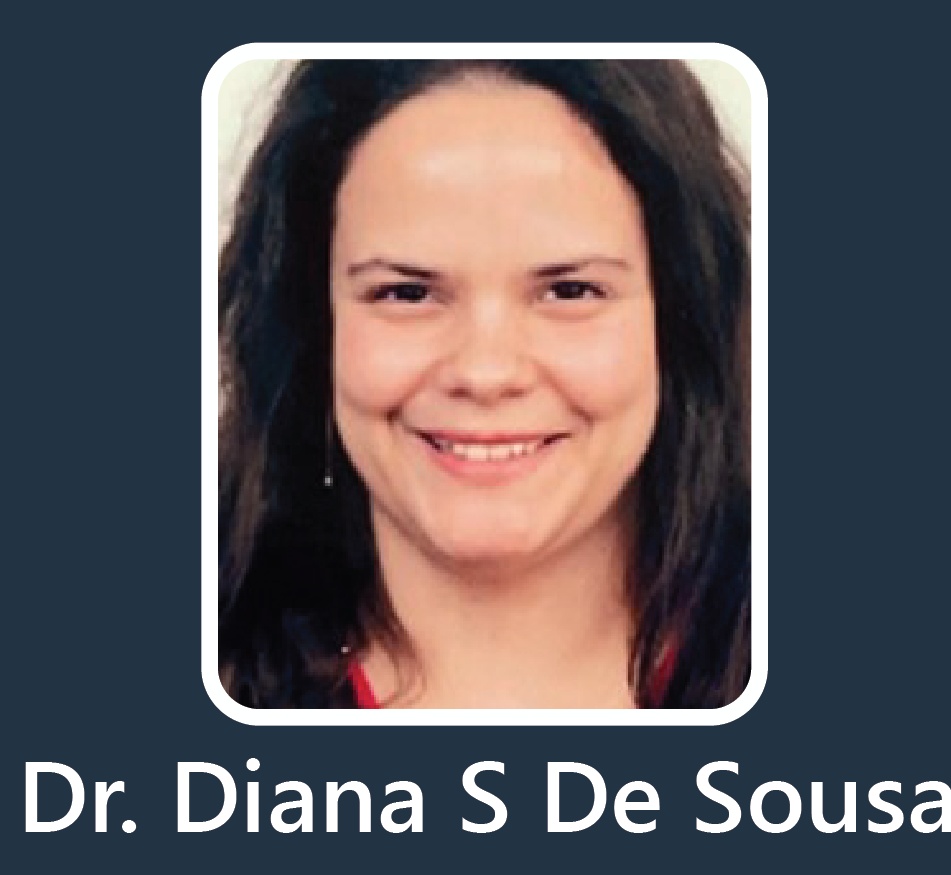
Dr. Diana Soares De Sousa
Presenter
Bio
Dr. Diana Soares De Sousa is an Educational Psychologist, Research Psychologist and Registered Counsellor registered with the Health Professions Council of South Africa (HPCSA). She works therapeutically with both adults and children to enhance both their learning and their ability to successfully navigate the world. She is the Head of Academic Standards and Quality Assurance and as the Chair of SACAP’s Research and Ethics Committee at the South African College of Applied Psychology (SACAP). Her PhD in the cognitive neuropsychology of language and cognition provides a framework to integrate language, cognitive and behavioural functioning in school-age children to educate and treat children who are struggling with literacy achievement due to unique cognitive or emotional vulnerabilities. She holds a double masters, both Cum Laude, one in Research Psychology from the University of the Witwatersrand and another in Educational Psychology, from the University of Johannesburg. She also holds a Bachelor of Applied Psychology in Applied Psychology/BPsychEquiv (Cum Laude), and a Bachelor of Arts (Psychology and Linguistics) both from the University of the Witwatersrand. Diana’s research and teaching interests are situated at the intersection of cognitive-neuropsychology, educational psychology, developmental psychopathology, and psychological assessment. Diana currently serves on the Executive Committee of the Society of Educational Psychologists of South Africa (SEPSA) of the Psychological Society of South Africa (PsySSA), has previously served on the Executive Committee of PsySSA, and is the past Chair of the Registered Counsellor and Psychometry Division of PsySSA.