ASSA Launch Invitation

ASSA Launch Invitation

ASSA has been established as an independent non-regulatory external assessments evaluation body working collaboratively with the assessment industry and the professional organisations in South Africa to assist in implementing a robust, best practice and technology enabled process that can be used to review people assessment instruments and tests.  Based on the experience in other countries the voluntary submission of assessment instruments for objective evaluation and reviews will raise the general standard and awareness of using quality tests.

ASSA would like to extend an invitation to all interested individuals and relevant stakeholders to an official launch on:

Date: 23rd June 2022

Time: 18:00-19:30

Venue: Zoom online link

Programme:

  • Welcome
  • Introduction to ASSA: Vision, mission and role
  • Role of the Professional Board of Psychology in test classification
  • Message from ATP
  • Message from PsySSA
  • Message from SIOPSA
  • Message from ITC

We look forward to your attendance and welcome comments and questions during the session.

Board Exam Preparation Workshop 2022

Board Exam Preparation Workshop 2022

About this workshop:

Recognising the importance of being adequately prepared for the board exam of the registration categories as the final phase of training. Three divisions at the Psychological Society of South Africa (PsySSA), the Division of Registered Counsellors and Psychometrists (RCP), Society for Educational Psychology South Africa (SEPSA), and South African Association of Counselling Psychologists (SAACP) are presenting a workshop on board exam preparation. The workshop will cover generally the Mental Health Care Act, the National Health Act more generally as it pertains to the three registration categories. The workshop will then cover category related issues that may appear in the board exam, including ethics, referrals, and cases.

Link for this Workshop

21 May 2022
Join the zoom meeting

Board Exam Preparation Workshop 2022

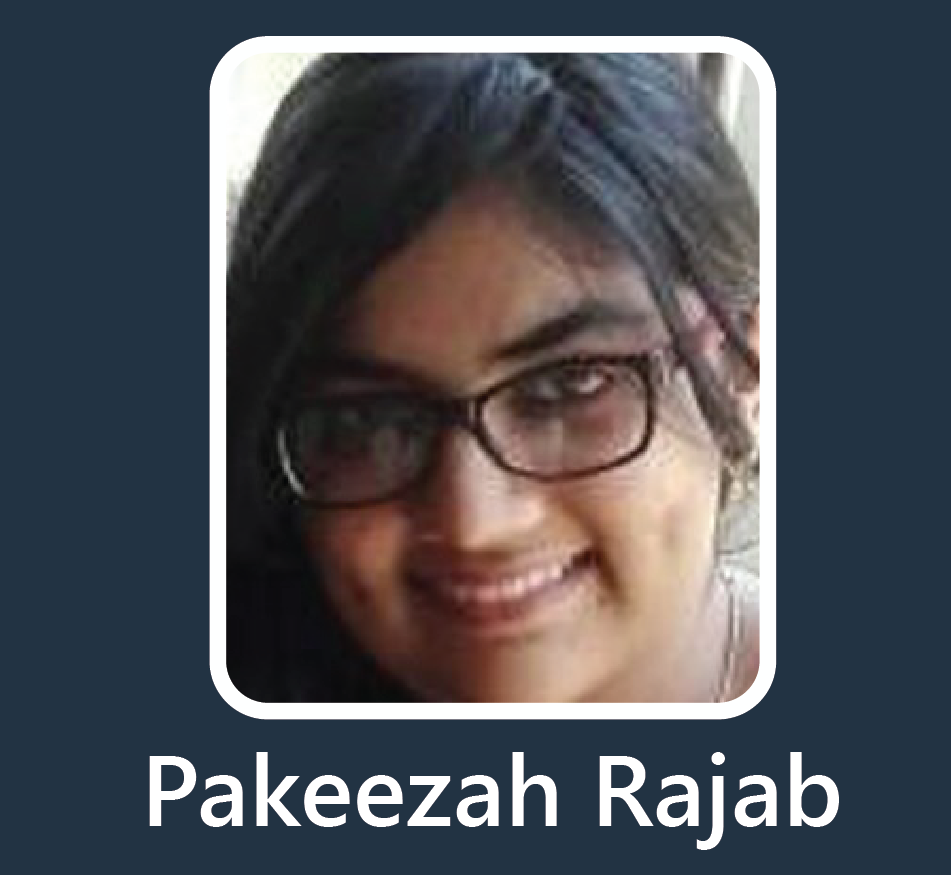
Pakeezah Rajab is a Product Specialist at JVR Psychometrics and a registered Research Psychologist and Psychometrist. She is also an executive member (secretary) of the Psychological Society of South Africa’s Division for Research and Methodology. Since qualifying as Psychometrist in 2016, she has gained experience with clients working in several contexts, including schools, private practice, higher education, and corporate environments. She has worked on several projects that developed, validated and/or standardised various assessments for use by the South African population – including aptitude, personality, values, career guidance and emotional intelligence. Her research interests include measuring cognitive potential, motivational drivers and assessment development. 

 Rekha Kangokar Rama Rao is a registered counsellor in private practice and is currently accepted into the M.A. Community-Based Counselling psychology program at the University of Witswatersrand. She is actively involved in the community, applying the skills and knowledge acquired through academics and experience in life. Her interests are in trauma-related affect that the communities grapple with, especially focusing on masculinity in the South African context.

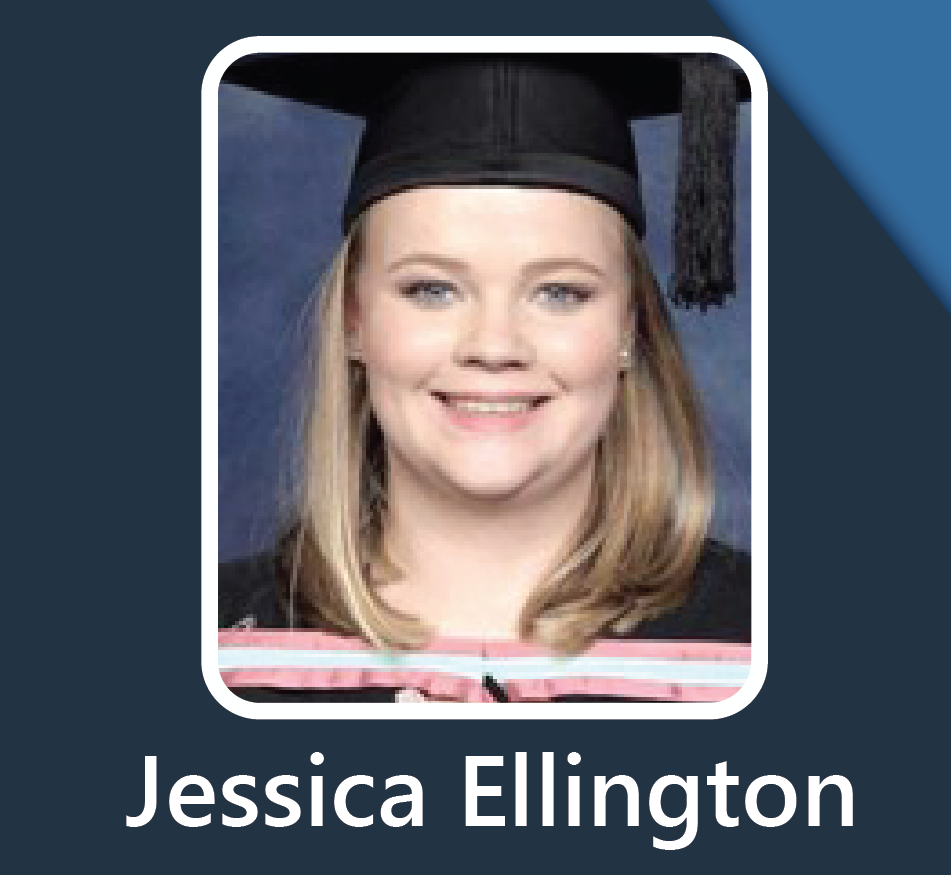
 Jessica Ellington has recently completed her HPCSA board exam in Registered Counselling and graduated from the South African College of Applied Psychology (SACAP). Jessica completed her undergraduate degree from Monash, South Africa, in 2018 with a double major in Psychology and Criminology. Jessica has experience providing counselling and psychometrics for university students. She is particularly interested in psychoeducation, psychosocial wellbeing, career counselling and psychometrics, specifically for teenagers and young adults. She hopes to complete her master’s in counselling psychology in the future after working in the field as a Registered Counsellor.

Dr. Sipho Dlamini is a senior lecturer at the University of Johannesburg’s Department of Psychology. He is also a registered counselling psychologist. Dr. Dlamini serves on the board for the journal Psychology in Society as an associate editor, he also serves as the vice-chair for the South African Association of Counselling Psychologists (SAACP) and the executive of the Psychological Society of South Africa (PsySSA) as an additional member. His research interests include Africa(n)-centred psychologies, the history and philosophy of psychology, community psychology, the training of psychologists, and critical race theories.

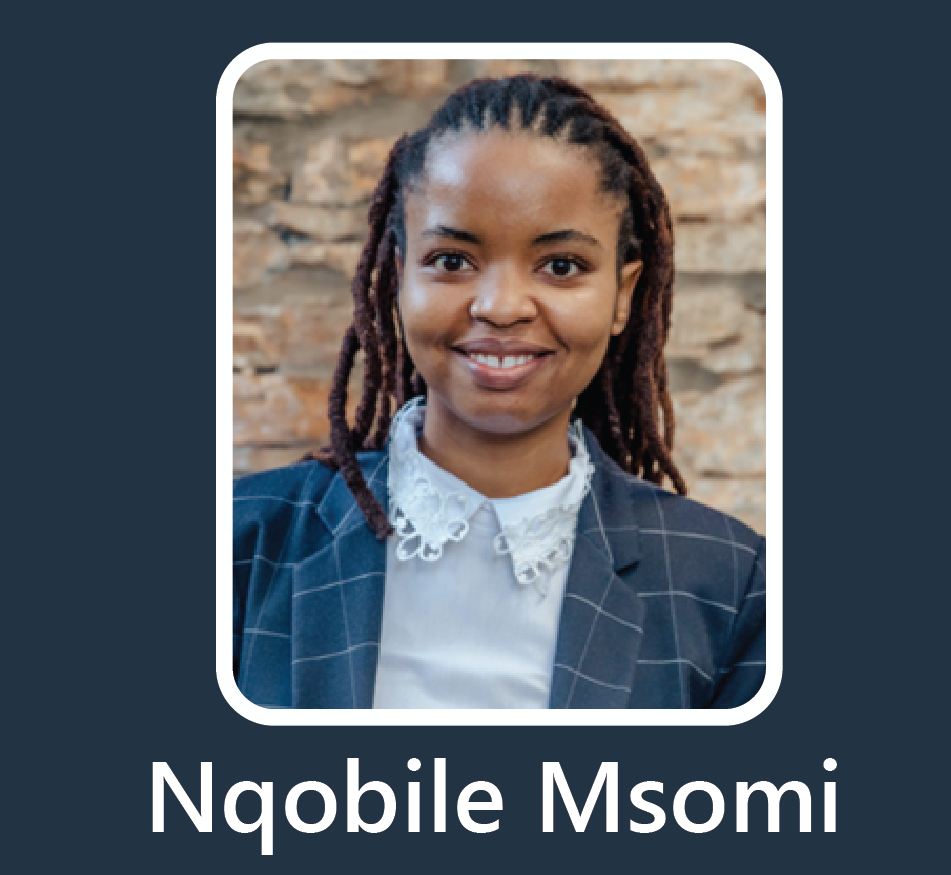
 Nqobile Msomi is a counselling psychologist and lecturer at Rhodes University. She co-ordinates Rhodes University’s Psychology Clinic, a community-based training institution for counselling and clinical psychologists. Msomi espouses a situated psychology and concerns herself with ways to move towards practice, teaching and research informed by the values and principles of community and Africa(n)-centred psychologies. She is a PhD candidate and has partnered with a local education focused non-governmental organisation for her case study research.

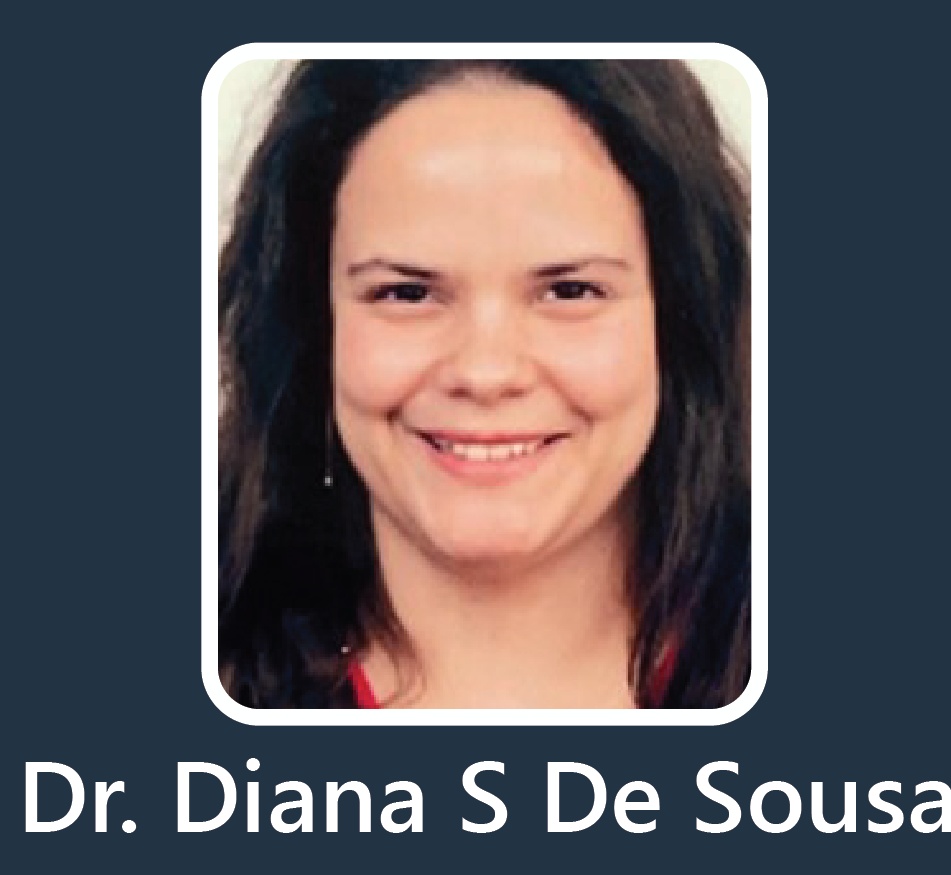
Dr. Diana Soares De Sousa is an Educational Psychologist, Research Psychologist and Registered Counsellor registered with the Health Professions Council of South Africa (HPCSA). She works therapeutically with both adults and children to enhance both their learning and their ability to successfully navigate the world. She is the Head of Academic Standards and Quality Assurance and the Chair of SACAP’s Research and Ethics Committee at the South African College of Applied Psychology (SACAP). Dr De Sousa currently serves on the Executive Committee of the Society of Educational Psychologists of South Africa (SEPSA) of the Psychological Society of South Africa (PsySSA), has previously served on the Executive Committee of PsySSA, and is the past Chair of the Registered Counsellor and Psychometry Division of PsySSA.

Scientists’ Open Letter for the Marine Arctic Peace Sanctuary

Scientists’ Open Letter for the Marine Arctic Peace Sanctuary

Dear PsySSA member,

We are reaching out to you as volunteers for the Parvati Foundation, a nonprofit that urges people around the world pay attention to the crisis in the Arctic Ocean that affects all life on Earth. As the Arctic ice vanishes and the global consequences multiply, there is still a window of opportunity to avert total catastrophe. However, an immediate response is required, measured in weeks and months rather than years. We believe this can be achieved through the Marine Arctic Peace Sanctuary (MAPS).

MAPS will safeguard the entire area north of the Arctic Circle as the world’s largest marine sanctuary. It prohibits commercial tourism, fishing, oil and gas activity, shipping, militarization and dumping of waste that destroys the sea ice, makes the permafrost disappear, reviving buried pathogens, and threatens to cause large scale methane eruptions. MAPS is the only initiative to include protection of the coastal waters where the majority of exploitation takes place. The science is clear that protecting the Arctic High Seas is not enough to protect life on Earth. As Yvo de Boer, Former Executive Secretary of the United Nations Framework Convention on Climate Change, says, “MAPS is the only sane choice for the critically vulnerable Arctic ecosystem, for the sake of our seas, our atmosphere and all life.”

We urgently need scientists from all disciplines including students to join us in educating the public about this emergency, so we can mobilize world leaders and the public to protect the Arctic Ocean and our shared future. We must help shine a light on the irrefutable scientific evidence showing that MAPS is essential.

With this in mind, we are now circulating an Open Letter to be endorsed by scientists and students to voice their support of MAPS


We hope that you add your name to the letter and  join the growing number of influential scientists, including 20 Nobel Laureates that have recently signed it.  Please share the Open Letter within your network.

Thank you for supporting a health world! 

Sincerely,

Kaya Agu – MAPS Ambassador


PsySSA Roundtable: Suicide in South Africa: An Intersectional Dialogue – Q&A Follow Up

PsySSA Roundtable: Suicide in South Africa: An Intersectional Dialogue – Q&A Follow Up

Meet our Facilitator & Panellists!

Mr Suntosh Pillay – Facilitator 

Suntosh R. Pillay is a clinical psychologist at King Dinuzulu Hospital Complex, in Durban, where he has run individual and group psychotherapy services for over ten years. He is affiliated to the College of Health Sciences at the University of KwaZulu-Natal and is involved in a diverse range of academic projects related to psychosocial health, using a critical, decolonial, and community psychology lens. He is a researcher in the African LGBTI+ Human Rights Project and serves on the Council of the Psychological Society of South Africa (PsySSA). In 2015, he co-founded the KwaZulu-Natal Mental Health Advocacy Group, an open and collaborative space that continues to host an annual symposium, free community forums, and an anti-stigma awareness walk in the province. He is on Twitter @suntoshpillay.

Ms Cassey Chambers – Operations Director, SADAG

Cassey started at The South African Depression and Anxiety Group (SADAG) as a volunteer telephone counsellor in the call center helping to man the Suicide Crisis Helpline over 15 years ago. Later she ran the Call Center and Press, and currently is Operations Director and Board Member. Cassey represents SADAG at national and international conferences, various press and media interviews, workshops and advocacy projects to help fight for patients’ rights and destigmatize mental health across the country. Focusing on various projects including Teen Suicide Prevention School Programme, Rural Outreach Projects, Support Groups, Responsible Reporting initiatives with press and media, Mental Health in the Workplace and recent advocacy projects including the Life Esidimeni crisis and Medical Aids.

Ms Glynis HorningFreelance Writer

Glynis Horning is an award-winning freelance writer whose assignments have taken her from the townships of apartheid South Africa to the Rwandan refugee camps in Zaire, from the Amazon jungle to ice floes in Patagonia. Horning is the recipient of the Discovery Health Journalism Award for Best Health Consumer Reporting and Feature Writing, the Pfizer Mental Health Journalism Award and a Rosalynn Carter Fellowship for Mental Health Journalism. She was Galliova Health Writer of the Year in 2017, 2019, 2020 and 2021. Nothing could have prepared her for the loss of her son at 25. She lives in Durban with her husband Chris and son Ewan.

Mx Saya Pierce-JonesJournalist

Saya Pierce-Jones is an award-winning Cape Town based journalist, a queer activist and environmental campaigner. Her passion is in social justice, ending period poverty and promoting sexual and mental health awareness for all South Africans. Following nearly a decade of covering some of the most gruesome incidents of crime, sexual abuse, oppression and failures within government entitites, she has now also become a law student and hopes to one day practice in the field of social justice. Personally, she is also a survivor of GBV and has been diagnosed with clinical depression and anxiety, and is a survivor of suicidal ideation/experimentation. Saya believes in honest discourse around these issues, so as to address the shortfalls, end the stigma and promote access to life-saving health care

Dr Sebo SeapeSASOP President

Dr Seape is the first Female Black Psychiatrist in South Africa, she is currently in Private Practice in Johannesburg (Parktown), with nearly 30 years of experience; and in that time,
she has had significant contributions in the increase in mental health awareness and comprehension in both marginalised communities and the private sector. She has a passion for community education and raising cognizance surrounding mental health issues and has been an enabler of the growth observed in Soweto Private clinics; wherein hospital beds grew from accommodating 18 to 50 patients. She has also been involved in various media platforms including Media Talks, and engagements with the government and the Council of Medical Schemes; to improve the structuring of health services and benefits. She was appointed as the first Psychiatrist at Tshepo Themba Private Clinic. She is the past chair of the Psychiatry Management Group and president of the South African Society of Psychiatry (SASOP).

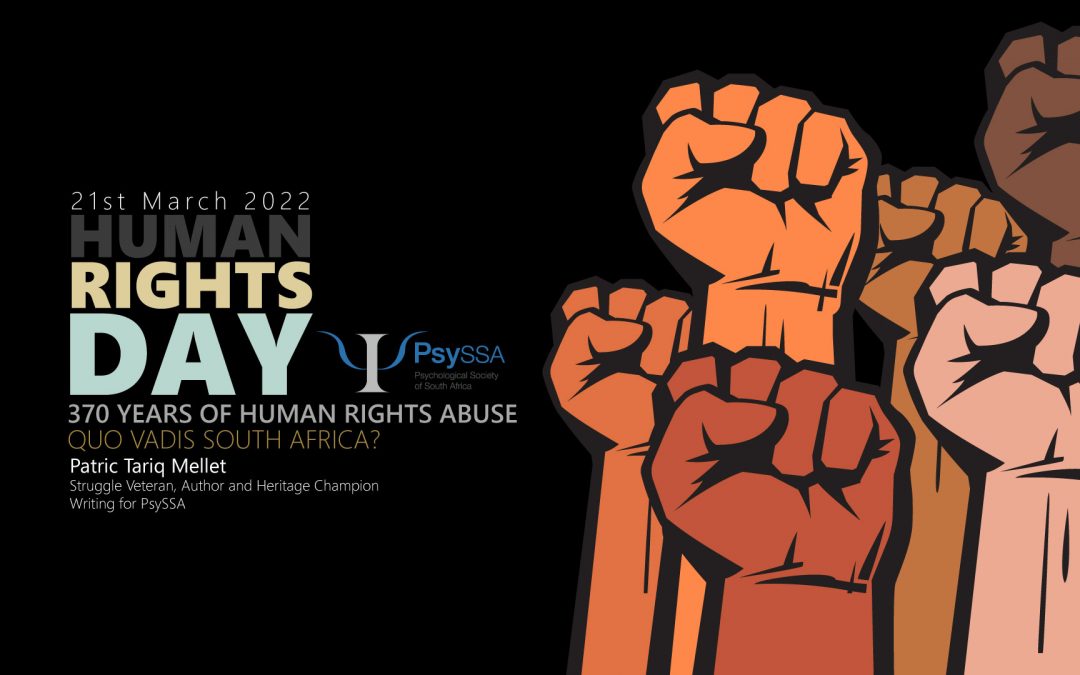
370 YEARS OF HUMAN RIGHTS ABUSE – QUO VADIS SOUTH AFRICA?

370 YEARS OF HUMAN RIGHTS ABUSE – QUO VADIS SOUTH AFRICA?

370 YEARS OF HUMAN RIGHTS ABUSE – QUO VADIS SOUTH AFRICA?

Over 370 years South Africans experienced 19 wars of land dispossession. San populations were reduced to just a few thousand people with most social formations totally wiped out through genocide. Among others, the Khoe and AmaXhosa peoples’ social, economic, and cultural life was severely disrupted by ethnocide.

For over 200 years we had the system of slavery where over 78 000 people were relocated from over 105 locations in Africa and Asia. Their successive generations of descendants were also enslaved, dehumanised, exploited, and subjected to violent abuse. Following this was indentured labour, migrant labour and labour brokering systems – new forms of trafficking and slavery.

A devastating war between two colonial factions negatively impacted the majority black population, and a new country – the Union of South Africa – was declared without consultation with 90% of the population. Social engineering resulted in over 140 African societies being forced to assimilate into 10 national groups classified as Natives or Bantu/Black, and 7 groups classified as Coloured, which still have negative polarising effects today.

The system of Apartheid followed. It declared that those classified as Black had no citizenship of South Africa, only of Bantustans in 13% of the territory. Those classified as Coloured were stripped of their African birth-rights and relegated to sojourner citizenship sans rights. An Apartheid police and militarised state terrorised people into submission – including continuous massacres – Sharpeville in the 1960s, the killings in the national youth protests in 1976/77, and brutal suppressions of protest in the 1980s. Banning of opposition political organisations, detention without trial, imprisonment of political opponents, death squad murders, and torture and death in detention, as well as widespread military aggression in neighbouring states defined over 30 years into the early 1990s.

Today the generationally transmitted trauma of past crimes against humanity, the highest forms of human rights abuse, still haunts and ravages our society. It is this chain of human rights abuses, still denied by the economically powerful white minority, together with the post 1994 continued use of Apartheid frameworks, which challenges us today. Pouring new wine into old Apartheid wineskins, and endemic corruption by a new Political Estate, resulting in atrocities like the Marikana Massacre, Life Esidimeni tragedy, Xenophobic attacks, politicians stealing finances meant to reduce poverty, and politicians’ actions that resulted in 342 deaths in the July 2021 social explosion – gives cause to reflect.

Astronomical unemployment, social depravation, homelessness, and ghetto built-environments next to palatial personal infrastructure and bling lifestyles of a new elite demands new thinking on human rights abuse in 21st century South Africa. The vortex of current human rights abuses and trauma, built on the old, has many asking – “Quo Vadis South Africa?”

In celebrating Human Rights Day, 21st March 2022, we have much cause to reflect, but even greater cause to act to halt cultures perpetuating human rights abuse. A direct corelation exists today between behaviours of the political and corporate elite, and the state of the poor whose basic human rights are being violated on a grand scale.

PATRIC TARIQ MELLET

STRUGGLE VETERAN, AUTHOR, AND HERITAGE CHAMPION