International Volunteer Day: Solidarity Through Volunteering

International Volunteer Day: Solidarity Through Volunteering

“In every community, there is work to be done. In every nation, there are wounds to heal. In every heart, there is the power to do it.” – Marianne Williamson

Written by Maryam Gangat [1]

International Volunteer Day is celebrated on the 5th of December every year by volunteers from across the globe. Each year, a theme is selected and celebrated in the spirit of spreading awareness and acknowledging the volunteers who are role models within their communities. The theme for this year, 2022 is: Solidarity Through Volunteering. The theme for this year encourages volunteers to work together within their communities in order to find common solutions for the countless inequalities that people experience throughout the globe.

The United Nations (UN) have emphasised the importance of volunteerism by articulating that it is one of the most vital delivery mechanisms for global transformation, and ensuring a lasting impact with its ability to change people’s mindsets, attitudes, and behaviours. Here are some ways in which you can advocate, spread awareness, and promote volunteerism in your community:

  1. Get involved in volunteer work

Advocacy begins with you. The best way to promote volunteerism in your community and to encourage it in others, is to work towards spreading awareness by supporting your community in various ways. Supporting a worthy cause in your community today, helps build a better world for tomorrow. By volunteering to take care of the environment, lending a hand at underprivileged schools, and passing on valuable skills to the youth, you can help to create a better future and set an example for future generations.

  1. Donate to a volunteer organization

If you are unable to physically volunteer your time or if you have the financial means to do so, donating to a volunteer organisation enables you to help underprivileged communities move towards living healthier, more productive lives. By donating money and other items, organizations can provide their services to the larger community and donated items can be used by individuals in your community who are need.

  1. Share your experiences

When people see and hear about how much volunteerism impacts their communities, it encourages them to volunteer. By educating the public on issues of concern and showing them how the contributions of others have changed things for the better, people become inspired to come together to assist their communities. By sharing and reflecting on your experiences of volunteering, it cultivates gratitude and creates a sense of belonging among individuals in a community.

  1. Demonstrate Genuine Need

Demonstrating genuine need among your community motivates people to volunteer and become more involved. When you create volunteer opportunities or make people aware of the opportunities that already exist within your community, it creates awareness and encourages advocacy. Many organisations rely on volunteers for their time and skills so that they can provide additional services or programs for the larger community. When communities become involved in finding solutions together, they are more likely to be feasible in the long term as they are more inclusive and people-centric.

  1. Create Opportunities

People are constantly moving into and away from communities. This means that the needs of your community are constantly changing and evolving which creates numerous opportunities for volunteerism.  By creating opportunities for individuals to volunteer within communities, it encourages individuals searching for new connections to come together, it promotes community-building and encourages a healthy culture of collaboration, friendliness, and open communication. Creating opportunities for volunteerism motivates individuals and creates a desire among individuals to have a real and tangible impact on one’s community.

In celebration of this year’s theme: Solidarity Through Volunteering, the PsySSA Student Division encourages all students to share their volunteer experiences and express their solidarity on social media using the hashtag #solidaritythroughvolunteering and #IVD2022.

[1] The Author writes in their capacity as a member of the Student Division of PsySSA (Psychological Society of South Africa) and the chairperson of Research into Student Empowerment.

PsySSA Thanks our 26th Congress Volunteers!

PsySSA Thanks our 26th Congress Volunteers!

PsySSA thanks our 26th Annual South African Psychology Congress for their effort, dedication and service to the Society and Congress.

See below their reflections on attending the Congress as emerging practitioners!

1. Priyanka Kisten, Honours in Psychology UKZN
Absolutely amazing first experience at the conference, so informative and interesting

2. Nobanzi Dlamini, BA Counselling Psychology UNISA
The event was an insightful wealth of knowledge and learning. It provided one with much needed connections and inspiration.

3. Naseeran Vally, BCom Honours in Industrial Psychology UNISA
It was a great first experience, very informative and a good opportunity to network.

4. Noor Ahmad, MA Psychology (Coursework and Research) University of Witwatersrand
The congress was very informative and a good opportunity to learn from and connect with seasoned professionals and psychologists in the field.

5. Raeesa Mathews, MCom Industrial/Organisational Psychology University of Cape Town
My experience at congress was very insightful and I am inspired to continue in the field of psychology more broadly (and not just in IOP)!

6. Ané Van Zyl, Bachelor of Psychology, SACAP.
I was up and down but I enjoyed every second, I loved the presentations and the delegates for the most part were great to have educational discussions with

7. Nicholas Nortier BA(Business Management and Psychology) SACAP PTA.
It was a privilege and an honour to attend such an event, grew both in knowledge and personally.

8. Valencia Kgadima BA(Hons) in Psychology UNISA.
The congress was very informative and I’ve learned a lot of things in different psychology field.

9. Boitumelo Motaung BSocSc (Psychology and Criminology) University of the Free State
It was an amazing and interesting 1st experience. Learning more about the study field was very informative

10. Lynne Richards Masters of Social of Social Science in Clinical Psychology, University of KwaZulu Natal.

The PsySSA congress is a pivotal event is the psychology calendar and it is an amazing opportunity for students. I am appreciative of the staff and speakers who are willing to give of their time to engage with myself and my colleagues. The opportunity for students to volunteers is invaluable.

11. Tanya Meyer Bachelor of Social Sciences Honours (Psychology) SACAP

The experience was inspiring as well as enlightening. One of the highlights of the experience was when I got to meet the authors of the books and journal articles I have been citing since undergrad.

12. Britney bengtson, BA Honours Psychology Varsity College Durban North – PsySSA Student Division Secretary 
Volunteering at the 26th annual PsySSA congress was not only an opportunity to assist PsySSA head office but in addition it was a wonderful opportunity to learn, connect, and be inspired by the great minds in psychology South Africa

13. Maryam Gangat, Psychology Honours Graduate University of KwaZulu-Natal – PsySSA Student Division Vice-Chairperson 
As a first time congress volunteer, attending the 26th Annual PsySSA Congress was a phenomenal experience. I had numerous opportunities to meet phenomenal, influential and truly inspirational professionals and have interacted with psychologists who have only fueled my passion for the field of psychology.

14. Bridgette Mogoje, Student Registered Counsellor (UKZN) – PsySSA Student Division Chairperson 
Volunteering at the 26th Annual South African Congress has afforded me an opportunity to truly reflect on the type of professional I would like to become and has broadened my perspective on the type of issues our communities are faced with. In between the volunteer work, we were able to interact with professionals who have done amazing work in the field and were willing to answer questions from students. I am grateful to PsySSA for affording us this opportunity to learn and be inspired!


PsySSA Commemorates Youth Day 2022 #UnmutedYouth

PsySSA Commemorates Youth Day 2022 #UnmutedYouth

This June, the PsySSA Student Division wants to amplify youth voices for social change in our social media campaign using a multimedia approach with the hashtag #UnmutedYouth. The hashtag #UnmutedYouth speaks to the theme of raising your voice against injustice as the youth of Soweto had done 46 years ago.

Join the PsySSA Student Division Youth Day Campaign by sending a picture with a 50-100-word caption or a 30 second video describing what it means to raise your voice against injustice and tag the Student Division and use the hashtag #UnmutedYouth.

See what Youth Day means to our Student Division Leadership below!

Board Exam Preparation Workshop 2022

Board Exam Preparation Workshop 2022

About this workshop:

Recognising the importance of being adequately prepared for the board exam of the registration categories as the final phase of training. Three divisions at the Psychological Society of South Africa (PsySSA), the Division of Registered Counsellors and Psychometrists (RCP), Society for Educational Psychology South Africa (SEPSA), and South African Association of Counselling Psychologists (SAACP) are presenting a workshop on board exam preparation. The workshop will cover generally the Mental Health Care Act, the National Health Act more generally as it pertains to the three registration categories. The workshop will then cover category related issues that may appear in the board exam, including ethics, referrals, and cases.

Link for this Workshop

21 May 2022
Join the zoom meeting

Board Exam Preparation Workshop 2022

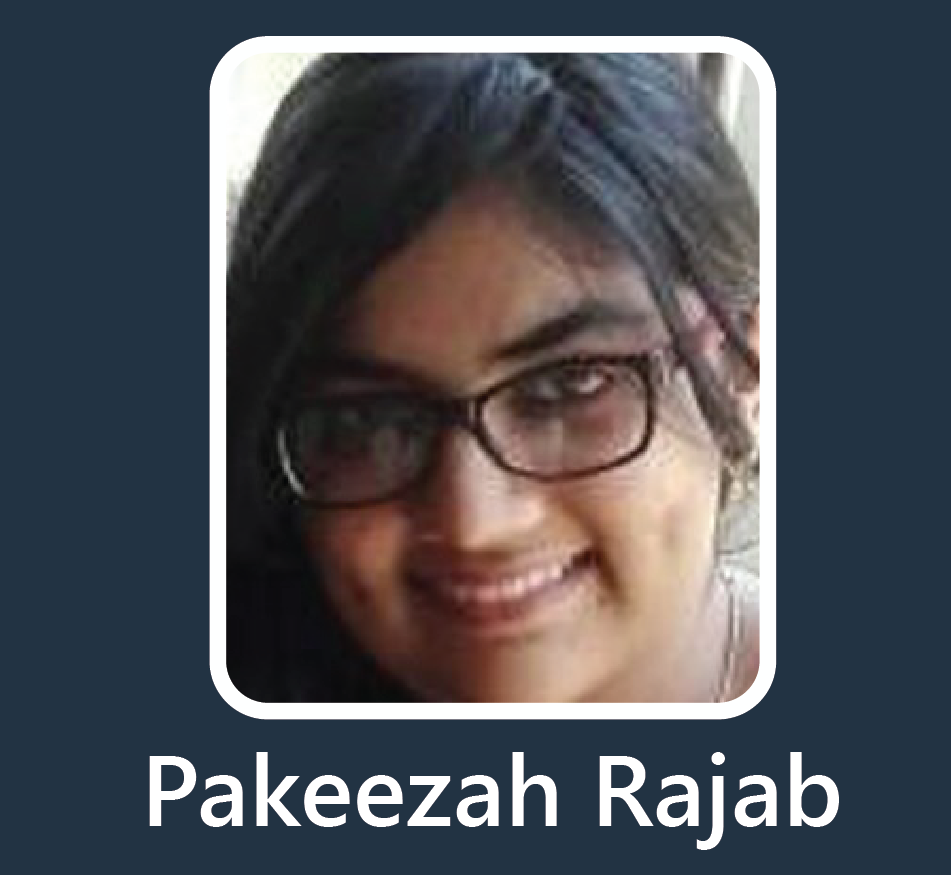
Pakeezah Rajab is a Product Specialist at JVR Psychometrics and a registered Research Psychologist and Psychometrist. She is also an executive member (secretary) of the Psychological Society of South Africa’s Division for Research and Methodology. Since qualifying as Psychometrist in 2016, she has gained experience with clients working in several contexts, including schools, private practice, higher education, and corporate environments. She has worked on several projects that developed, validated and/or standardised various assessments for use by the South African population – including aptitude, personality, values, career guidance and emotional intelligence. Her research interests include measuring cognitive potential, motivational drivers and assessment development. 

 Rekha Kangokar Rama Rao is a registered counsellor in private practice and is currently accepted into the M.A. Community-Based Counselling psychology program at the University of Witswatersrand. She is actively involved in the community, applying the skills and knowledge acquired through academics and experience in life. Her interests are in trauma-related affect that the communities grapple with, especially focusing on masculinity in the South African context.

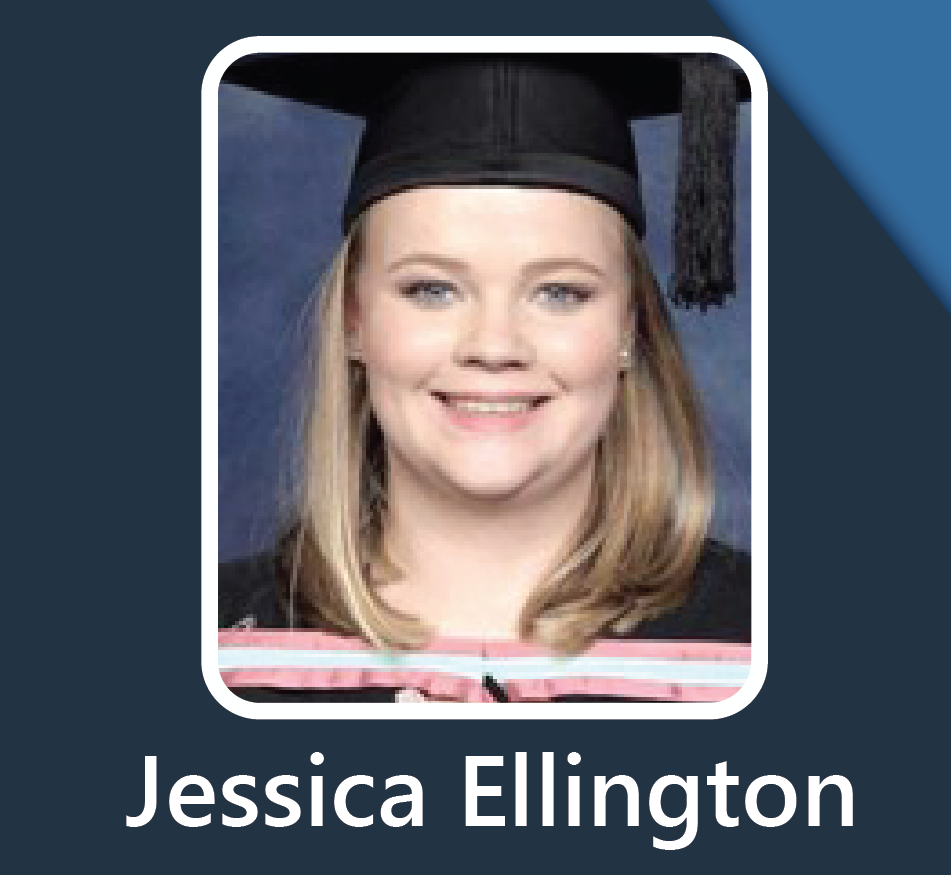
 Jessica Ellington has recently completed her HPCSA board exam in Registered Counselling and graduated from the South African College of Applied Psychology (SACAP). Jessica completed her undergraduate degree from Monash, South Africa, in 2018 with a double major in Psychology and Criminology. Jessica has experience providing counselling and psychometrics for university students. She is particularly interested in psychoeducation, psychosocial wellbeing, career counselling and psychometrics, specifically for teenagers and young adults. She hopes to complete her master’s in counselling psychology in the future after working in the field as a Registered Counsellor.

Dr. Sipho Dlamini is a senior lecturer at the University of Johannesburg’s Department of Psychology. He is also a registered counselling psychologist. Dr. Dlamini serves on the board for the journal Psychology in Society as an associate editor, he also serves as the vice-chair for the South African Association of Counselling Psychologists (SAACP) and the executive of the Psychological Society of South Africa (PsySSA) as an additional member. His research interests include Africa(n)-centred psychologies, the history and philosophy of psychology, community psychology, the training of psychologists, and critical race theories.

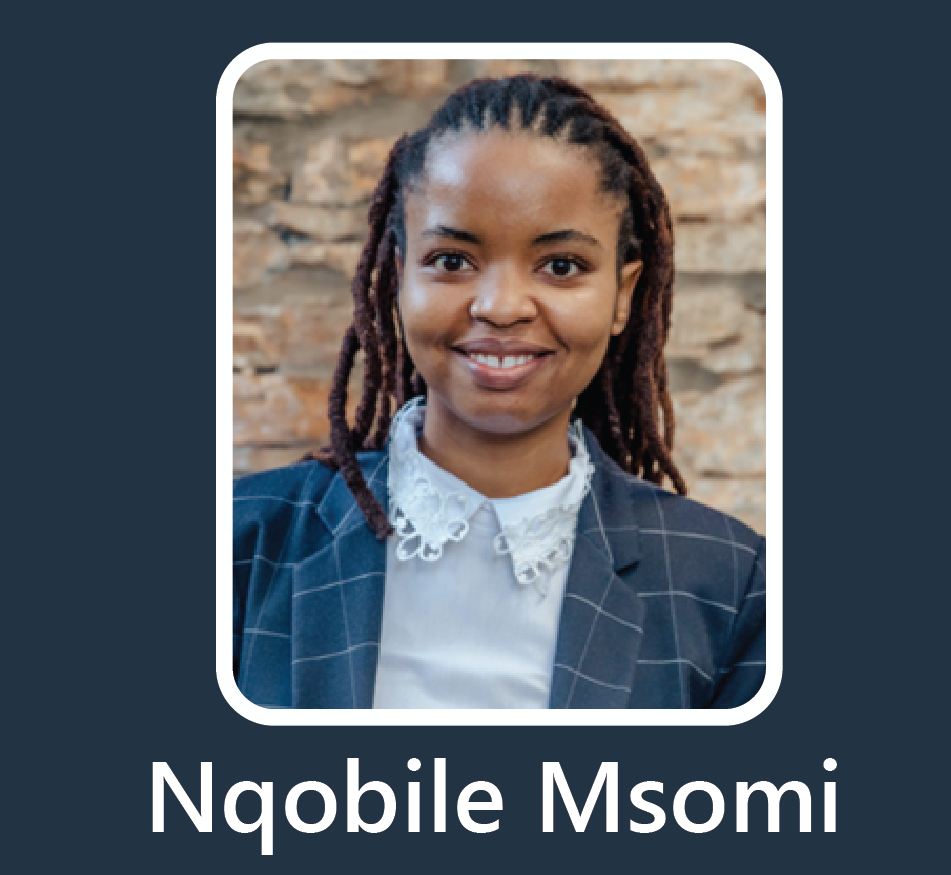
 Nqobile Msomi is a counselling psychologist and lecturer at Rhodes University. She co-ordinates Rhodes University’s Psychology Clinic, a community-based training institution for counselling and clinical psychologists. Msomi espouses a situated psychology and concerns herself with ways to move towards practice, teaching and research informed by the values and principles of community and Africa(n)-centred psychologies. She is a PhD candidate and has partnered with a local education focused non-governmental organisation for her case study research.

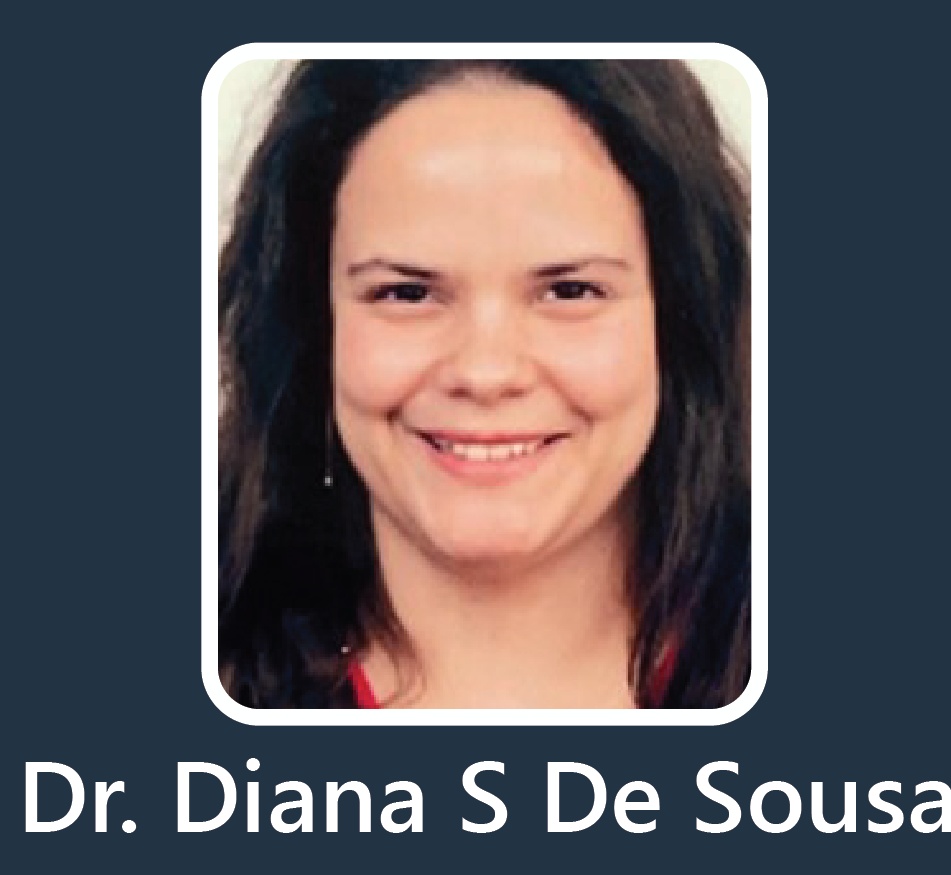
Dr. Diana Soares De Sousa is an Educational Psychologist, Research Psychologist and Registered Counsellor registered with the Health Professions Council of South Africa (HPCSA). She works therapeutically with both adults and children to enhance both their learning and their ability to successfully navigate the world. She is the Head of Academic Standards and Quality Assurance and the Chair of SACAP’s Research and Ethics Committee at the South African College of Applied Psychology (SACAP). Dr De Sousa currently serves on the Executive Committee of the Society of Educational Psychologists of South Africa (SEPSA) of the Psychological Society of South Africa (PsySSA), has previously served on the Executive Committee of PsySSA, and is the past Chair of the Registered Counsellor and Psychometry Division of PsySSA.

PsySSA Student Division: Community Outreach Handover – Dimphonyana Tsa Lapeng

PsySSA Student Division: Community Outreach Handover – Dimphonyana Tsa Lapeng

There is no future without children and without children there is no future. Every population has its share of children. It is these same children that will provide the solutions to tomorrow’s challenges.

Dimphonyana Tsa Lapeng, established initially as a place of safety for children in Gauteng, now serves as a foster home.  The Little gifts of home aims to provide the children with academic support and mentorship in the hopes that the children will one day become influencers of social change.

The current climate in South Africa is one where many children are faced with many uncertainties regarding the continuation of their primary education. Due to the Covid-19 pandemic, most of the centre’s programmes were put on hold. The organisation adjusted their plans and decided to set up a homework centre in the hopes of helping the children’s education despite of the challenges posed by Covid-19.

The PsySSA Student Division is grateful to have been able to assist Dimphonaya in setting up the homework centre. The Mighty Pen campaign aimed to raise funds and collect new items of stationery for the centre. PsySSA SD thanks you for your generous donations in ensuring that these little gifts of home continue to support and build our future.

To find out more about the work being done at Dimphonya Tsa Lapeng or to make a contribution, kindly contact Ms Shalate Teffo at Shalate@dimphonyana.org.za