SANCA Drug Awareness Week 2025

SANCA Drug Awareness Week 2025

Chemsex in South Africa

By Cornelius (Niel) Victor

Chemsex refers to the intentional use of specific psychoactive substances—typically crystal methamphetamine, mephedrone, GHB/GBL, and ketamine—to facilitate, enhance and prolong sexual experiences, usually among men who have sex with men (MSM). It is a subset of sexualised drug use (SDU), which includes any drug or alcohol use to initiate or intensify sex. While all chemsex is SDU, not all SDU qualifies as chemsex; the latter usually involves high-risk substances and sex practices such as group sex, kink-play and extended sessions (Bolmont, 2022; United Nations Office on Drugs and Crime, 2019).

Although not fully quantified in South Africa, chemsex appears most prevalent among urban MSM communities (including townships), with higher usage reported in cities like Cape Town and Johannesburg. A seven-city survey found that 11% of MSM in Cape Town, and 4% of MSM in Johannesburg, recently used crystal meth. There is a significant overlap between drug use and sexual risk-taking, with a high prevalence of injecting drug use. HIV prevalence among MSM engaged in chemsex are high—up to nearly 40% in some samples—and care retention is poor (exacerbated by lack of services in some areas). Furthermore, widespread experience of sexual and physical violence is reported in some studies, driven in part by the impact of stigma and strained relationships due to sexual-substance use. MSM in urban area’s often arrange to meet in private parties or sex-on-site venues primarily using digital networks. MSM in townships are likely to meet offline in chemsex-houses where substances are exchanged often for sex, money or both for extended periods (days/weeks) (De Barros, 2024; Mainline, n.d.; Scheibe et al., 2020, Slabbert et al., 2024).

As South Africa finds rising substance-use especially in sexual circumstances, mental health professionals are vital to addressing this shift. Psychologists can support individuals with problematic chemsex use through affirmative, culturally informed, non-judgmental, and integrated care. This can include engaging in evidence-based policy advocacy, contribute to inclusive education and training, participate in harm reduction research, and offer sex-positive psychotherapy. Trauma-informed approaches are essential, as many users have histories of stigma, abuse, or mental illness. Psychotherapy can assist with coping and behaviour change, including developing intimacy strategies for sober sex. Pharmacotherapy can be a consideration in dealing with dependence and mood disorders. Harm reduction strategies include providing chemsex kits, sterile injecting equipment, and safer sex education. Community engagement—through peer support, LGBTQIA+ organisations, and digital outreach—enhances trust and access to services (Pozo-Herce et al., 2024).

Useful Resources
  • OUT LGBT Wellbeing has been particularly active in this area of work. Check them out on https://out.org.za/other-projects/. OUT, through its donor-funded clinics in areas like Soweto, provides integrated sexual health, psychosocial, and mental health services for chemsex-using men. OUT’s innovations include an AI-driven WhatsApp chatbot and hotline service, making non-judgmental support and harm reduction advice more accessible (see https://www.mambaonline.com/2024/11/18/chemsex-harm-reduction-ai-chatbot-aims-to-tackle-stigma-and-improve-health/). OUT has also facilitated the training of numerous health-care professionals in sexualized substance use, chemsex as well as harm reduction practices to advise men having chemsex supportively.
  • The Southern African HIV Clinicians Society guidelines for harm reduction (2020) available on https://sajhivmed.org.za/index.php/hivmed/article/view/1161/2171.
  • Harm Reduction International’s briefing note titled ‘Chemsex and harm reduction for gay men and other men who have sex with men’ (2021) available on https://hri.global/publications/chemsex-and-harm-reduction-for-gay-men-and-other-men-who-have-sex-with-men/
References

Bolmont, M., Tshikung, O. N., & Trellu, L. T. (2022). Chemsex, a contemporary challenge for public health. The Journal of Sexual Medicine, 19(8), 1210–1213. https://doi.org/10.1016/j.jsxm.2022.03.616

De Barros, L. (2024, April 25). New project tackles health needs of Soweto MSM engaged in chemsex. MambaOnline. https://www.mambaonline.com/2024/04/25/new-project-tackles-health-needs-of-soweto-msm-engaged-in-chemsex/

Mainline. (n.d.). Assessment of chemsex scene in South African townships. Retrieved May 29, 2025, from https://mainline.nl/en/projects/chemsex-south-african-townships/

Pozo-Herce, P. D., Martínez-Sabater, A., Sanchez-Palomares, P., Garcia-Boaventura, P. C., Chover-Sierra, E., Martínez-Pascual, R., Gea-Caballero, V., Saus-Ortega, C., Ballestar-Tarín, M. L., Karniej, P., Baca-García, E., & Juárez-Vela, R. (2024). Effectiveness of harm reduction interventions in chemsex: A systematic review. Healthcare, 12(14), 1411. https://doi.org/10.3390/healthcare12141411

Scheibe, A., Young, K., Versfeld, A., Spearman, C. W., Sonderup, M. W., Prabdial-Sing, N., Puren, A., & Hausler, H. (2020). Hepatitis B, hepatitis C and HIV prevalence and related sexual and substance use risk practices among key populations who access HIV prevention, treatment and related services in South Africa: Findings from a seven-city cross-sectional survey (2017). BMC Infectious Diseases, 20(1), 655. https://doi.org/10.1186/s12879-020-05359-y

Slabbert, M., Nel, D., Mjindi, S., & Cassim, N. (2024). Values and preferences of men who have sex with men for chemsex harm reduction guidelines in South Africa: A qualitative study [Unpublished manuscript submitted to the World Health Organization].

United Nations Office on Drugs and Crime. (2019). HIV prevention, treatment, care and support for people who use stimulant drugs: Technical guide. Vienna, Austria: United Nations.

About the Author

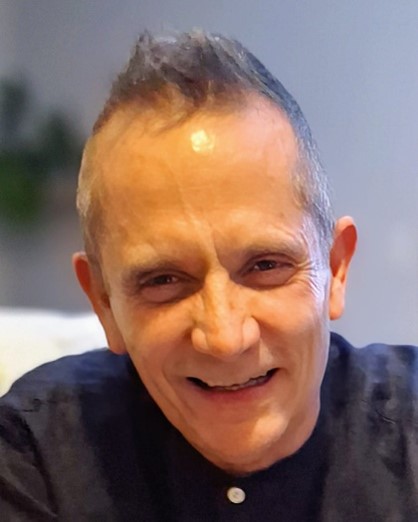
Dr. Cornelius (Niel) Victor

Dr. Cornelius (Niel) Victor

(he/him)

I am a Clinical and Research Psychologist based in Cape Town, South Africa. I hold a PhD in Psychology from UNISA, along with master’s degrees in both clinical and research psychology. Before moving into clinical practice, I spent two decades in the market research industry. My transition to psychology followed a personal turning point—recovering from cancer in 2010—which reshaped how I wanted to engage with people and their stories.

In my current practice, I provide psychotherapy to a diverse range of clients and work as part of multidisciplinary teams at several clinics. I also have a strong academic and training focus, particularly in LGBTQIA+ Psychology. Over the years, I’ve contributed to journal articles, guest lectures, and facilitated professional training courses aimed at improving inclusive, affirming care.

Since 2012, I’ve been involved with the Psychological Society of South Africa’s Sexuality and Gender Division (PsySSA SGD), particularly through the African LGBTQIA+ Human Rights Project. I co-led the development of the PsySSA Practice Guidelines for working with sexually and gender-diverse people—an area closely linked to my PhD research, which explored how South African psychologists understand and practice affirmative therapy with sexually diverse clients.

I’m a member of the Professional Association for Transgender Health South Africa and remain committed to supporting evidence-based, contextually aware, and affirming psychological practices in our local landscape.

ORCID ID: https://orchid.org/0000-0002-0919-1937

PsySSA supports the International Day Against Homophobia, Transphobia, and Biphobia (IDAHOBIT) 2025

PsySSA supports the International Day Against Homophobia, Transphobia, and Biphobia (IDAHOBIT) 2025

Why communities matter in addressing prejudice

By the Sexuality & Gender Division of PsySSA

Stigma and discrimination against LGBTQIA+ (hereafter queer) people are often driven by community attitudes and practices. But what happens when communities come together to protect those who are vulnerable?

The International Day Against Homophobia, Transphobia, and Biphobia was created in 2004 to draw attention to the violence and discrimination experienced by lesbian, gay, bisexual, trans and intersex people, and all of those with diverse sexual orientations, gender identities or expressions, and sex characteristics.

It’s theme for 2025 is “The Power of Communities” and we write, as the Sexuality and Gender Division of PsySSA, to ask pertinent questions about the nature and role of “community” in both driving and addressing stigma and discrimination.

It’s important, firstly, to note that communities are varied and variable in South Africa, there is no single notion of “community” we can rely on. The idea of community is a social construct – it can be a place, a group of people with a common interest, a collection of actions based on shared expectations, values, beliefs and meanings between individuals, an “imagined” sense of belonging, easy to feel but hard to pin down.

Stigma towards queer people, through the lens of “community”, can be understood in two ways. Symbolic stigma can be seen as giving weight to the otherness, the “undesirability” of queer people; questioning their morality deems them unfit to be declared human and equal, as part of “our” community. Through this spoiled identity, harms towards queer people can be enabled and justified, and so instrumental stigma can be seen as those attitudes and actions which result in the physical distancing of queer people – by harming and ousting them “we” feel physically safer. One example of this is the way in which trans and gender diverse people are literally being declared persona non grata in the United States, as if their very right to exist is being challenged.

As a result, trans and gender diverse people are no longer seen as part of “the community”, as US citizens, as moral subjects. Not only is threat and impact symbolic, it is literal, as we see attacks on trans people, and queer people more broadly, on the rise globally.

But not all communities feel the same way. While the queer community (more accurately, “communities”) does not always see eye to eye, intra-queer allyship is critical in this moment and we should, as mental health practitioners, support LGBTQIA+ people to process internalised homo/trans/bi and intersex-phobias and see each other as part of a marginalised group that needs to hold each other together.

In addition to this, we, as mental health practitioners, need to contribute to work which destigmatises queer and alternate identities – we should be clear that anti-trans sentiment has already seeped into anti-gay and anti-lesbian projects. After queer people, conservative forces come for immigrants and other minorities, and this should be challenged.

Finally, as mental health practitioners we owe it to the families we work with to empower them to be advocates and allies for their queer kin. Research has shown that “conversion” practices begin with the family, who cannot cope with the stigma (their own and that of their community) around queerness. This is fixable, we have the skills and the knowledge to help families “reimagine” what a family is: people who are a proxy for the broader community of care, concern and connection. We really are stronger together than apart.

Invitation to Respond: Real talk not rhetoric: An invitation to dialogue to Helen Zille

Invitation to Respond: Real talk not rhetoric: An invitation to dialogue to Helen Zille

A recent Facebook post by Helen Zille, “The ‘trans’ Debate Revisited”, refers. In this post Helen Zille reflects disquiet around trans people and services. We too experience disquiet, but about her intervention.

Therefore, as the Sexuality and Gender Division (SGD) of the Psychological Society of South Africa (PsySSA) we invite Zille to a dialogue. The complexity of trans lives cannot be reduced to 18 numbered points, what is needed is “real talk”, face to face, that respects nuance and is not just point-making rhetoric.

On the surface, Zille’s 18 points look like a fair attempt to “balance” different perspectives. But when you scratch just beneath the surface, the language used – even when it sounds polite – ends up reinforcing harmful stereotypes and deepening the marginalisation of trans people.

This is what many people call symbolic violence – where the damage isn’t physical, but is done through the way people are spoken about, misunderstood, or quietly erased (like trans men, on whom Zille is silent). And it often hides behind “reasonable” language. As a former journalist, Zille knows that language matters.

One key example is the use of the term “biological men” to refer to trans women. On the face of it, that might seem like a neutral or factual term. But in reality, it’s a loaded phrase. It tells a story – not just about bodies, but about trust, threat, and danger. When trans women are constantly framed as “really men,” and men are assumed to be dangerous by default, it creates a false and deeply unfair narrative: that trans women are simply predators in disguise. This is not only untrue – it’s profoundly damaging. It paints an entire group of people with suspicion, just for existing. It also leans on a harmful idea that all men are violent or predatory – which is itself problematic. So the language here is doing double harm.

We must ask: if trans women are consistently framed as deceptive, dangerous, or untrustworthy, what space does that leave for their humanity? For their safety? For their right to live in peace?

Then there’s the issue of trans youth. There’s been a growing panic – often fuelled by media and social media – that children who are questioning their gender are being “pushed” into transitioning too quickly. But this narrative just doesn’t line up with the facts on the ground.

In reality, there are many barriers to transitioning, especially in South Africa. There are long waiting lists, and there is only a small number of knowledgeable healthcare workers, who are overburdened and can only support a small number of clients. Furthermore, families are sometimes unsupportive and school spaces may shame gender non-conforming behaviour – in sum, transitioning is not something young people can simply rush into. In fact, many spend years wrestling with confusion, fear, and rejection before they are even able to speak to someone about it, let alone access any kind of medical support.

So when people claim, “We must protect the children,” but ignore the actual suffering and exclusion that trans youth face every day, it raises an uncomfortable question: which children are we really protecting? And from whom?

Too often, “protect the children” becomes a slogan that’s used not to help trans youth, but to silence them – to cast them as confused, manipulated, or dangerous to others. Notions of “protection” have been used before: against gay and lesbian people. Now they’re aimed at trans people. The target changes, but the effects are as insidious.

Here’s the real issue: we are talking about a small, deeply stigmatised, group of people who are just trying to survive and be recognised. Trans people – especially Black and working-class trans people – face extreme rates of violence, unemployment, and rejection. And yet the public debate keeps painting them as the threat. The harm this does is real, and perhaps we forget that trans people are our sons, daughters, brothers, sisters, mothers and fathers, our kinfolk, not faceless threats to women in bathrooms.

We’ve seen this deployment of dehumanising language before in South Africa. We know how power can dress itself up in politeness. We know how “neutrality” can be used to protect the status quo. We know what it feels like to be spoken about instead of being spoken with.

As a group of psychologists who actually work with sexually and gender diverse communities, we challenge Helen Zille to do two things. Firstly, meet with representatives of trans communities; talk with them, not about them, to their face. Perhaps some learning can happen?

And secondly, we invite her to a dialogue with us, as qualified and professional psychologists. We believe we can bring the nuance, evidence and science this topic deserves. JK Rowling has openly mocked trans people; South Africa, and Zille, are better than this.

Practice Guidelines For Psychology Professionals Working  With Sexually And Gender-Diverse People (2nd Ed.)

Practice Guidelines For Psychology Professionals Working With Sexually And Gender-Diverse People (2nd Ed.)

Coinciding with the official launch in Cape Town, 18 March 2025, herewith, the second edition of the Psychological Society of South Africa [PsySSA]. Since science and practice evolve, these guidelines are an updated consolidation of best practice evidence in South African and international psychology as it pertains to understanding sexual and gender diversity. The umbrella term of ‘sexual and gender diversity’ includes, but is not limited to, people who identify as lesbian, gay, bisexual, transgender, queer, intersex, and/or asexual (LGBTQIA+). Enjoy the read!

Suggested citation:
Psychological Society of South Africa. (2025). Practice Guidelines For Psychology Professionals Working With Sexually And Gender-Diverse People. Johannesburg: Psychological Society of South Africa (PsySSA).

Launch Invitation of 2nd Edition Practice Guidelines for Psychology Professionals Working with Sexually and Gender-Diverse People

Launch Invitation of 2nd Edition Practice Guidelines for Psychology Professionals Working with Sexually and Gender-Diverse People

2nd Edition Practice Guidelines for Psychology Professionals Working with Sexually and Gender-Diverse People

Join us for the official launch event of the 2nd Edition Practice Guidelines for Psychology Professionals Working with Sexually and Gender-Diverse People! These guidelines serve as an essential resource for psychology professionals committed to affirming LGBTQIA+ identities and fostering inclusive mental healthcare.

Date: Tuesday, 18 March 2025
Time: 12:00 – 16:30
Venue: Education Centre, Valkenberg Hospital, Cape Town
CPD Points: 2 General & 1 Ethics

RSVP is required for attendance. Submissions will be reviewed, and confirmed attendees will receive email confirmation.

For more information, contact hello@queeringpsychology.co.za.

Queer Mental Health in South Africa in Mental Health Awareness Month

Queer Mental Health in South Africa in Mental Health Awareness Month

Queer* mental health in South Africa in Mental Health Awareness Month

Written by Pierre Brouard, Research Associate at the Centre for Sexualities, AIDS and Gender (UP), SGD secretary and PATHSA board member

Some would argue that in the face of cis-heteronormativity and ongoing acts of harm towards queer people, the idea of queer mental health is an oxymoron, unachievable in the face of systems and structures of exclusion. On the other hand, queer survival and queer thriving are acts of resilience and rebellion, to be welcomed and nurtured, especially by those who practice in the mental health space.

October is Mental Health Awareness Month in South Africa and World Mental Health Awareness Day is commemorated on 10 October. The South African Federation for Mental Health’s theme for 2024 is “Access and Inclusion: why community mental health is important”.

Through this lens we can ask pertinent, even troubling, questions about the nature of queer life in South Africa and whether queer people feel included in social and community life, are seen by politicians and policy makers, and have access to the personal, social and economic resources to live lives of dignity and wellness.

While queer people are not a monolith, inhabiting multiple identities across race, class, ethnicity, ability etc., they face significant marginalisation in [mental] health care planning and delivery (see Luvuno et al). Very few health facilities offer queer-targeted resources, and this is compounded by the lack of healthcare workers who are skilled in dealing with queer health issues. Further, there is erasure of queer people in the healthcare system through a lack of data on how queer people utilise public facilities, minimal practice guidelines and insufficient policies.

The lack of data extends itself to, for example, HIV prevalence (and its psychosocial sequelae) in queer people, because sexual orientation (and gender identity) data is not collected on large-scale, population-based HIV prevalence surveys and censuses. And the few studies conducted have small sample sizes and were often conducted in urban areas, disadvantaging queer people in rural spaces.  This lack of data on health, and arguably mental health, of queer people means that designing programmes and developing related policy guidelines is a challenge. South Africa’s recent census was critiqued for this very failing.

If queer people’s mental health is to be taken seriously a number of key steps should be prioritised.

Firstly, we need to acknowledge that while all people can experience challenges in mental health (for endogenous and exogenous reasons), the marginalisation of queer people through forms of stigma and prejudice, and acts of physical harm, add an extra burden. The Minority Stress literature provides an evidence base for this burden.

Secondly, we need to improve the training of providers of a range of mental and physical health services (in public and private settings) so that the care they offer moves beyond tolerance towards a focus on thriving and development. The Sexuality and Gender Division of PsySSA offers such training, with feedback showing significant shifts in attitude and practice. This should be bolstered by specific policies and programmes and not be seen as a “hoped for” outcome of general training in vague notions of ubuntu or [sometimes reluctant] “acceptance” of diversity.

And thirdly, we need to collect better data about queer mental health – its antecedents, its manifestations and the resources, skills and human assets needed to make it a reality.

Queer mental health is more than a “nice to have”, it’s a marker of a society that attends to the needs of everyone. How we treat minorities speaks volumes about the perils of majoritarianism, noting that the mental health of a society is a collective venture.

*I use ‘queer’ as both an umbrella term for people on the spectrums of sex, sexuality and gender, and as a way to describe those who challenge the dominant social norms, values and conventions of mainstream society.