Board Exam Preparation Workshop – 21 May 2025

Board Exam Preparation Workshop – 21 May 2025

Board Exam Preparation Workshop – 21 May 2025

About this workshop

Join us on Zoom as we unpack the Board Exam!

The journey to becoming an HPCSA-registered psychologist entails navigating through rigorous academic training and practical experiences. However, one pivotal milestone stands between aspiring professionals and their goals: the HPCSA board exam. This exam serves as a comprehensive evaluation of theoretical knowledge, clinical skills, and ethical understanding essential for competent practice in the field. For those on the brink of undertaking this examination, the stakes are high, and the need for thorough preparation is paramount.

This underscores the necessity of a specialized board exam workshop tailored to the unique needs of prospective exam takers. Recognizing the complexities and challenges inherent in preparing for such a pivotal assessment, this workshop aims to provide invaluable clarity and guidance to participants.

The workshop will encompass multifaceted approaches to bolstering exam readiness for students in psychometry, counselling, research, educational and clinical psychology. Through interactive sessions, participants will delve into the intricacies of the exam format, content domains, and requisite competencies.

In essence, this workshop serves as a pivotal resource in equipping student and exam candidates with the tools, knowledge, and support necessary to navigate the challenges of the board exam successfully. By fostering clarity, confidence, and competence, the workshop endeavours to empower individuals to embark on their professional journeys with assurance and readiness to make meaningful contributions to the field of psychology.

Join the workshop at no cost!

Meet The Facilitators
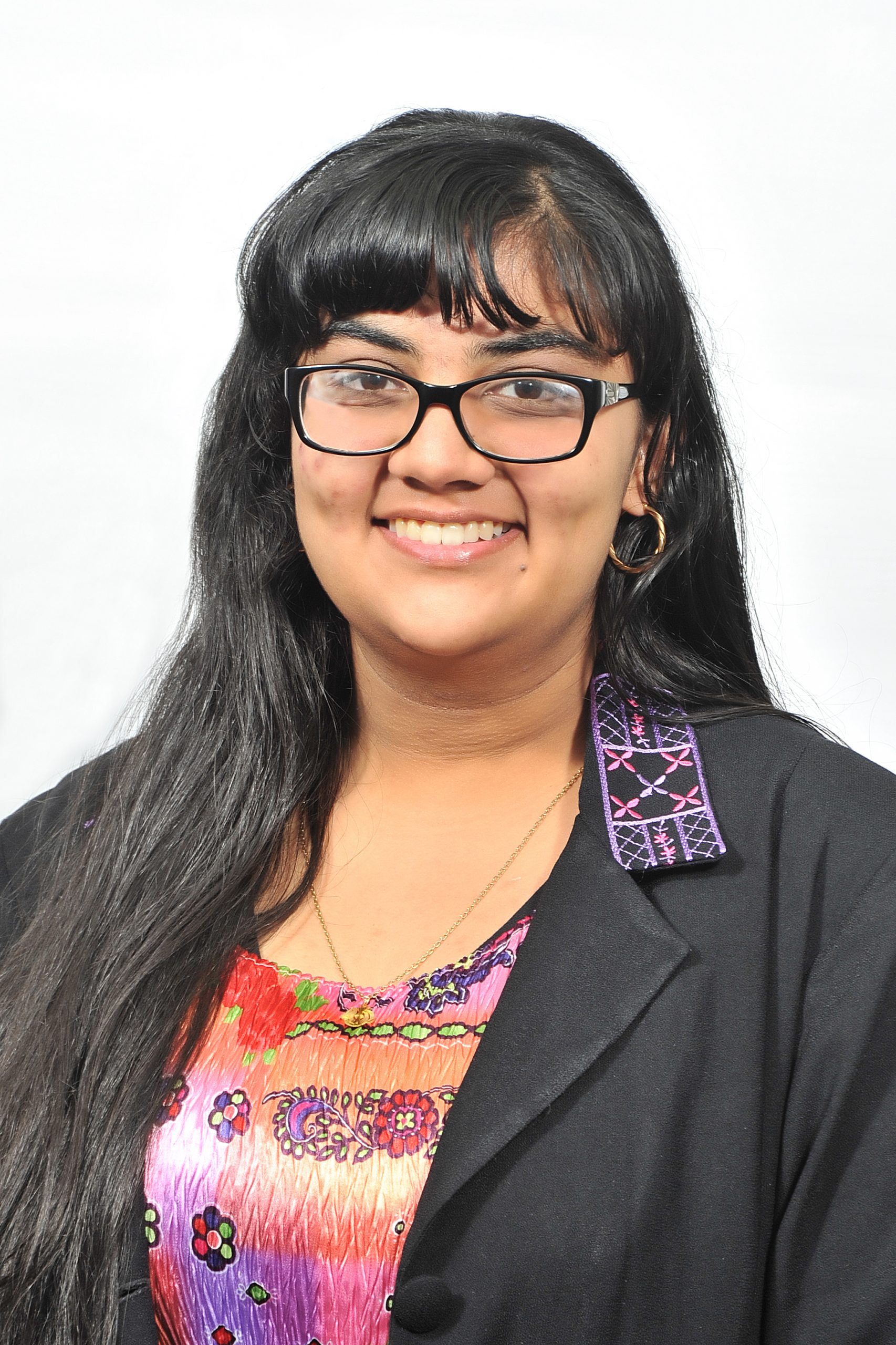
Dr Pakeezah Rajab

Dr Pakeezah Rajab

Presenter

Bio

Dr Pakeezah Rajab is the Senior Researcher at JVR Psychometrics and a PsySSA 2024-25 Additional Executive Member. Her PhD topic was “Non-intellectual factors that influence mathematics performance in South Africa.” She has experience applying psychometric results to a variety of contexts, including schools, private practice, higher education, and corporate environments. Pakeezah has worked on numerous projects that developed, validated and/or standardised assessments for use by the South African population – including aptitude, personality, values, career guidance and emotional intelligence. Her research interests include cognitive functioning, student performance and assessment development.

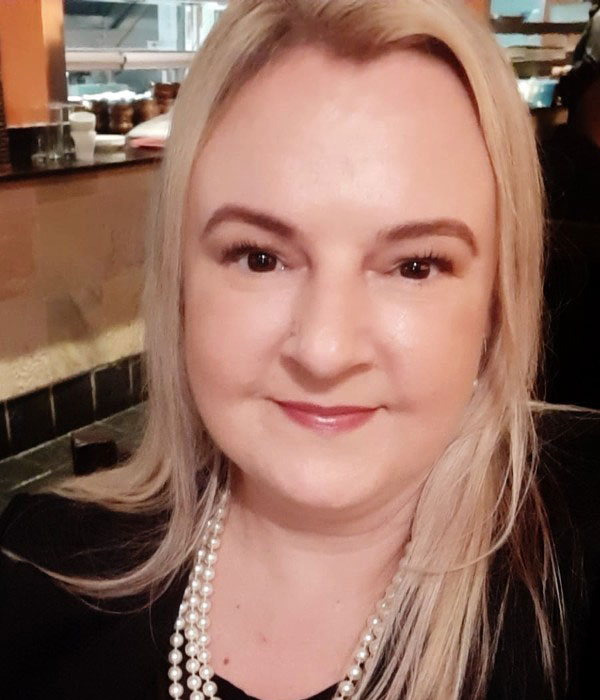
Ms Genevieve Burrow

Ms Genevieve Burrow

Presenter

Bio

Genevieve Burrow is a registered counsellor and chairperson of the PsySSA Division of Registered Counsellors and Psychometrists. Genevieve is the manager of The Youth Hub, based at Groote Schuur Hospital Adolescent Centre of Excellence, where she counsels, and manages students and the counselling centre. She has hosted several board exam workshops previously, and enjoys working with students to enlighten them about the upcoming HPCSA board exam. Genevieve Burrow is committed to driving excellence and innovation in the practice of counselling, and promoting the visibility and importance of this field. Genevieve is passionate about youth upliftment and collaborates with a medically-informed multidisciplinary team to provide comprehensive and holistic care to adolescents facing diverse challenges in under-provided areas.

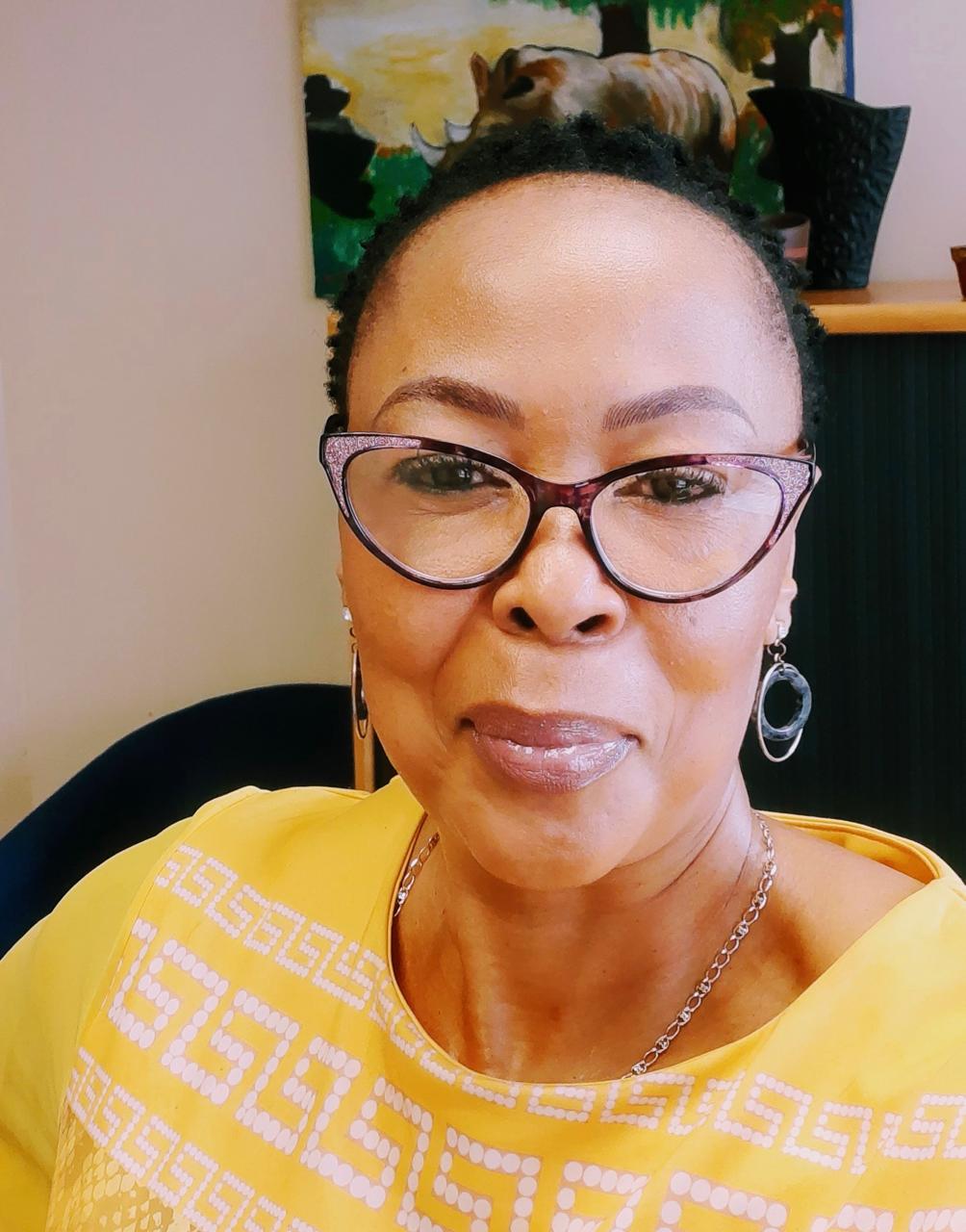
Dr Kemoneilwe Momi Metsing

Dr Kemoneilwe Momi Metsing

Presenter

Bio

Dr. Kemoneilwe Momi Metsing is a registered Educational Psychologist with a PhD in Psychology. She is a Senior Lecturer in the Department of Psychology of Education at the University of South Africa (UNISA) and Chairperson of the Society for Educational Psychology of South Africa (SEPSA). Dr. Metsing has a private practice and consults for government and private companies on relational and organizational transformation. She is an expert witness and member of the South African Medico-Legal Association (SAMLA). Dr. Metsing has held various leadership positions, including Chief Education Specialist in the Department of Education and board member of the South African Professional Society on the Abuse of Children (SAPSAC). She is an External examiner and clinical supervisor for MEd Educational Psychology at UJ. She serves on the Executive Committee of Decolonising Psychology at the Psychological Society of South Africa (PsySSA) and is a Critical Reader for UNISA’s Department of Adult Community and Continuing Education. With expertise in developing community-based programs, Dr. Metsing has successfully brought together individuals and organizations to address social issues, fostering partnerships and sustainable solutions. She is committed to inspiring and educating the next generation of leaders and change-makers, and her appointment at UNISA marks an exciting new chapter in her journey.

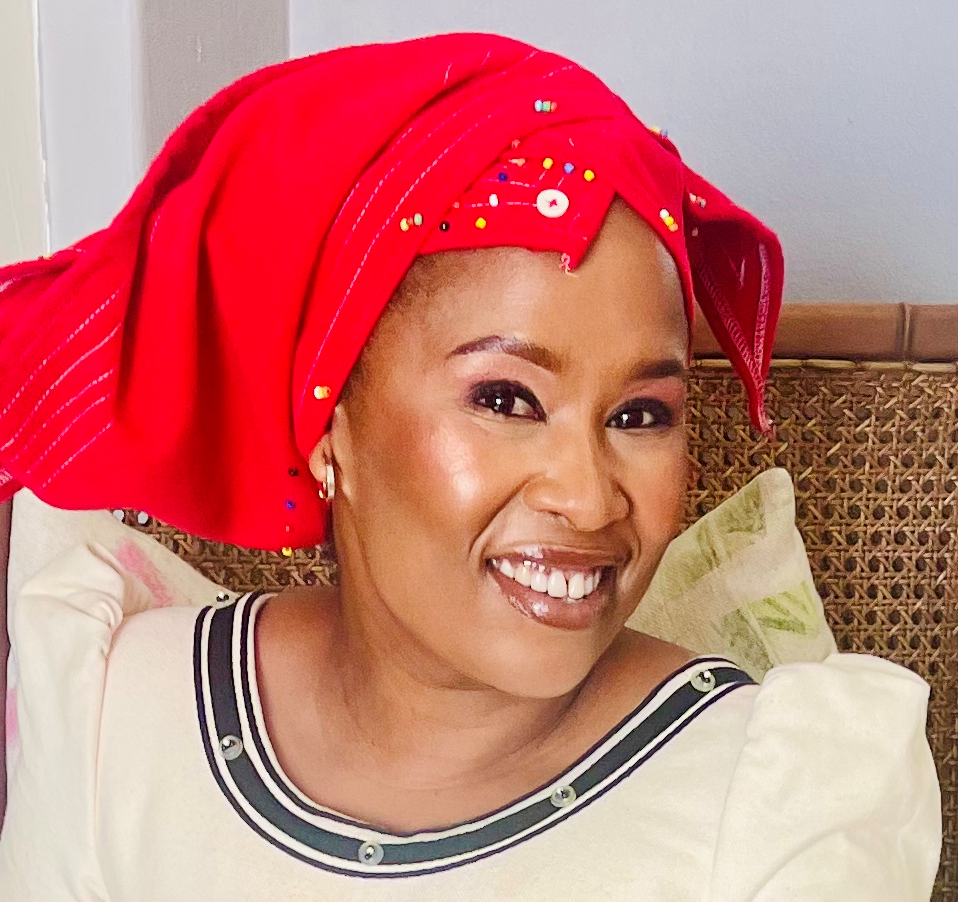
Dr Matome Jack Mashiapata

Dr Matome Jack Mashiapata

Presenter

Bio

Dr Mashiapata is a registered Educational Psychologist with the Health Professions Council of SA with over three decades of experience as a lecturer college for teacher training, high school teacher, a school psychologist in the department of basic education, manager of services for students with disabilities as well as student counselling. Currently working as the Director for Counselling and Career Development at UNISA, he has presented papers and workshops locally and internationally in the areas of career counselling, pastoral counselling, mentorship, career development, ethics, students with disabilities, etc. He holds active membership and leadership roles the Psychological Society of SA (PSYSSA), Society for Education Psychology of SA (SEPSA), South African Federation of Student Affairs (SAFSAS), International Association of Student Affairs and Services (IASAS) serving as the Africa regional director, deputy chairperson of Council for Pastoral and Spiritual Counsellors (CPSC), and Higher and Further Education Disability Services Association (HEDSA). He is the past president of the Southern African Association of Counselling and Development in Higher Education (SAACDHE). Dr Mashiapata has authored a chapter on Trauma Debriefing in a book titled “Life skills – my journey, my destiny”. He presents accredited CPD workshops on ethics in counselling services.


Deneo Sekese

Deneo Sekese

Presenter

Bio

Deneo Sekese started her career in Human Resources specifically training and development and organisational development. Her passion for people and therapy led to a midlife career change into psychology. Deneo completed her masters in Counselling Psychology at Rhodes University and internship at the student counselling centre at the Durban University of Technology. She has had the privilege of presenting her masters research at the 27th Annual South African Psychology Congress. Deneo’s areas of interest are African Psychology, Wellbeing and Salutogenesis and Community psychology. She recently registered with the Board of Psychology HPCSA and is in the process of setting up a private practice.

Arianna Fadda

Arianna Fadda

Presenter

Bio

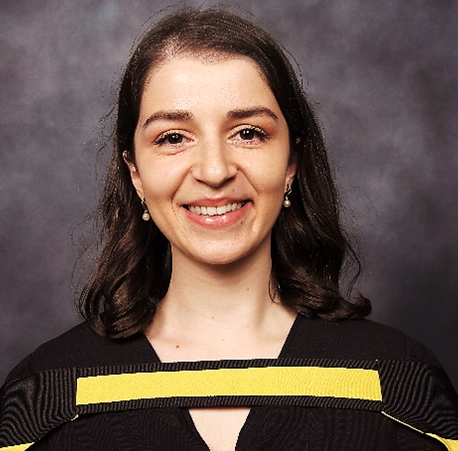
My name is Arianna Fadda. I hold a Bachelor of Arts and a Bachelor of Social Science Honours in Psychology both from the University of Pretoria as well as a professional master’s degree (by coursework and research report) in Social and Psychological Research from the University of the Witwatersrand. My research report focused on the perceptions of health professionals regarding an online depression screening tool adapted for South Africans. Following my master’s, I completed a year-long Research Psychology internship at the Africa Unit for Transdisciplinary Health Research (AUTHeR) at the North-West University, during which I worked on various qualitative and quantitative research projects. I subsequently wrote and passed the Research Psychology Board Examination with the Health Professions Council of South Africa earlier this year and I am now a registered Research Psychologist. I am currently working as a research assistant for AUTHeR and planning further studies towards a PhD.


Rekha Kangokar

Rekha Kangokar

Presenter

Bio

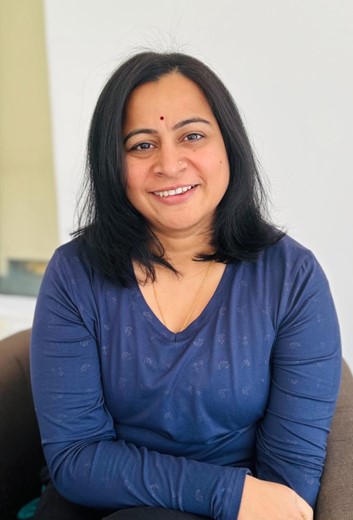
Mrs Rekha Kangokar Rama Rao is a Registered Counsellor and has completed Masters in Community-Based Counselling Psychology. Working with a person centered approach she is passionate about fostering mental well-being. She integrates evidence-based practices with a holistic approach to nurture growth and healing within both individuals and communities. She has been associated with various NGOs and has supported them closely, Rekha has served a Secretary and Treasurer before and currently serves as an additional member in the RCP division.

Zakiyah Hoosen

Zakiyah Hoosen

Presenter

Bio

Zakiyah Hoosen is a dynamic individual with a deep love for Psychology. She completed her undergraduate degree at the University of Pretoria majoring in Psychology and Languages; later obtaining her Honor’s degree from SACAP and went on to become a qualified registered counsellor. She is active in the field and works across multiple organizations, working within a trauma-informed focus to facilitate counselling and psychoeducation to children, adolescents, and adults. Zakiyah is currently advancing her knowledge and training on her journey of master’s in Clinical Psychology, and she aspires to foster psychosocial wellbeing across all spheres of life through meaningful and efficient psychological services for all.

DRM Webinar: Re-grounding Psychological Science: Why Realism Transcends the Methodological Divide

DRM Webinar: Re-grounding Psychological Science: Why Realism Transcends the Methodological Divide

DRM Webinar: Re-grounding Psychological Science: Why Realism Transcends the Methodological Divide

Join the PsySSA DRM and Prof Dave Maree as he advocates for realism as a unifying meta-theory for psychological science, transcending the divisive quantitative / qualitative split fostered by a “mythic image” of science.

From Science Communication to Public Engagement

Date:                           15 May 2025

Time:                           12h00 to 13h00

MS Teams Link:          Click to join

About the webinar

Psychological science is often characterised by a divide between quantitative and qualitative methods. This talk argues that this division stems from a “mythic image of science” that overemphasises quantification and experimentation. Realism offers a robust alternative meta-theory by positing a mind-independent reality with underlying structures and mechanisms. Unlike positivism, realism values the investigation of unobservable entities, and unlike radical constructionism, it asserts that our constructions are about something real. Realism supports both quantitative methods in identifying and modelling causal mechanisms and qualitative methods in understanding meaning and social contexts. By adopting a realist perspective, psychological science can move beyond unproductive dichotomies towards a more integrated and comprehensive understanding of its subject matter.

Can’t join us live? Watch all recordings of the PsySSA DRM Webinars and Research Podcast episodes on the PsySSA DRM YouTube Channel
About the Presenter
Prof David Maree

Prof David Maree

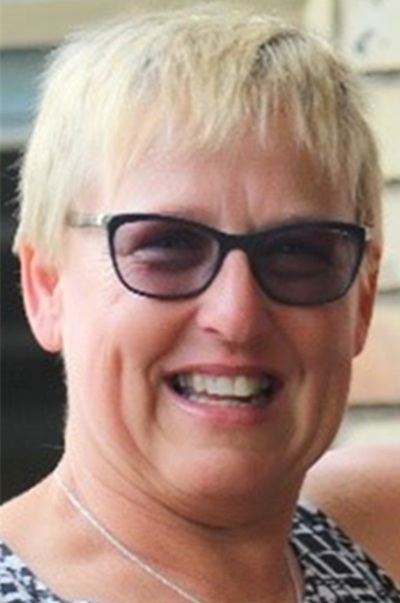
Prof David Maree has been Professor Emeritus in the Department of Psychology Faculty of Humanities since the end of 2023. He is currently the Head of the Interdisciplinary School of Psychology (ISOP) at the University of Pretoria. He currently teaches Psychometrics to MA Research students (PSY804).

He started working as a researcher in Traffic Research at the Human Sciences Research Council (HSRC) in 1987. He moved to the University of Pretoria as a full professor in the Department of Psychology. He is a registered research psychologist and an NRF-rated researcher. He was a member of the Association of Psychological Science (APS) and was President of the Psychological Society (PsySSA) of South Africa (PsySSA) for the 2013/14 period. He was chair of the psychometrics committee of the Psychology Board at the Health Professions Council for South Africa (HPCSA) from 2015 to 2018.


World Autism Awareness Day – 2 April 2025

World Autism Awareness Day – 2 April 2025

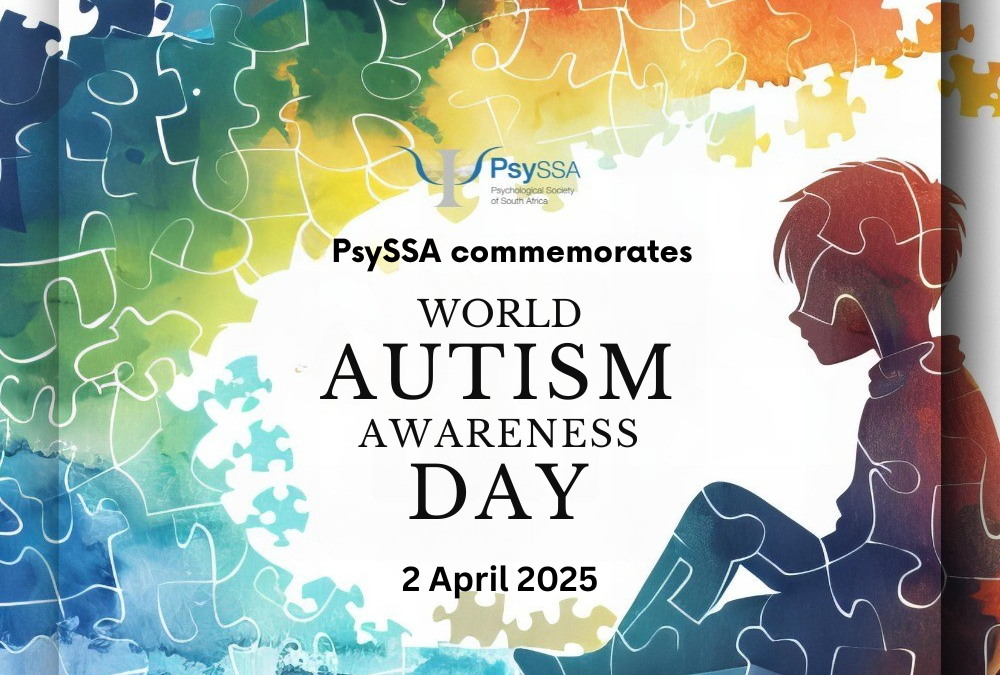
PsySSA Commemorates World Autism Awareness Day

2 April 2025

Beyond awareness: Fostering true acceptance of autistic individuals

By: PsySSA’s Division for Research and Methodology

On 2 April, World Autism Awareness Day serves as a global reminder to foster a deeper understanding of autism (World Autism Awareness Day | Autism Speaks, n.d.). However, awareness alone is not enough. Autistic individuals continue to face systemic barriers in education, employment, and healthcare – barriers that persist because society has been slow to move from awareness to genuine acceptance and meaningful inclusion.

The weight of masking and fitting in

For many autistic people, navigating daily life requires masking: they suppress or alter their natural ways of being to conform to neurotypical or non-autistic expectations (Pearson & Rose, 2021). Seers and Hogg (2023) discussed how masking is used as a strategy for social survival rather than mere conformity. One participant in the Seers and Hogg (2023) study describes the relentless strain of masking as follows:

When I think about the mask, I don’t know which bit is the mask, which bit is myself, and which parts of the mask have fused to myself and become indistinguishable from it. It is only in the privacy of my own mind that I allow myself to express what might be the real me. (p. 31)

This highlights the emotional toll of constantly performing neurotypical behaviours simply to be accepted. People with autism often describe masking as physically and emotionally exhausting, leading to burnout, anxiety, and depression (Beck et al., 2024; Lupindo et al., 2023; Seers & Hogg, 2023).

Challenges in healthcare settings

While autistic people experience difficulties navigating educational (Goodall, 2018; Karrit & Coetzee, 2025) and work (Lupindo et al., 2023) spaces, healthcare settings present another significant challenge. Beck et al. (2024) and Øverland et al. (2024) found that participants with autism frequently report feeling misunderstood or dismissed in healthcare settings. Participants in their research articulated a deep need for health care services that validate their experiences rather than pathologise them (Beck et al., 2024).

Moving forward: A call for meaningful change

True acceptance requires more than symbolic gestures: it demands systemic change. Inclusion should not be framed as a favour or accommodation but as a fundamental right that ensures autistic individuals can participate in society without compromising their authenticity (Beck et al., 2024). As expressed by a research participant in Beck et al. (2024), “You’re hurt and people don’t try to understand things from your perspective. It’s like you’re expected to understand things from their perspective, but there’s no effort on the other person’s part.” This lack of reciprocal understanding underscores the urgent need for spaces where autistic individuals are not only heard but actively supported.

Imagine feeling completely alone in a room full of people, constantly suppressing who you are to avoid rejection. For many autistic individuals, this is not an occasional experience but a daily reality. By fostering empathy, embracing neurodiversity, and creating inclusive spaces, we can ensure that autistic people are not just acknowledged but truly accepted and valued.

This World Autism Awareness Day, let’s commit to understanding. Let’s move beyond awareness to create a society where autistic individuals can thrive – not by changing who they are, but by changing how the world sees them.

World Autism Awareness Day

By: PsySSA’s Division of Neuro and Forensic Psychology

Autism Spectrum Disorder (ASD) is defined by the DSM 5-TR as a neurodevelopmental condition characterised by persistent deficits in social communication and social interaction across multiple contexts, alongside restricted, repetitive patterns of behaviour, interests, or activities. While these symptoms are present from early childhood, diagnosis can occur depending on knowledge and access to care at various points in life. These symptoms cause significant impairment in social, occupational, or other important areas of functioning.

Considering the diagnosis occurs along a spectrum, no two individuals are alike. The severity of the disorder is determined based on the level of support needed, ranging from requiring minimal support to substantial support. The presentation of ASD can vary greatly between individuals, some may have challenges with communication, social interaction, or sensory processing, while others may have remarkable talents and abilities in areas such as art, music, technology, and more. Some may have intellectual disabilities or language delays, while others may have average or above-average intelligence and advanced language skills.

It is through understanding and acceptance that we can truly appreciate these differences and create inclusive environments where all individuals have the opportunity to reach their full potential. On World Autism Day, we come together to honour and celebrate the unique perspectives, abilities, and strengths of individuals on the autism spectrum. This day serves as an important reminder that autism is not a barrier, but rather a different way of experiencing and interacting with the world. It is an opportunity to recognise the richness of diversity in human experiences, and to break down the stereotypes and misconceptions that often surround autism.

South African organisations like Autism South Africa and Autism Western Cape, along with others work tirelessly to support those with the diagnosis as well as their families, while educating society and breaking down stigma. The Autism Parenting Magazine is also a fantastic resource for parents unsure of where to go next or how to overcome challenges which they are grappling with. Worth noted as well were the professional group discussion videos made by the SASCP division.

As we reflect on this day, let us commit to fostering compassion, respect, and inclusion for all individuals on the autism spectrum. Let us build a world where neurodiversity is celebrated, where people are empowered to be their authentic selves, and where communities come together to support each individual’s journey. By creating spaces of belonging, we enable individuals with autism to thrive, contribute, and lead fulfilling lives.

Together, we can make a world that recognises and values the talents, perspectives, and humanity of every person, regardless of their neurological makeup.

DRM Webinar: From Science Communication to Public Engagement

DRM Webinar: From Science Communication to Public Engagement

DRM Webinar: From Science Communication to Public Engagement

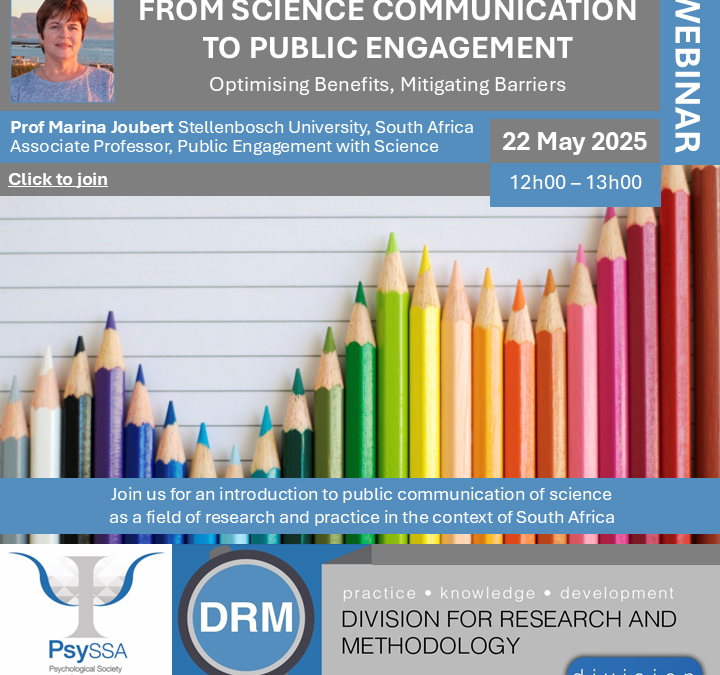
Join the PsySSA DRM and Prof Marina Joubert for an introduction to public communication of science as a field of research and practice in the context of South Africa.

From Science Communication to Public Engagement

Date: 22 May 2025

Time: 12h00 to 13h00

MS Teams Link: Click to join

About the webinar:

Professor Marina Joubert will introduce public communication of science as a field of research and practice in the context of South Africa, followed by a discussion of the rationale and drivers behind the trend from ‘public communication of science’ towards ‘public engagement with science’. She will explore the options for researchers to gain maximum benefit from public engagement while navigating the barriers and risks. Her talk will also briefly reflect on current insights from ‘the science of science communication’. She will share a curated collection of online resources with all participants.

Can’t join us live? Watch all recordings of the PsySSA DRM Webinars and Research Podcast episodes on the PsySSA DRM YouTube Channel

About the Presenter

Prof Marina Joubert

Prof Marina Joubert is an associate professor of public engagement with science at Stellenbosch University in South Africa. She leads the Public Engagement Lab, located within the Centre for Research on Evaluation, Science and Technology (CREST). Following a career of more than 20 years in science communication practice, she joined the university in 2015 to start a new teaching and research programme in public communication of science. At Stellenbosch, she is responsible for an extensive education and supervision programme and a diverse research portfolio. Her international research collaborations include the EU-funded Eco2Wine Project and the ‘Just Transitions for Anti-Microbial Resistance’ global convening funded by The British Academy. She serves as deputy editor of the Journal of Science Communication (JCOM) and is an honorary lifetime member of the global Public Communication of Science and Technology (PCST) Network. Her research focuses on scientists’ roles in public engagement with science and the motivations and challenges that shape their interactions with society. She is also interested in institutional science communication, representations of science in the mass media, the ethics of science communication, and online interfaces between science and society.

Email: marinajoubert@sun.ac.za

Online profile: https://www0.sun.ac.za/crest/staff/Joubert/

ORCID ID: orcid.org/0000-0003-0178-1796

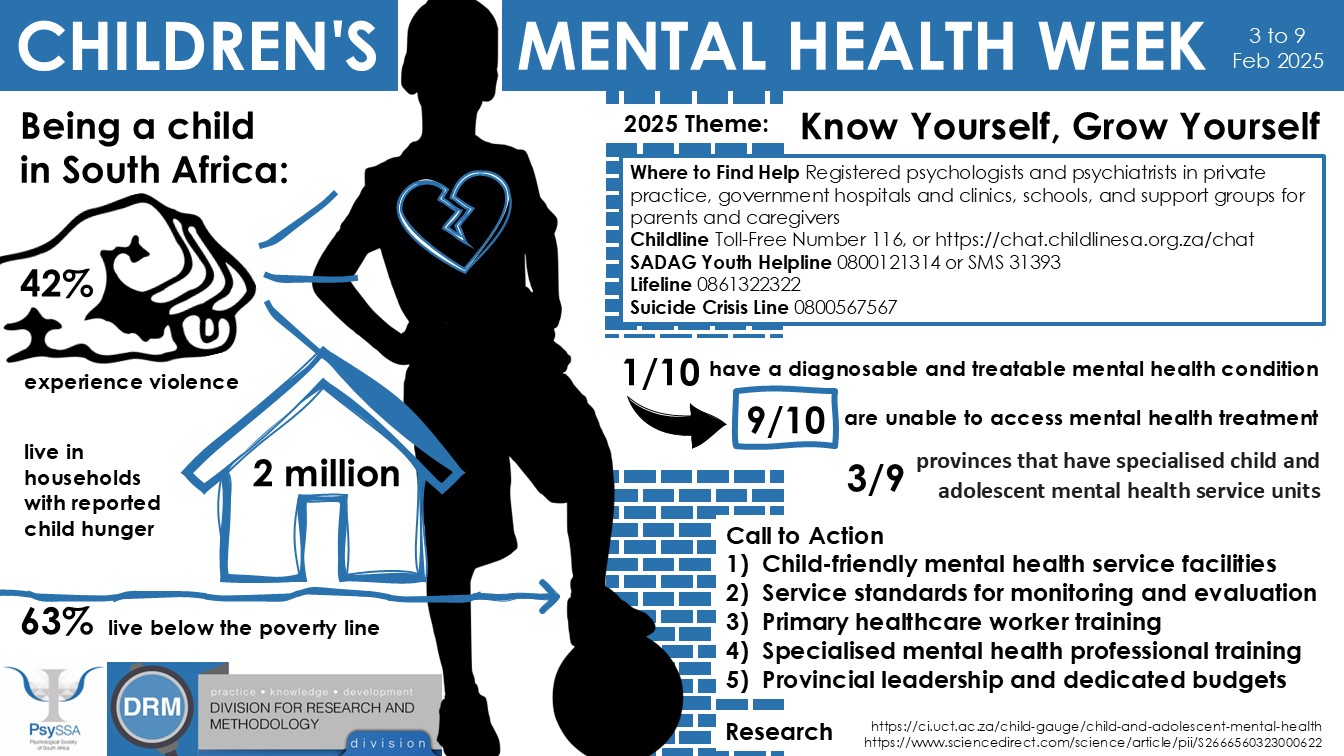
Children’s Mental Health Week: 3-9 February 2025

Children’s Mental Health Week: 3-9 February 2025

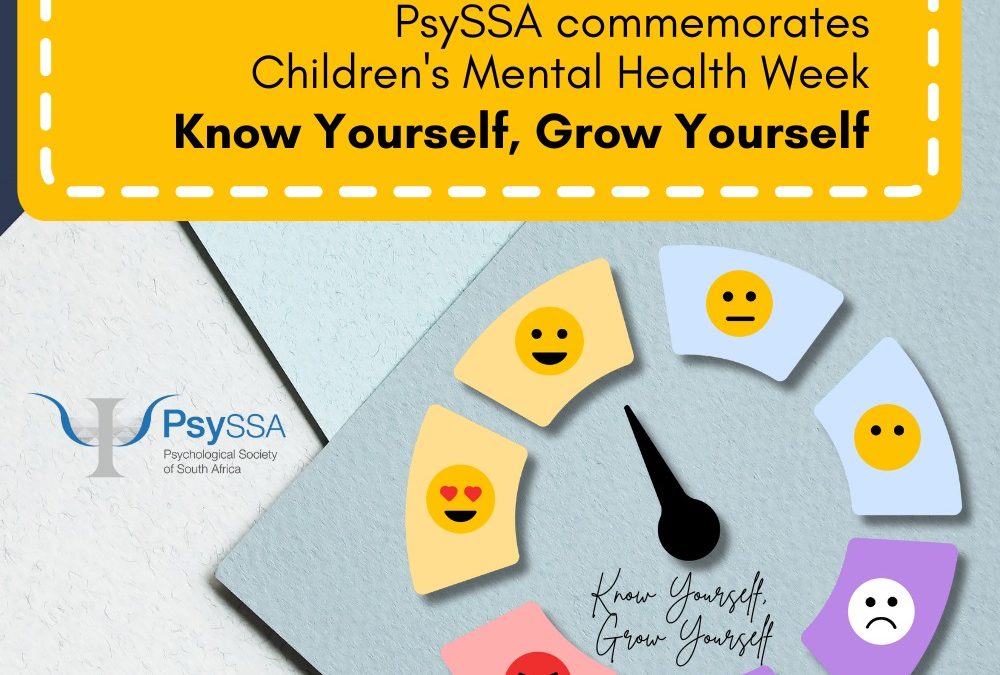
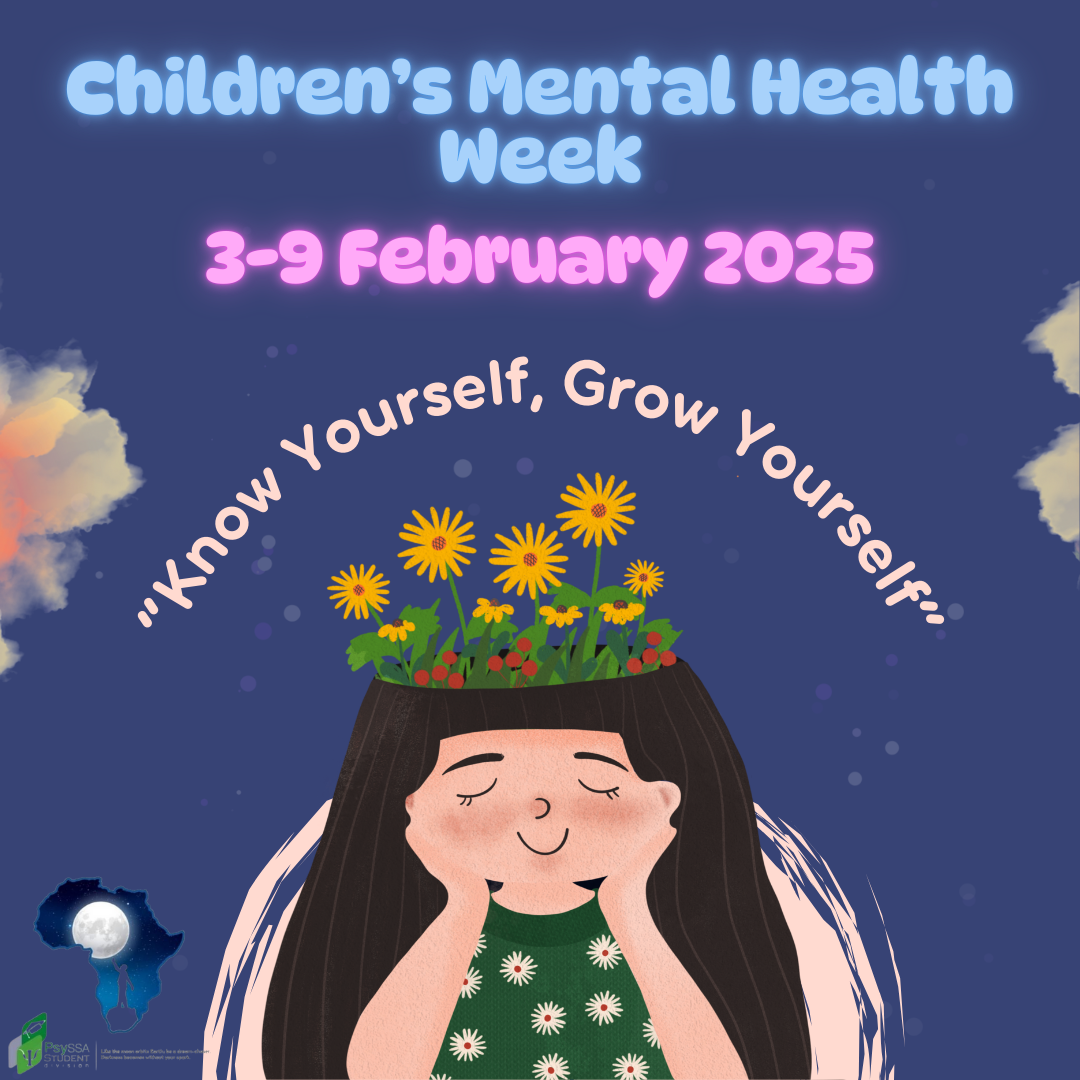
PsySSA commemorates Children’s Mental Health Week (3-9 February 2025) with the theme: Know Yourself, Grow Yourself.

CHILDREN”S MENTAL HEALTH WEEK: 2025

PSYSSA is complimented for launching the 2025 MHC with the focus on Children’s Mental Health. Children have a special place in Society. They are the archetypal pride and joy of parents associated with fun, laughter, joy and playfully mischievous in a normal society. Parents generally promote their healthy living through social, emotional, psychological, and spiritual well-being. The seminal Children’s Act 38 of 2005 and amendments profoundly spell out how children must be cared for and protected.

While there were adverse conditions prior to the drafting of the above Act, the current children’s mental health needs have reached uncontrollable proportions. This in fact has given rise to grave concerns for their mental health and fears for their safety. It would make for un-sobering reading to take a snapshot view of how children are faring with their Mental Health globally. Space does not allow for such a broadside perspective. WHO (2022) presents the startling statistic that twenty five (25%) of children present with Mental Health issues. A UNICEF South African Report posited that sixty (60%) of youth needed mental health support. However, only 12.4 % of children and adolescents with mental health problems receive professional help (Kleintjies et al., 2015). This can be explained by the gross imbalance between psychologists and patients. According to the SAACP ( 2020) there were (3022)-Clinical Psychologists; (1598)-Counselling Psychologists: (1510).-Educational Psychologists.

This translates to a ratio of about 1 psychologist for 10 633 clients. At a systemic level this overwhelming inequity explains why children in general find it difficult to access Mental Health services. This situation is further exacerbated by the fact that the majority of the practitioners are in private practice. This begs the question what if any mental health intervention children from the rural area receive. The psychological services attached to the various districts in each province can hardly be considered to be a serious service provider of mental health. Statistics from eight DOE provinces (2020-2021) underscore the stark and gloomy reality of the effete mental health school provisions :

Province Pupils Psychologists
Eastern Cape 1 704 581 Unknown
Free State 541 959 15-20
 Kwa Zulu Natal 2 758 831 83
Limpopo 1 245 095 30-35
Mpumalanga 745 838 25
North West 584 831 20-25
Northern Cape 272 411 15-20
Western Cape 1048 905 47
Gauteng 2 055 042 45

An overpowering disproportion between pupils and psychologists. It is noted that formal assessments cannot be administered for this reason. In any case it is apparent that psychologists only respond to a request from a school about twelve months later However, the inordinate disparity in numbers make access to mental health impossible for the majority of pupils. To a large extent detractors to the existence of school psychology are justified. It is an expensive service. It is a first world phenomenon in an under-developed third-world context.

The general public is hardly and selectively serviced, schools are poorly-serviced and the rural areas are abysmally non-serviced. Are we paying attention to the scary Big Picture or merely going through the motions like school psychological services. As the mental needs of our children get more complex and demanding are we psychologists playing the proverbial fiddle. Severe trauma, depression, anxiety, stress and suicide ideation are major psychological constructs that children experience. Their mental health needs are utterly under-provided. In the recent Mental State of the World Report released by Sapiens Labs South Africa ranked
 Second(2nd) Lowest on the Mental Health Quotient
 First as the most stressed country in the world

A recent advert notes that the “ difference is in the detail ”. We are patently aware of the appalling details. We need to step out of the comfort zones in our insulated ivory towers and make the difference.

Children’s Mental Health Week – Reflections on Self-Awareness as a Psychology Student

Children’s Mental Health Week, established in 2015, focuses on raising awareness of children’s mental health and emotional well-being. While this initiative originates in the UK, it aligns with local efforts such as Child Protection Week, Youth Month, and Mental Health Awareness Month, which highlight mental health challenges in childhood and beyond. This year’s theme, “Know Yourself, Grow Yourself,” provides an opportunity for psychology students to reflect on their own childhood mental health, exploring how their experiences have shaped their self-awareness and career paths.

Reflecting on childhood mental health often reveals how early challenges, trauma, or environmental factors influenced our mental well-being and led us to pursue psychology. Such reflections form the foundation of self-awareness, which is important for professional practice. Many psychologists embody the concept of the wounded healer, where their own struggles and healing journeys inspire their ability to empathise with others. Self-awareness allows individuals to recognise and work through biases, blind spots, and unresolved issues. For this reason, postgraduate applications, such as honours and master’s programmes, often include reflective exercises like autobiographical essays or interviews. These assessments evaluate not only academic readiness but also insight into one’s personal growth.

Self-awareness is not a one-time exercise but a lifelong process. As students, individuals continuously uncover values, insecurities, and unresolved emotions that shape how they engage with others. Discoveries like these follow practitioners into their careers, where self-reflection and professional counseling are essential for managing personal challenges and ensuring that mental health does not negatively impact those they serve. Early mental health struggles, such as emotional stressors or disorders, may persist in different forms, but when approached with self-awareness, they become tools for empathy and professional insight.

Across psychology’s diverse fields, self-awareness is critical in varying ways. Clinical and counselling psychologists rely on this quality to manage transference, countertransference, and emotional regulation, ensuring effective care without compassion fatigue or burnout. Educational psychologists use self-awareness to recognise how their own experiences and biases influence their work with children, families, and educators, enabling culturally sensitive interventions. Research psychologists depend on reflexivity to remain ethical and objective, particularly when working with vulnerable populations. In neuropsychology, awareness of one’s emotional responses helps practitioners manage the toll of working with life-changing diagnoses, balancing empathy with clarity. For organisational psychologists, self-awareness supports the management of workplace dynamics, promoting systemic well-being and addressing burnout.

Children’s Mental Health Week encourages us to reflect on our own mental health, using this theme as a starting point for cultivating self-awareness. This reflection reminds us that self-awareness is a lifelong journey, essential for both personal growth and professional competency. By engaging in self-awareness, we enhance our ability to empower the individuals and communities we serve.

Board Exam Preparation Workshop – 23 January 2025

Board Exam Preparation Workshop – 23 January 2025

Board Exam Preparation Workshop – 23 January 2025

About this workshop

Join us on Zoom as we unpack the Board Exam!

The journey to becoming an HPCSA-registered psychologist entails navigating through rigorous academic training and practical experiences. However, one pivotal milestone stands between aspiring professionals and their goals: the HPCSA board exam. This exam serves as a comprehensive evaluation of theoretical knowledge, clinical skills, and ethical understanding essential for competent practice in the field. For those on the brink of undertaking this examination, the stakes are high, and the need for thorough preparation is paramount.

This underscores the necessity of a specialized board exam workshop tailored to the unique needs of prospective exam takers. Recognizing the complexities and challenges inherent in preparing for such a pivotal assessment, this workshop aims to provide invaluable clarity and guidance to participants.

The workshop will encompass multifaceted approaches to bolstering exam readiness for students in psychometry, counselling, research, educational and clinical psychology. Through interactive sessions, participants will delve into the intricacies of the exam format, content domains, and requisite competencies.

In essence, this workshop serves as a pivotal resource in equipping student and exam candidates with the tools, knowledge, and support necessary to navigate the challenges of the board exam successfully. By fostering clarity, confidence, and competence, the workshop endeavours to empower individuals to embark on their professional journeys with assurance and readiness to make meaningful contributions to the field of psychology.

Join the workshop at no cost!

Meet The Facilitators
Dr Pakeezah Rajab

Dr Pakeezah Rajab

Presenter

Bio

Dr Pakeezah Rajab is the Senior Researcher at JVR Psychometrics and a PsySSA 2024-25 Additional Executive Member. Her PhD topic was “Non-intellectual factors that influence mathematics performance in South Africa.” She has experience applying psychometric results to a variety of contexts, including schools, private practice, higher education, and corporate environments. Pakeezah has worked on numerous projects that developed, validated and/or standardised assessments for use by the South African population – including aptitude, personality, values, career guidance and emotional intelligence. Her research interests include cognitive functioning, student performance and assessment development.

Ms Genevieve Burrow

Ms Genevieve Burrow

Presenter

Bio

Genevieve Burrow is a registered counsellor and chairperson of the PsySSA Division of Registered Counsellors and Psychometrists. Genevieve is the manager of The Youth Hub, based at Groote Schuur Hospital Adolescent Centre of Excellence, where she counsels, and manages students and the counselling centre. She has hosted several board exam workshops previously, and enjoys working with students to enlighten them about the upcoming HPCSA board exam. Genevieve Burrow is committed to driving excellence and innovation in the practice of counselling, and promoting the visibility and importance of this field. Genevieve is passionate about youth upliftment and collaborates with a medically-informed multidisciplinary team to provide comprehensive and holistic care to adolescents facing diverse challenges in under-provided areas.

Dr Kemoneilwe Momi Metsing

Dr Kemoneilwe Momi Metsing

Presenter

Bio

Dr. Kemoneilwe Momi Metsing is a registered Educational Psychologist with a PhD in Psychology. She is a Senior Lecturer in the Department of Psychology of Education at the University of South Africa (UNISA) and Chairperson of the Society for Educational Psychology of South Africa (SEPSA). Dr. Metsing has a private practice and consults for government and private companies on relational and organizational transformation. She is an expert witness and member of the South African Medico-Legal Association (SAMLA). Dr. Metsing has held various leadership positions, including Chief Education Specialist in the Department of Education and board member of the South African Professional Society on the Abuse of Children (SAPSAC). She is an External examiner and clinical supervisor for MEd Educational Psychology at UJ. She serves on the Executive Committee of Decolonising Psychology at the Psychological Society of South Africa (PsySSA) and is a Critical Reader for UNISA’s Department of Adult Community and Continuing Education. With expertise in developing community-based programs, Dr. Metsing has successfully brought together individuals and organizations to address social issues, fostering partnerships and sustainable solutions. She is committed to inspiring and educating the next generation of leaders and change-makers, and her appointment at UNISA marks an exciting new chapter in her journey.

Dr Matome Jack Mashiapata

Dr Matome Jack Mashiapata

Presenter

Bio

Dr Mashiapata is a registered Educational Psychologist with the Health Professions Council of SA with over three decades of experience as a lecturer college for teacher training, high school teacher, a school psychologist in the department of basic education, manager of services for students with disabilities as well as student counselling. Currently working as the Director for Counselling and Career Development at UNISA, he has presented papers and workshops locally and internationally in the areas of career counselling, pastoral counselling, mentorship, career development, ethics, students with disabilities, etc. He holds active membership and leadership roles the Psychological Society of SA (PSYSSA), Society for Education Psychology of SA (SEPSA), South African Federation of Student Affairs (SAFSAS), International Association of Student Affairs and Services (IASAS) serving as the Africa regional director, deputy chairperson of Council for Pastoral and Spiritual Counsellors (CPSC), and Higher and Further Education Disability Services Association (HEDSA). He is the past president of the Southern African Association of Counselling and Development in Higher Education (SAACDHE). Dr Mashiapata has authored a chapter on Trauma Debriefing in a book titled “Life skills – my journey, my destiny”. He presents accredited CPD workshops on ethics in counselling services.


Deneo Sekese

Deneo Sekese

Presenter

Bio

Deneo Sekese started her career in Human Resources specifically training and development and organisational development. Her passion for people and therapy led to a midlife career change into psychology. Deneo completed her masters in Counselling Psychology at Rhodes University and internship at the student counselling centre at the Durban University of Technology. She has had the privilege of presenting her masters research at the 27th Annual South African Psychology Congress. Deneo’s areas of interest are African Psychology, Wellbeing and Salutogenesis and Community psychology. She recently registered with the Board of Psychology HPCSA and is in the process of setting up a private practice.

Arianna Fadda

Arianna Fadda

Presenter

Bio

My name is Arianna Fadda. I hold a Bachelor of Arts and a Bachelor of Social Science Honours in Psychology both from the University of Pretoria as well as a professional master’s degree (by coursework and research report) in Social and Psychological Research from the University of the Witwatersrand. My research report focused on the perceptions of health professionals regarding an online depression screening tool adapted for South Africans. Following my master’s, I completed a year-long Research Psychology internship at the Africa Unit for Transdisciplinary Health Research (AUTHeR) at the North-West University, during which I worked on various qualitative and quantitative research projects. I subsequently wrote and passed the Research Psychology Board Examination with the Health Professions Council of South Africa earlier this year and I am now a registered Research Psychologist. I am currently working as a research assistant for AUTHeR and planning further studies towards a PhD.


Shaazia Patel

Shaazia Patel

Presenter

Bio

Shaazia is a registered Psychometrist with extensive experience and knowledge in the Assessment related field. She is actively involved in various community volunteer projects and is currently in the process of creating a project for probono career assessments for those who are from disadvantaged backgrounds. She is currently completing her Masters Thesis through UWC. She is a Mentor for the PsySSASD National mentorship programme and serves as an additional member on PsySSAs RCP division. Her love for animals and helping people is leading her towards attaining her Masters qualification to research and work within the Animal Assisted Psychotherapy field.

Zakiyah Hoosen

Zakiyah Hoosen

Presenter

Bio

Zakiyah Hoosen is a dynamic individual with a deep love for Psychology. She completed her undergraduate degree at the University of Pretoria majoring in Psychology and Languages; later obtaining her Honor’s degree from SACAP and went on to become a qualified registered counsellor. She is active in the field and works across multiple organizations, working within a trauma-informed focus to facilitate counselling and psychoeducation to children, adolescents, and adults. Zakiyah is currently advancing her knowledge and training on her journey of master’s in Clinical Psychology, and she aspires to foster psychosocial wellbeing across all spheres of life through meaningful and efficient psychological services for all.

Rekha Kangokar

Rekha Kangokar

Presenter

Bio

Mrs Rekha Kangokar Rama Rao is a Registered Counsellor and has completed Masters in Community-Based Counselling Psychology. Working with a person centered approach she is passionate about fostering mental well-being. She integrates evidence-based practices with a holistic approach to nurture growth and healing within both individuals and communities. She has been associated with various NGOs and has supported them closely, Rekha has served a Secretary and Treasurer before and currently serves as an additional member in the RCP division.