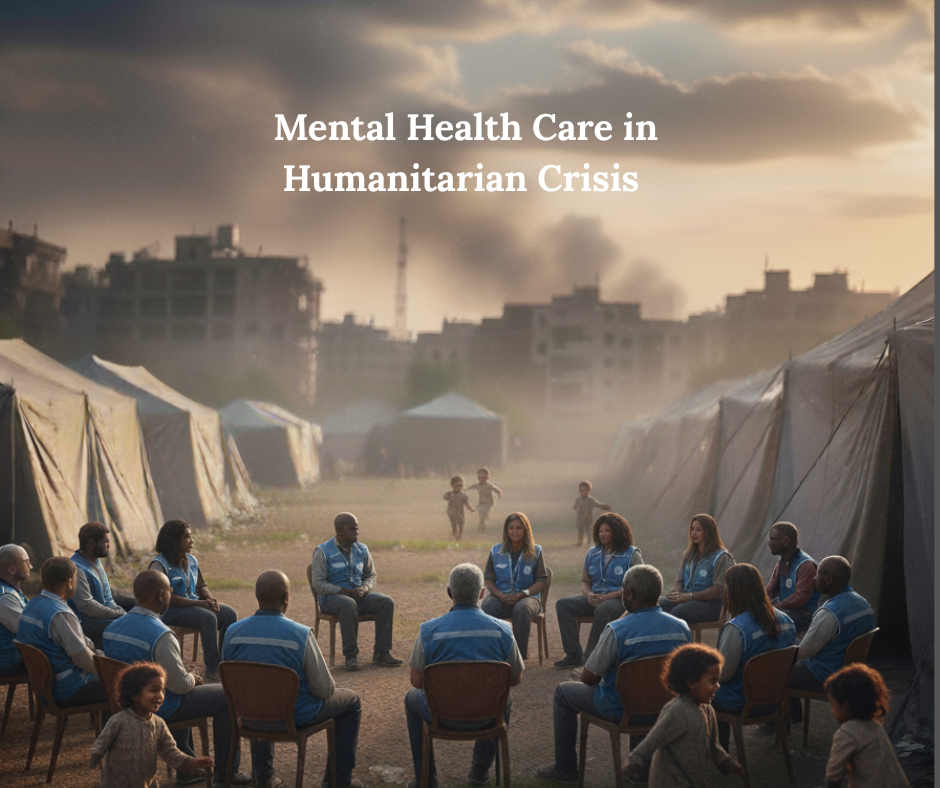
“Mental Health in Humanitarian Emergencies.”  – Division of Registered Counsellors & Psychometrists

“Mental Health in Humanitarian Emergencies.” – Division of Registered Counsellors & Psychometrists

As we mark Mental Health Awareness Month, the PsySSA Division for Registered Counsellors and Psychometrists (RCP Division) reflects on the crucial role Registered Counsellors play in advancing mental health care in South Africa.

In two insightful contributions, the Division highlights both the impact of Registered Counsellors in humanitarian emergencies and the evolution of the profession from its inception to its growing significance today.

“Mental Health in Humanitarian Emergencies” explores how Registered Counsellors provide essential, community-based mental health support in times of crisis — from social unrest to poverty and trauma — ensuring no one faces these challenges alone.

“The Vital Role of Registered Counsellors in South Africa: Past, Present, and Future” traces the development of the profession and its continued commitment to accessible, preventative, and empowering mental health care.

Read more below:

The Vital Role of Registered Counsellors in South Africa: Past, Present, and Future

Division of Registered Counsellors & Psychometrists – Kendall Byne

October is Mental Health Awareness Month, with World Mental Health Day observed on 10 October 2025, reminding us of the ongoing global call to action for accessible, equitable, and humane mental health care. In South Africa, this call has particular resonance, given our history and the unique role of the Registered Counsellor (RC) in broadening access to psychosocial support.

The profession of Registered Counsellor was formally recognised in 2003, following the revision of the Health Professions Act, as a response to South Africa’s urgent need for accessible mental health services. With high rates of trauma, inequality, and limited access to specialised care, RCs were envisioned as frontline providers who could serve communities directly, especially in under-resourced areas where psychologists and psychiatrists remain scarce. This pioneering initiative placed South Africa among the first countries to establish a mid-level mental health profession dedicated to prevention, early intervention, and psychoeducation.

Over the past two decades, Registered Counsellors have become an indispensable part of South Africa’s mental health landscape. We have worked in schools, community-based organisations, NGOs, faith-based settings, and private practice, offering much-needed services that bridge the gap between community needs and specialised care. Our scope of practice emphasises wellness promotion, preventative interventions, and the destigmatisation of mental health, to help ordinary South Africans access support before reaching crisis point.

In 2025, our role is more important than ever. South Africa continues to face rising mental health needs which are exacerbated by socioeconomic challenges, the lingering effects of the pandemic, and an increasing awareness of psychological well-being. Registered Counsellors remain at the forefront of community mental health and empower individuals and families by advocating for resilience and making mental health care accessible in everyday settings.

As we observe World Mental Health Day under this year’s theme of “Access to Services – Mental Health in Catastrophes and Emergencies”, the work of RCs embodies this principle. We make certain that mental health services are not a privilege for the few, but a right for all. By addressing barriers of cost, culture, and accessibility, Registered Counsellors contribute to the broader transformation of South Africa’s health system and to PsySSA’s vision of advancing psychology as a force for social good.
This October, let us not only raise awareness but also celebrate the invaluable role of Registered Counsellors in shaping a healthier, more resilient nation – past, present, and into the future.


“Mental Health in Humanitarian Emergencies”

Division of Registered Counsellors & Psychometrists – Genevieve Burrow

“Mental Health in Humanitarian Emergencies.” This theme resonates deeply with our current South African context, where socio-economic challenges and the lingering effects of the COVID-19 pandemic have created an environment ripe for mental health crises. During World Mental Health Awareness Month and World Mental Health Day, we are reminded that mental health is a universal human right. In South Africa, this is not just a theme, but it is a call to action. Every day, we see how poverty, inequality, violence, and trauma significantly impact individuals, families, communities, and especially our youth.

Humanitarian emergencies can take many forms, from natural disasters to social unrest. In South Africa, we have witnessed a range of challenges that have critically impacted the mental well-being of individuals and communities. The stressors of unemployment, poverty, and violence can lead to increased rates of anxiety, depression, and trauma.

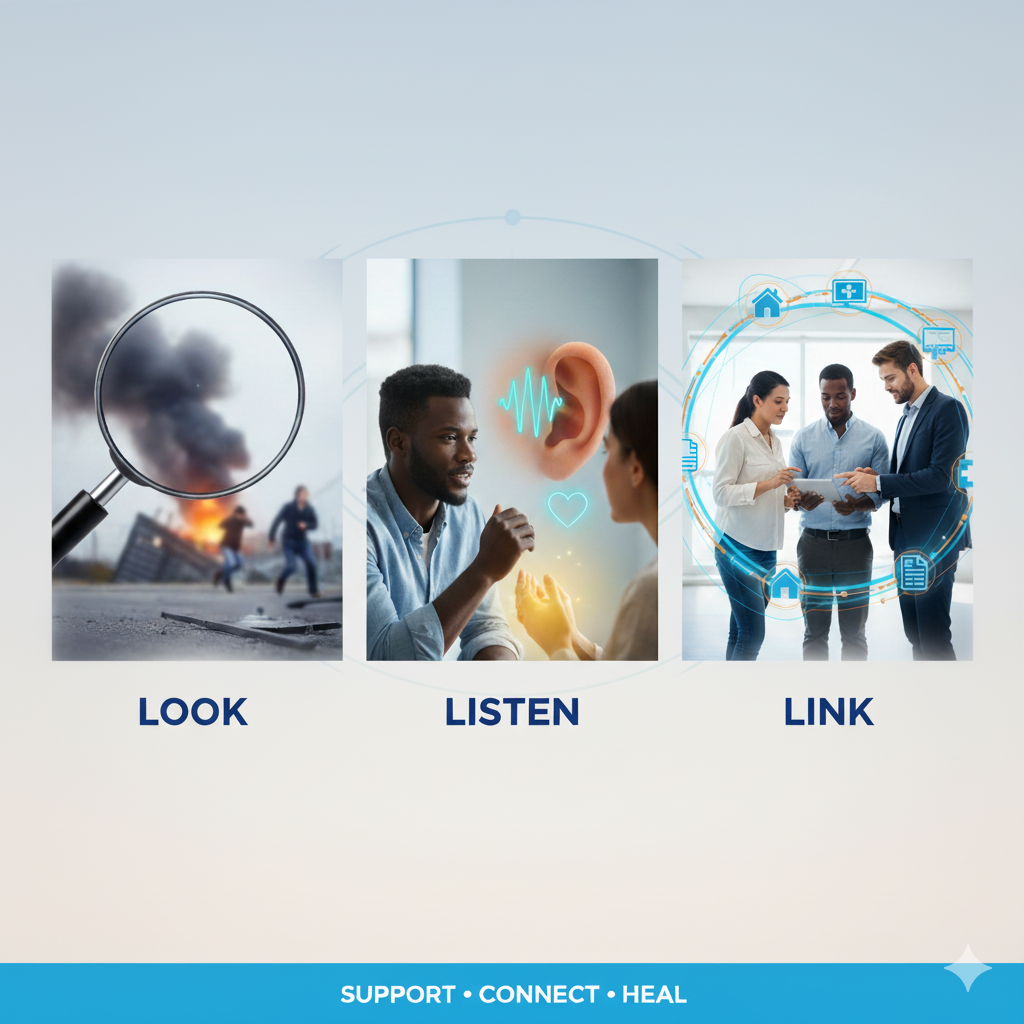
Registered Counsellors (RCs) are uniquely positioned to make a significant difference in these challenging times. Our training equips us to provide critical support, guidance, and counselling interventions to individuals and communities affected by past and current crises. RCs are on the ground, walking alongside communities, creating safe mental health spaces, and offering accessible, preventative care where it’s needed most. We are often the first to listen in a safe space, the first to respond, and the bridge to further support. Our contributions include engaging with communities to foster mental well-being through workshops and support groups that address pressing mental health issues. Additionally, we provide specialised trauma-informed care, assisting individuals in coping with the psychological aftermath of crises. By raising awareness about mental health needs, we also advocate for resources and policies that support mental well-being during emergencies.

As we commemorate World Mental Health Day, let us reaffirm our commitment to mental health advocacy and recognition. It is crucial that we work together to ensure that mental health resources are accessible to everyone, especially in times of crisis. You can contribute by raising awareness and sharing information about mental health resources within your communities. Encourage conversations about mental health to reduce stigma and shame and promote understanding. Lastly, connect with fellow professionals to share best practices and strategies for supporting those in need.

Together, we can create a supportive environment where mental health is prioritised, and individuals feel empowered to seek mental health assistance. Let’s ensure that no one faces these emergencies alone.

"Mental Health in Humanitarian Emergencies."

by Genevieve Burrow

ACT in Practice – Live 1 Day Workshop

ACT in Practice – Live 1 Day Workshop

ACTivate Tour 2025 in partnership with PsySSA

Curious about ACT? Start online tomorrow before the tour begins!

Join our Online ACT Workshop tomorrow, 29 October — the perfect opportunity to explore Acceptance and Commitment Therapy (ACT) before the full tour begins!

Attend the online workshop on its own to get a feel for the approach — and if you decide to join an in-person city workshop, the amount you paid for the online session will be credited toward your in-person registration.

Already booked for an in-person city? Great news — your online session is included in your registration!

Whether you’re curious about ACT or ready to deepen your practice, this is your chance to learn, reflect, and connect with peers across South Africa before the tour begins.

About the workshop: 

This workshop provides an in-depth introduction to Acceptance and Commitment Therapy (ACT). Content covered includes the Hexaflex, the Choice Point, Effective Usage of Metaphors, Structuring ACT Sessions and Adapting ACT for Depression and Anxiety

Mr Werner Teichert

Mr Werner Teichert

Presenter

Werner Teichert is an international speaker and clinical psychologist based in Sydney, Australia. He was trained in ACT under Steve Hayes, Russ Harris, Robyn Walser, and Kirk Strosahl. Werner has trained healthcare professionals across South Africa, Namibia, New Zealand, Australia and the UK.

ACTivate Tour In-Person Workshops


Trauma-Focused ACT (TFACT)

(Durban, Cape Town, Johannesburg)

This 3-day workshop will be a Trauma Focused ACT deep-dive Into evidence-based interventions for trauma and related conditions. The in-person workshops will take place in Durban, Cape Town and Johannesburg. Bonus access to the ACT for Depression and Anxiety (on-demand) (16 CPD) courses are included.

  • Online: 29 October ’25
  • Durban: 12 – 13 Nov ’25
  • Cape Town: 14 – 15 Nov ’25
  • Johannesburg: 20 – 21 Nov ’25


  • Cost: R7500
    PsySSA Members: R6000 (Coupon: TF2025)


What to expect

  • 3-day workshops focused on real-world application
  • Evidence-based tools you can use immediately with clients
  • Up to 40 CPD Points
  • Trauma Focused ACT track includes bonus access to pre-recorded on-demand ACT courses

ACT for Depression & Anxiety

(Bloemfontein)

This 3-day workshop introduces practical Acceptance and Commitment Therapy strategies for working with depression and anxiety. Learn how to target avoidance, rumination, and worry with evidence-based skills you can apply immediately in clinical practice.

  • Online: 29 October ’25
  • Bloemfontein 17 – 18 Nov ’25
  • Cost: R5500
    • PsySSA Members: R4750 (Coupon: ACT2025)

What to expect

  • 3-day workshops focused on real-world application
  • Evidence-based tools you can use immediately with clients
  • Up to 40 CPD Points
  • Trauma Focused ACT track includes bonus access to pre-recorded on-demand ACT courses
“Mental Health in Humanitarian Emergencies.”  – Division of Registered Counsellors & Psychometrists

Mental Health Awareness Month – Society for Educational Psychology of South Africa (SEPSA)

In recognition of Mental Health Awareness Month, the Society for Educational Psychology of South Africa (SEPSA) highlights the devastating impact of untreated mental health disorders — especially among our youth — and calls for collective action to transform South Africa’s mental health systems and services.

Read SEPSA’s full reflection below, and join us in strengthening mental health awareness, advocacy, and care for all.

Mental Health Awareness Month

Society for Educational Psychology of South Africa – Dr Guru Kistnasamy

October is the time for us to reflect on Mental Health Awareness.

Untreated mental health disorders is destroying our people, especially our Youth, who make up the majority of our population and are our future. Suicide is said to be the second leading cause of death amongst our young people.

Mental Health refers to the emotional, psychological and mental well-being of an individul and how we cope when faced with mental health issues. Basically Mental Health is how we think, feel and behave. Mental Health Disorders include anxiety, depression, mood disorders, schizophrenia, panic disorders, phobias, obsessive compulsive disorders, post-traumatic stress disorders, and related mental illnesses. There are certain early signs that may alert us to mental illnesses. These include low energy levels, avoiding activities that we used to enjoy, withdrawal from people, sleeping excessively or too little, feeling of helplessness and hopelessness, difficulty in carrying out activities of daily living, delusions, thoughts of harming oneself or suicidal ideation.

Our Department of Health itself acknowledges its failure to adequately meet the health needs of our people and acknowledged that mental health services in South Africa needs “radical transformation”. There are many factors that contribute to the state of poor mental health in South Africa. These include:

  • Socioeconomic factors such as poverty, unemployment, lack of housing and and poor basic sanitation.
  • Crime and violence.
  • Limited mental health resources. The South African Human Rights Commission reports that we have only 0.28 psychiatrists and 0.32 psychologists per 100,000. These shortages are further excerbated by the fact that certain medical aid schemes(Polmed, GEMS,Profmed, Keyhealth,Medihelp) stopped funding Educational Psychologists.
  • Collusion and corruption amongst officials entrusted with the health of our citizens. The murder of whistle blower Mrs. Deokaran is a classic example of the extent to which these officials will go to eliminate detection so that they could continue their pillage.
  • Poor existing infrastructures such as clinics, hospitals, and rehabilitation centers.
  • Shortage of professional staff such as nurses, doctors, counsellors.
  • Poor management of mental health facilities, and under funding of mental health by government.

We need to make a concerted effort to address the issue of mental health as a country as we are losing so many to mental health disorders, unemployment and death.

Together we can all combine our strength, resources and expertise to make a difference in turning the tide against the rising incidence of mental health disorders.

PsySSA Congress 2025 – Volunteer Reflections

PsySSA Congress 2025 – Volunteer Reflections

In the words of the  volunteers

Zindi Venter: Volunteering as the Head Volunteer at the PsySSA 2025 Conference was truly an honour. I loved every minute of it, from seeing the friendly, excited faces of delegates to having the opportunity to assist, guide, and support each and every participant throughout the event. This experience reminded me of the deep importance of compassion, empathy, and respect – the very foundations of our field. Titles and achievements may carry weight, but they should never outweigh our shared  humanity or the simple courtesy we owe one another. I’m deeply grateful to my volunteer team for their incredible hard work, long hours, and unwavering commitment throughout this journey. Their teamwork and dedication made the experience not only successful but deeply meaningful. To all the attendees, thank you for your patience, smiles and conversations.

Ammarah Hoosen: Being the assistant volunteer coordinator for this year’s congress was an invaluable experience. Not only was I able to help lead a dedicated team in ensuring the smooth running of this event, but also to attend intriguing  presentations from peers, colleagues, and scholars that I admire. I am deeply grateful for the opportunity – the PsySSA Congress has repeatedly shown me the diverse range of possibility in the field of psychology, and has helped me grow into the person that I now am, both personally and academically. I am eager to act on the lessons I learnt and advice I received throughout this congress, and I am ready to take on my role as the new Chairperson of the Student Division on this exciting note!

Amahle: Volunteering at the PsySSA conference was such an incredible experience. It was so informative and really opened my eyes to how much psychology helps people and how extensive local research in the field actually is. I also loved being part of such an amazing team, everyone worked so well together, and our leaders were truly inspiring. One of the best parts was being in rooms with people who have shaped the field and influenced the direction I want my own career to take. It honestly made me even more excited about the future and hopeful that one day I’ll be standing beside them.

Omolemo: Volunteering with PsySSA was an enriching experience where I learned a lot and worked well within a dedicated team. I met many inspirational people who deepened my understanding and strengthened my passion for psychology. As volunteers, we worked exceptionally well together, ensuring that delegates were assisted warmly and efficiently throughout the event. The experience allowed me to grow both personally and professionally, gaining insight into the real world impact of psychological work and inspiring me to continue contributing meaningfully to the field.

Liesl: During my time as a volunteer at the Psyssa 29th annual congress, I never thought I could learn so much in a mere span of three days. The new research I discovered, topics learnt, friends made, and connections established, are all a treasure trove of experiences. From the diverse range of topics, people, and opinions, to the friendly faces and hard-working staff, it was truly inspirational to see so many passionate people in the field of psychology. I am truly grateful to them and everyone else. This was an opportunity I am so honoured to have experienced, and hope I get to again for the next conference, because I am definitely coming back. Lots of love to everyone.

Phumla: I wanted to express my sincere appreciation for the exceptional experience I had as a volunteer with PsySSA. The opportunity to network with esteemed professionals in the psychology industry was truly inspiring, and it reinforced my belief that my career aspirations are attainable. I was particularly impressed by the passion and dedication of the individuals I met, and I’m grateful for the connections I made. Thank you for providing a platform that fosters growth, learning, and
connection.

Nozibusiso: Volunteering at the PsySSA Annual Psychology Congress was the best experience as it did not only give me an opportunity to learn more about psychology through various presentations. It further helped me to network with professionals in the psychology field and form meaningful connections with the volunteers. Whilst teaching me discipline, patience, time management, and the value of teamwork.

Luna: I am grateful to have been part of congress for the second time this year. It continues to raise the bar year after year, the calibre of presentations and speakers is inspiring and continues to remind me why I love this discipline. It was encouraging to hear the conversations being had that are addressing important mental health issues in the South African context.

Faresani: I had an amazing time at the conference and really enjoyed working with my partner, she made the job less hectic. It was nice being part of something so impactful. I loved being in a space full of people in my field, making connections and listening to experiences.

Zarike: It has been an honour for me to volunteer at yet another PsySSA Congress. My name is Zariké Gouws, and I am a third-year student at the North-West University in Potchefstroom. As a student aspiring to become a clinical psychologist, I view every congress as an opportunity to grow both professionally and personally. The conversations I engage in, the insights I gain from leading scholars, and the sense of community among passionate minds continuously reaffirm my purpose. Each experience strengthens my dedication to psychology, and I’m already looking forward to returning to the next PsySSA Congress, ready to learn, serve, and engage with the brilliant minds shaping its future.

Maliha: Having the opportunity to volunteer at this conference was a great honour. This experience has cemented my love for the discipline and has allowed me to listen to insightful presentations and connect with my fellow aspiring psychologists. I gained valuable exposure to emerging research and practices shaping the field today. The experience has also inspired me to continue to pursue opportunities that contribute to my growth as a future psychologist, as it has reaffirmed for me that this is what I would like to do in my life. I am truly grateful for the opportunity to learn, engage, and contribute to such a meaningful event and I hope to be back next year.

Aisha: Volunteering at the PsySSA Congress felt like stepping right into the heartbeat of psychology, surrounded by engaging discussions, networking opportunities, and exciting new research. I met inspiring professionals, learned so much, and left feeling both challenged and genuinely motivated to grow in the field.

Nontuthuko: Volunteering at the PsySSA 29th Annual Psychology Congress was truly an inspiring and enriching experience. Being part of such a significant event allowed me to connect with professionals, academics, and students who share the same passion for psychology and mental health advancement. Throughout the congress, I had the opportunity to learn from thought provoking presentations, panel discussions, and research exhibitions that explored a wide range of psychological topics — from clinical practice to community-based interventions. The experience deepened my understanding of the diverse areas within psychology and how they contribute to improving mental well-being in South Africa and beyond. I’m truly grateful to have played a role in facilitating such an impactful event and to have gained valuable insights that will guide my personal and professional growth in the field.

Sinothile: I had the privilege of attending the PsySSA Congress, and it was an incredibly enriching and transformative experience. Through volunteering at the congress, I gained valuable insight into the diverse and dynamic nature of the psychology discipline. I was fortunate to be allocated to a venue where the main theme focused on ethics. The discussions there were thought provoking and helped me connect theory to practice, reinforcing what my lecturers have taught me throughout my studies.
Overall, the PsySSA Congress taught me how to conduct myself professionally, network meaningfully, and engage intellectually in academic spaces. It reaffirmed my passion for psychology and my love for academia. I am deeply grateful to have been selected as a volunteer an opportunity that not only expanded my knowledge but also strengthened my commitment to personal and academic growth within the field of psychology.

Pebetsi: Volunteering at the 29th Annual Psychology Congress was an intellectually enriching and inspiring experience. Engaging with critical themes such as decoloniality, trauma, psychological assessment, and professional well-being deepened my understanding of psychology in the South African context. I’m grateful for the opportunity to learn, contribute, and grow alongside passionate professionals and scholars.

Senamile: Attending the PsySSA’s 29th annual Psychology Congress 2025 was a journey of growth and discovery, an enriching experience that exceeded my expectations. Initially, I felt a mix of excitement and anxiety, wondering what to expect and how I’d fit in. But as the conference unfolded, those nerves gave way to inspiration and connection. One of the biggest highlights for me was attending the Decolonising Psychology – Screening session based on ‘A 100 African Psychology
Films’ Initiative and screening of the ‘An Epidemic of Loneliness’ by Prof. Kopano Ratele. I was struck by the richness of discussions, diversity of perspectives, and treasure trove of thought-provoking ideas that bridged the gap between research and practice. Meeting researchers whose work has shaped my understanding was surreal, and hearing their stories left me feeling inspired and humbled. I also appreciated bonding with fellow volunteers, sharing laughs and experiences that added a unique dimension to the event. Engaging with professionals, thought leaders, and like-minded individuals broadened my perspective. I feel so privileged to have been a part of this important event and the PsySSA Conference 2025 Volunteers. I was inspired by the teamwork and felt like I was part of something bigger than myself. These encounters reignited my passion and motivation, reminding me of the power of community and collaboration in driving meaningful change. As I look back, I’m grateful for the opportunity to have served as a volunteer and I’m already looking forward to future PsySSA conferences, eager to continue learning, growing, and contributing to this vibrant community.

A big 'thank you' from all at PsySSA
“Healing in Community” – Division of Registered Counsellors & Psychometrists

“Healing in Community” – Division of Registered Counsellors & Psychometrists

In South Africa, our communities hold the power to heal. Despite limited mental health resources, our shared strength lies in connection, empathy, and collective care.

This Mental Health Awareness Month, the Division of Registered Counsellors & Psychometrists (RCP) invites us to reflect on how community-led approaches and social support can transform mental health outcomes — especially where access to care is limited. By empowering communities to lead, we nurture resilience, reduce stigma, and create spaces where everyone belongs.

Together, we can turn our communities into places of healing.

Read more below:

“Healing in Community”

Division of Registered Counsellors & Psychometrists – Monique Cooper

Despite poor mental health resources, many South Africans have a strong sense of community. Can we leverage social support and community engagement to improve mental health outcomes in our diverse communities?

October is Mental Health Awareness Month, and one of the main priorities is to increase public education about mental illness in South Africa. Hugo et al. (2003) suggest that an improved understanding of mental disorders could decrease stigma and encourage the use of effective interventions. Increased knowledge can also lead to an improvement in community and social support for those suffering from mental illness. There is a good deal of evidence linking social connection to positive mental health outcomes, both in maintaining favourable mental health and assisting in recovery from moderate and severe mental health problems. On the other hand, loneliness is associated with poorer mental health (Holt-Lunstad, 2024). A sense of community is associated with reduced symptoms of depression, anxiety and stress (Park et al., 2023). Our communities can be a valuable source of support, and can help to leverage local knowledge, social networks and resources in areas where there is not adequate  access to mental health care. Mobilising local resources and existing social structures can help to meet mental health care needs where formal resources are scarce. (Chutiyami et al., 2025).

Studies show that programmes with high levels of community engagement demonstrated significant improvement in clinical mental health symptoms and recovery indicators such as improved social inclusion. While community-led programmes delivered the most culturally relevant and sustained impacts. (Chutiyami et al., 2025) A focus on engaging community members as active participants and collaborating with them on design, implementation and leadership of community projects can go a long way in  ensuring cultural acceptability and programme sustainability. (Chutiyami et al., 2025). A collaborative, community-led approach could help to increase the reach of mental health care services in underserved areas and encourage social cohesion and community resilience. Together we can work towards turning our communities into places of healing.

References:

Chutiyami, M., Cutler, N., Sangon, S., Thaweekoon, T., Nintachan, P., Napa, W., Kraithaworn, P., & River, J. (2025). Community-Engaged Mental Health and Wellbeing Initiatives in Under-Resourced Settings: A Scoping Review of Primary Studies. Journal of primary care & community health, 16, 21501319251332723. https://doi.org/10.1177/21501319251332723

Holt-Lunstad J. (2024). Social connection as a critical factor for mental and physical health: evidence, trends, challenges, and future implications. World psychiatry : official journal of the World Psychiatric Association (WPA), 23(3), 312–332. https://doi.org/10.1002/wps.21224

Hugo, C.J., Boshoff, D.E.L., Traut, A. et al. Community attitudes toward and knowledge of mental illness in South Africa. Soc Psychiatry Psychiatr Epidemiol 38, 715–719 (2003). https://doi.org/10.1007/s00127-003-0695-3

Park, E. Y., Oliver, T. R., Peppard, P. E., & Malecki, K. C. (2023). Sense of community and mental health: a cross-sectional analysis from a household survey in Wisconsin. Family medicine and community health, 11(2), e001971. https://doi.org/10.1136/fmch-2022-