CEP Division Webinar: Personal Narrative as Resistance: Autoethnography in Climate Justice Activism

CEP Division Webinar: Personal Narrative as Resistance: Autoethnography in Climate Justice Activism


CEP Division Webinar: Personal Narrative as Resistance: Autoethnography in Climate Justice Activism

About the Webinar:

This presentation explores autoethnography as a powerful tool for advancing climate justice work, particularly in amplifying the voices and lived experiences of black youth. Drawing on my personal reflections from participating in a Climate Justice Summit while still navigating my own voice within climate justice discourse, I examine how systemic barriers, limited representation, and intersecting structures of race, gender, and class continue to shape exclusion in both activism and scholarship. Through an autoethnographic lens, in this presentation, I highlight how personal narrative can illuminate the marginalisation of black youth in global climate justice spaces while also challenging dominant ways of knowing and participating. I argue that autoethnography is not only a method of reflection, but also a critical and political practice that can foster visibility, disrupt silence, and create more inclusive climate justice conversations.

In sharing my experiences of being sidelined and silenced in a global dialogue on the climate crisis, I wish to expose the disempowerment that young, black people face in advocating for climate justice in spaces where the view of Africa is still biased, narrow and skewed. By highlighting these challenges, I hope to underscore the urgent need for inclusive and equitable representation in climate justice movements, ensuring that the voices of Black youth are not only heard but also valued and empowered to drive meaningful change.

Date: 21 May 2026

Time: 12:30 – 13:30

Platform: Microsoft Teams

https://teams.microsoft.com/meet/375292879817805?p=1eMoZ2kDwdoTZgSqhW

About the Presenter:

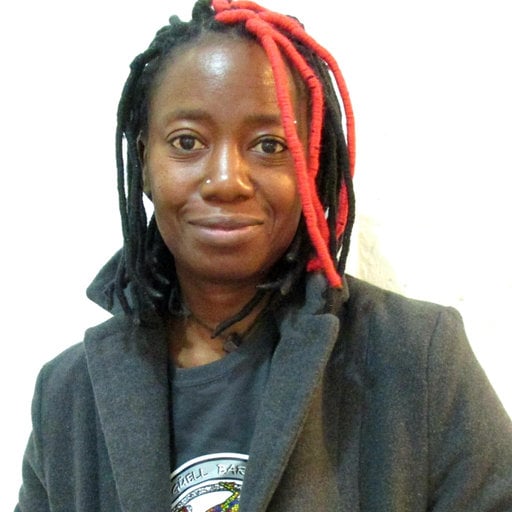
I’m a Lecturer at the University of Johannesburg, trained as a Research Psychologist. My work calls for a reflective, inclusive and socially just psychology curriculum that shapes students who are responsive to societal ills. I’m passionate about social justice, gender development and mental health. My research interests draw from feminist and critical psychology theories, I am currently writing on the intersectionality of race, gender and class on identities in contemporary South Africa. I have also recently become interested in climate justice. Specifically, I am writing on black youth representation in climate justice discourse.

RCP Division JHB Meet and Greet

RCP Division JHB Meet and Greet


RCP Division JHB Meet and Greet – 21 May 2026

Johannesburg, let’s connect!

Join the PsySSA RCP Division Meet & Greet – JHB for an afternoon of networking, conversation, and inspiration with fellow RCP members and Executive Committee representatives.

Guest Speaker: Bianca Jarvis
Date: 21 May 2026
Time: 12h00 – 14h00
Location: Emeris (Waterfall)

Come grab a coffee, grow your network, and be part of meaningful conversations in psychology and mental health.

RSVP by Tuesday, 19 May 2026: https://forms.gle/gGooYV8BxTGJt6uz6


About the Guest Speaker:

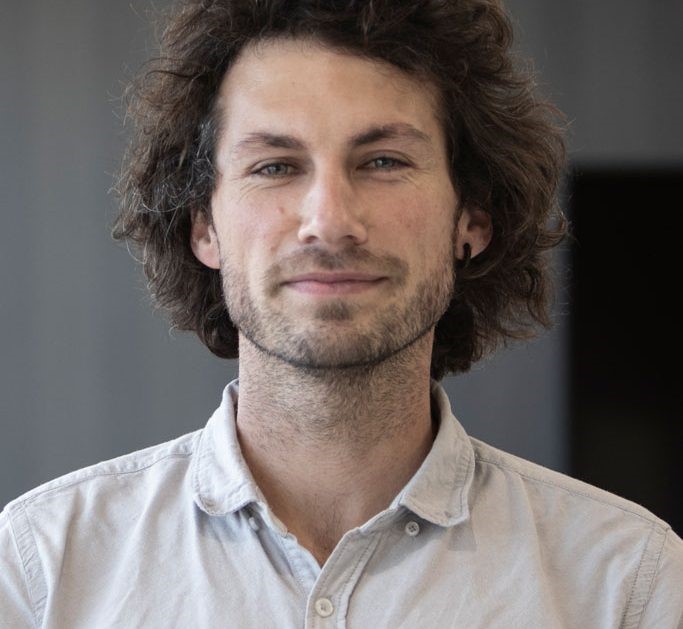
Bianca Jarvis is an HPCSA Registered Counsellor with a strong academic and practical foundation in psychology, counselling, and neurorehabilitation. She recently completed her Bachelor of Social Science Honours in Psychology at the South African College of Applied Psychology, where she was selected among the top 25 candidates nationally and maintained an exceptional academic record throughout her studies.

Bianca has extensive experience providing individual and group counselling in both community healthcare and neurorehabilitation settings, including her work with Headway Gauteng supporting clients affected by traumatic and acquired brain injuries. Her approach integrates empathy, ethical practice, psychoeducation, and evidence-based counselling techniques, with a strong focus on resilience and holistic wellbeing.

In addition to her clinical work, Bianca has been recognised for her academic excellence and leadership, receiving awards from the Psychological Society of South Africa and maintaining membership in the Golden Key International Honours Society. Her professional interests include trauma-informed care, emotional well-being, psychometric assessment, and empowering individuals through collaborative psychological support.

CEP Division Webinar: Nature, Anticapitalism, Psychology

CEP Division Webinar: Nature, Anticapitalism, Psychology


CEP Division Webinar: Nature, Anticapitalism, Psychology

About the Webinar:

The stability of capitalism is dependent on the unending growth of capital. Deterring capitalist crises requires increased production, greater consumption, redoubled markets, swelling profit margins, and accelerated supply chain lead times. The environment is no exception to this expansionist logic. Under capitalism, the environment serves as either a sink for endless dumping or a tap for limitless extraction. Psychology has, for the most part, done little to oppose capitalism’s environmentally destructive operations. Much mainstream psychology reads ‘healthy’ psychological development through the logic of infinite growth. When psychologists do consider environmental destruction (most do not), they tend to locate its origins in individual human behaviour, rather than the structural mechanisms of capital accumulation. The natural world thus emerges within most psychological disciplines as a static entity that exists entirely apart from human beings. Against all of this, we will attempt in this webinar to formulate another kind of psychology, one concerned with anticapitalist struggles for ecological justice. Specifically, and by way of a practical example, we will consider what it could mean to attune psychology to the psycho-political demands of these struggles, and when these struggles might require us to step away from psychology altogether. It is by taking seriously these sorts of concerns that we can begin to articulate an anticapitalist psychological practice in and for the web of life.

Date: 22 September 2026

Time: 18:00-19:00

Platform: Microsoft Teams

https://teams.microsoft.com/meet/361294116879660?p=hgUdXjSAnVopYAcK7p

Meeting ID: 361 294 116 879 660

Passcode: gy7y2RT6

About the Presenter:

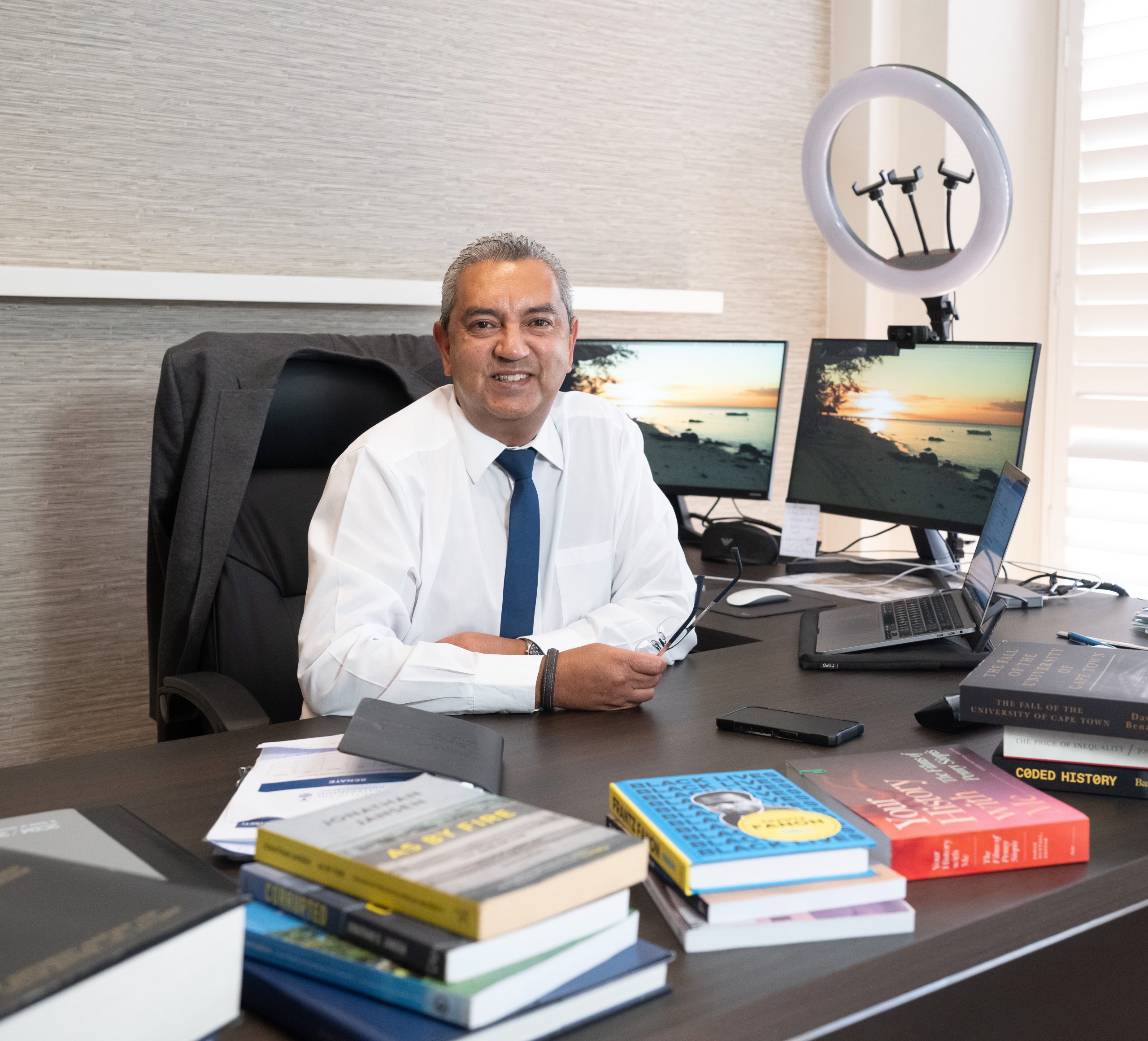
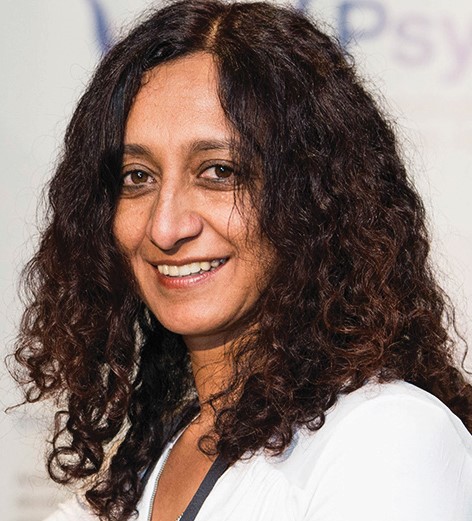
Nick Malherbe is researcher at the Institute for Social and Health Sciences, University of South Africa, and is affiliated with the South African Medical Research Council-University of South Africa Violence, Injury and Social Asymmetries Research Unit. He works with social movement actors, cultural workers, and young people. His research interests include violence, discourse, and community praxis.

PsySSA Commemorates Child Protection Month

PsySSA Commemorates Child Protection Month


PsySSA Commemorates Child Protection Month


During Child Protection Month, PsySSA reaffirms that protecting children from abuse, neglect, exploitation, and violence is a shared responsibility and a national priority.

Across South Africa, many children continue to face significant risks linked to poverty, violence, family instability, substance misuse, and limited access to mental health and support services. These experiences can have lasting effects on emotional wellbeing, development, learning, relationships, and long-term mental health.

PsySSA’s statement highlights the critical role psychology plays in prevention, early intervention, trauma recovery, caregiver support, and strengthening systems of care for vulnerable children and families. It also calls for stronger collaboration across health, education, social development, justice, and community sectors to ensure children receive the protection and support they deserve.

Read the statement below:

PsySSA Statement for Child Protection Month

As the Psychological Society of South Africa (PsySSA), we affirm that protecting children from abuse, neglect, exploitation, and violence is a shared responsibility and a national priority.

Children in South Africa continue to face significant risks across homes, schools, communities, and online environments. Many are growing up in contexts marked by poverty, violence, substance misuse, family instability, and limited access to mental health and support services. These realities place children at increased risk for emotional harm, developmental difficulties, disrupted learning, and long-term psychological distress.

Child abuse and neglect, whether physical, emotional, sexual, or through chronic neglect, can have lasting effects on mental health and development. Exposure to violence, rejection, humiliation, or deprivation affects healthy brain development and may contribute to anxiety, depression, trauma-related difficulties, emotional dysregulation, behavioural challenges, learning difficulties, and problems with trust and relationships. Without timely support, these difficulties may continue into adolescence and adulthood, affecting education, wellbeing, relationships, and economic participation.

Children require safe, stable, and nurturing environments to develop and thrive. When protection systems fail, access to early psychological support becomes critical.

Psychology plays an important role in child protection through prevention, assessment, therapeutic intervention, caregiver support, trauma recovery, and systems strengthening. Psychologists work across schools, healthcare services, community organisations, private practice, higher education, and public sector settings to support vulnerable children, families, and communities. PsySSA reaffirms the profession’s commitment to ethical, evidence-based, culturally responsive, and accessible psychological services for children and caregivers.

Effective child protection requires coordinated action across multiple sectors. This includes:
• accessible mental health services for children and caregivers;
• early identification and referral through schools, clinics, and community structures;
• evidence-based psychological and therapeutic interventions;
• support for parents and caregivers to strengthen protective caregiving;
• improved collaboration across health, education, social development, justice, and community organisations;
• strengthening prevention and awareness programmes within communities and schools.

During Child Protection Month, PsySSA calls on government, professionals, communities, caregivers, and civil society organisations to strengthen prevention efforts, improve reporting and response pathways, and invest in child-centred mental health and protection services.

We encourage communities to listen to children, take concerns seriously, and act when there are signs of abuse, neglect, exploitation, or emotional distress. Early intervention matters. Healing and recovery are possible when children are believed, protected, and supported.

Every child deserves safety, dignity, protection, and the opportunity to develop to their fullest potential.


PsySSA Commemorates World Maternal Mental Health Day 2026

PsySSA Commemorates World Maternal Mental Health Day 2026

PsySSA Commemorates World Maternal Mental Health Day 2026


On World Maternal Mental Health Day, PsySSA shares contributions from the Artificial Intelligence Division (AID) and the South African Association for Counselling Psychology (SAACP), reflecting on the realities of maternal mental health in South Africa.

Motherhood is often portrayed as joyful and instinctive, yet for many women it is also shaped by anxiety, identity shifts, emotional strain, workplace pressures, unequal systems of care, and limited support. These contributions explore the deeply personal and structural dimensions of maternal wellbeing – from pregnancy and postpartum mental health, to workplace transitions, resilience, and the importance of collective care.

In the South African context, maternal mental health is not only a healthcare issue – it is a matter of dignity, equity, and social justice. When mothers are supported, families and communities are strengthened too.


The SAACP contributions reflect on maternal mental health across both personal and professional contexts.

The first contribution, “Stronger Together – Maternal Mental Health”, explores the realities of maternal mental health in South Africa, highlighting how poverty, HIV, stigma, and unequal access to care continue to shape women’s experiences during pregnancy and the postpartum period. It calls for integrated, community-based support systems that centre dignity, accessibility, and collective care.

The second contribution, “From Pause to Power: Reframing the Maternity Transition”, focuses on the emotional and professional transitions many women navigate when entering motherhood. It reflects on identity, confidence, workplace belonging, and the importance of supportive organisational cultures that enable women not only to return to work, but to thrive.

Read more below:

Stronger Together – Maternal Mental Health

From Pause to Power: Reframing the Maternity Transition