PsySSA’s 30th and PAPU’s 10th Anniversary Congress: Invited Address by Dr Debra Machando

PsySSA’s 30th and PAPU’s 10th Anniversary Congress: Invited Address by Dr Debra Machando

Expanding Mental Healthcare Access in Zimbabwe: A Model for Global Impact

Limited access to mental healthcare remains a pressing global challenge. The World Health Organization’s (WHO) Special Initiative aims to bridge this gap by expanding services for 100 million people worldwide. Zimbabwe exemplifies successful initiative implementation through a country-driven approach.

Following a comprehensive national assessment, Zimbabwe identified seven key areas for improvement: leadership, funding, service organization, staffing, research, community engagement, and emergency mental health support.

Collaboration between WHO and Zimbabwe yielded significant results. Over 1.8 million individuals gained access to crucial mental health services, with over 3,000 receiving help for the first time. Additionally, over 370 new mental health workers were trained, and e-training programs reached over 1,500 individuals.

Policy changes are underway, with the Ministry of Health approving a review of mental health legislation and strategy. Collaboration has been strengthened through regular stakeholder meetings.

Integration of services is another success. Training programs were rolled out, and mental health screening is now integrated with HIV services and offered routinely in primary care.

Critically, $3 million was secured to expand services in primary care, aiming to reach 2.5 million in four priority provinces. Additional resources, integration, and collaboration are required to scale up the interventions to the rest of the 10 provinces.

Zimbabwe’s experience serves as a model for expanding mental healthcare access globally. It highlights the importance of country-driven approaches, capacity building, policy advocacy, service integration, and resource mobilization. By replicating this model, other countries can make significant strides in improving mental health outcomes for their populations.

About the Presenter

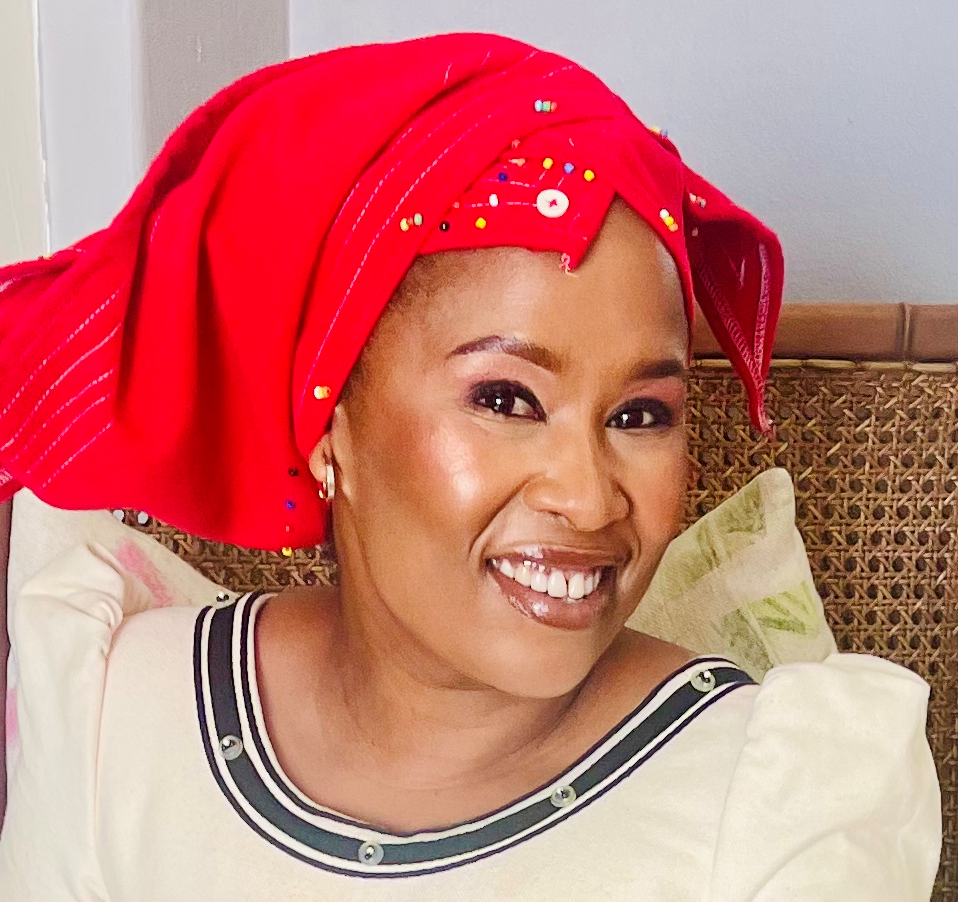
Dr Debra Machando

Dr Debra Machando is a seasoned mental health professional with a proven track record in leading and implementing innovative programs in Zimbabwe. She is the  World Health Organization – Zimbabwe Nechnical officer  for mental health in Zimbabwe since 2020. She  has played a pivotal role in shaping the country’s mental health landscape. Dr Machando served as an executive member  of the Pan Africa Psychology Union for six years and as Chairperson of Zimbabwe’s Allied Health Practitioners’ Council (2015-2020).

Dr. Machando’s expertise extends to a wide range of areas, including clinical psychology, public health, and research. With experience working in both government and non-governmental organizations, she possess a deep understanding of the challenges and opportunities facing mental health services in Zimbabwe.

Under Dr.  Machando’s leadership, the WHO Special Initiative for Mental Health has made significant strides in expanding access to mental health services, improving quality of care, and strengthening the mental health workforce. Key achievements include:

Expanding Access: Successfully increasing access to mental health services for over 1.8 million people, particularly in primary care settings.

Capacity Building: Training over 400 healthcare professionals in mental health interventions and providing essential e-training to over 6000 participants.

Advocacy: Securing government approval for a review of mental health laws and policies, and fostering collaboration with user-led organizations.

Scaling Up Services: Piloting and implementing innovative mental health interventions in multiple provinces and integrating mental health services with existing HIV/TB programs.

Dr. Machando’s research has focused on African mental health systems, with a particular emphasis on cultural considerations and service delivery in resource-limited settings. She has also been instrumental in mobilizing resources to support mental health programs, including securing a $3 million grant from Grand Challenges Canada. Dr Machando loves collaboration with regional and international teams on research and program implementation.

PsySSA’s 30th and PAPU’s 10th Anniversary Congress: Invited Address by Prof. Charles Mate-Kole

PsySSA’s 30th and PAPU’s 10th Anniversary Congress: Invited Address by Prof. Charles Mate-Kole

From Birth to Old Age: What has African Culture taught us?

Africans  ensure the continuity of its tradition  through by highlighting  the mutual care between generations. Older adults are seen to be the pride of the family; they provide guidance to younger generations and function as spiritual heads. Thus, it is expected that ageing starting from birth to old age allows the African to age healthily.

Africans view spirituality and its practices as a major source of healing. Spiritual and religious practices, such as dance, singing, and storytelling, are seen to contribute to healthy ageing. Thus, spirituality is considered a fundamental process in ageing. There is growing evidence that people in Western societies are embracing spiritual practices to promote healthy aging. This trend has given rise to the field of neurotheology, where scientists explore the connection between the brain and religion. This address will focus on spirituality and its relation to neuroscience emphasizing its role in the ageing process.

About the Presenter

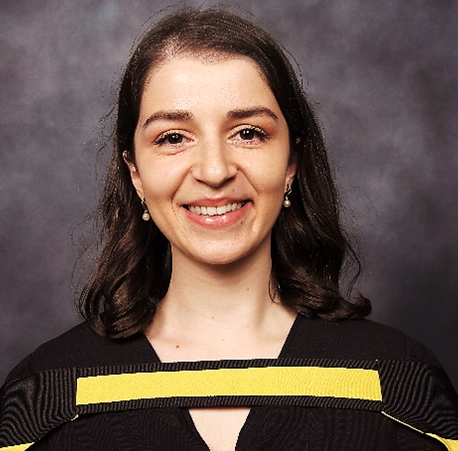
Prof Charles Mate-Kole

Charles Mate-Kole, PhD is Professor of Psychology and the Founding Director of the Centre for Ageing Studies, College of Humanities. He is Consultant Clinical Neuropsychologist at the Department of Psychiatry, UG Medical School, University of Ghana. He is Professor Emeritus and Psychology Founding Director of the Centre for Africana Studies at Central Connecticut State University (CCSU), New Britain, Connecticut, USA. He is the, CCSU. His research is primarily in ageing, dementia, traumatic brain injury, and neurocognitive remediation.

PsySSA’s 30th and PAPU’s 10th Anniversary Congress: Invited Address by Prof. Ruth Bukabau

PsySSA’s 30th and PAPU’s 10th Anniversary Congress: Invited Address by Prof. Ruth Bukabau

Psychological Consultations in the Democratic Republic of Congo: Practice and Evolution

Context: The work retraces the painful journey of this science, the struggles of the precursors and the happy outcome thanks to the association of practicing psychologists, united within the National Union of Clinical Psychologists, on the other hand. This practice, it should be noted, remained for a long time in the scientific ghetto in the DRC, thus making the masters of yesterday as the holders of a scientific approach very inaccessible to their successors. Which earned them attributions linked to mystical-religious considerations.

Objectives of the work: To constitute a capacity building tool and to offer an orientation, in the discipline, to students and other scientists who are interested in psychological consultations on the one hand, and to describe the progression curve of the activity in the framework of psychological practice.

The culture of psychological consultations in the DRC dates back to the second half of the 20th century by university professors, notably those from the University of Kisangani who migrated to the University of Kinshasa on the one hand, and those from the Institute National Pedagogical on the other hand. During this period until the 1990s, psychological services were not known to the public nor were they structured. Since 2000 to the present day, the need for psychological interventions has increased by 85%, in the context of the mental health of the population, especially with the social intrusion of pandemics and the repeated wars in the East of the country.

Conclusion: Psychological consultations, through their practice, help to understand the client’s real psychological experience and ensure efficient psychotherapeutic support or treatment.


About the Presenter

Prof. Ruth Bukabau

Dr Ruth Bukabau Babuya is a professor and clinical psychologist at the University of Kinshasa, where she serves in the departments of psychology, demography, and criminology. She also teaches at the Evangelical University of Bukavu. Her research focuses on the psychopathology of children, adolescents, and women, and she is a specialized educator for children with autism. In addition to her academic work, Dr Bukabau is a consultant at the Fistula Clinic of Saint Joseph Hospital and the Congolese Center for Children and Families (CCEF). She is a member of various professional organizations, including the Association of Urologists of Congo, the International Association for Research in Educational Science (AFIRSE), and the National Union of Clinical Psychologists of Congo (UNPC), where she also serves as treasurer.


PsySSA’s 30th and PAPU’s 10th Anniversary Congress: Invited Address by Dr Blake Stobie

PsySSA’s 30th and PAPU’s 10th Anniversary Congress: Invited Address by Dr Blake Stobie

Common sense or nonsense? Ideas that have held back and advanced the treatment of OCD

OCD is a chronic and disabling condition which was once thought untreatable. The first seeds of optimism regarding OCD treatment emerged from South Africa after the second world war. Since then, the development of psychological and psychiatric treatments for OCD has been characterised by a series of dead ends, and pivotal turning points.

This address will provide a brief retrospective overview of some of these ideas, the people behind them, and their links to South African psychologists and psychiatrists. The crucial role of intrusive thoughts and safety-seeking behaviours in the development and maintenance of OCD will be discussed. Factors which negatively impact on the effective delivery of psychological treatments for OCD, including pop psychology, the invalidity of traditional CBT techniques when applied to OCD, therapist drift, and therapist beliefs will be reviewed. This presentation will then consider some of the possible broader implications for the future development of our field.

About the Presenter

Dr Blake Stobie

I trained at UN, Pietermaritzburg. I am the Director of the Centre for Anxiety Disorders and Trauma at the Maudsley Hospital, London, and the private practice London Psychologist. I have written book chapters and journal articles, collaborated on a video game on OCD based on a graphic novel, appeared in TV documentaries on anxiety treatments, and a TedX talk. I manage national clinics to treat treatment-resistant OCD, and UK terror attack victims.

Board Exam Preparation Workshop – 26 September 2024

Board Exam Preparation Workshop – 26 September 2024

Board Exam Preparation Workshop – 26 September 2024

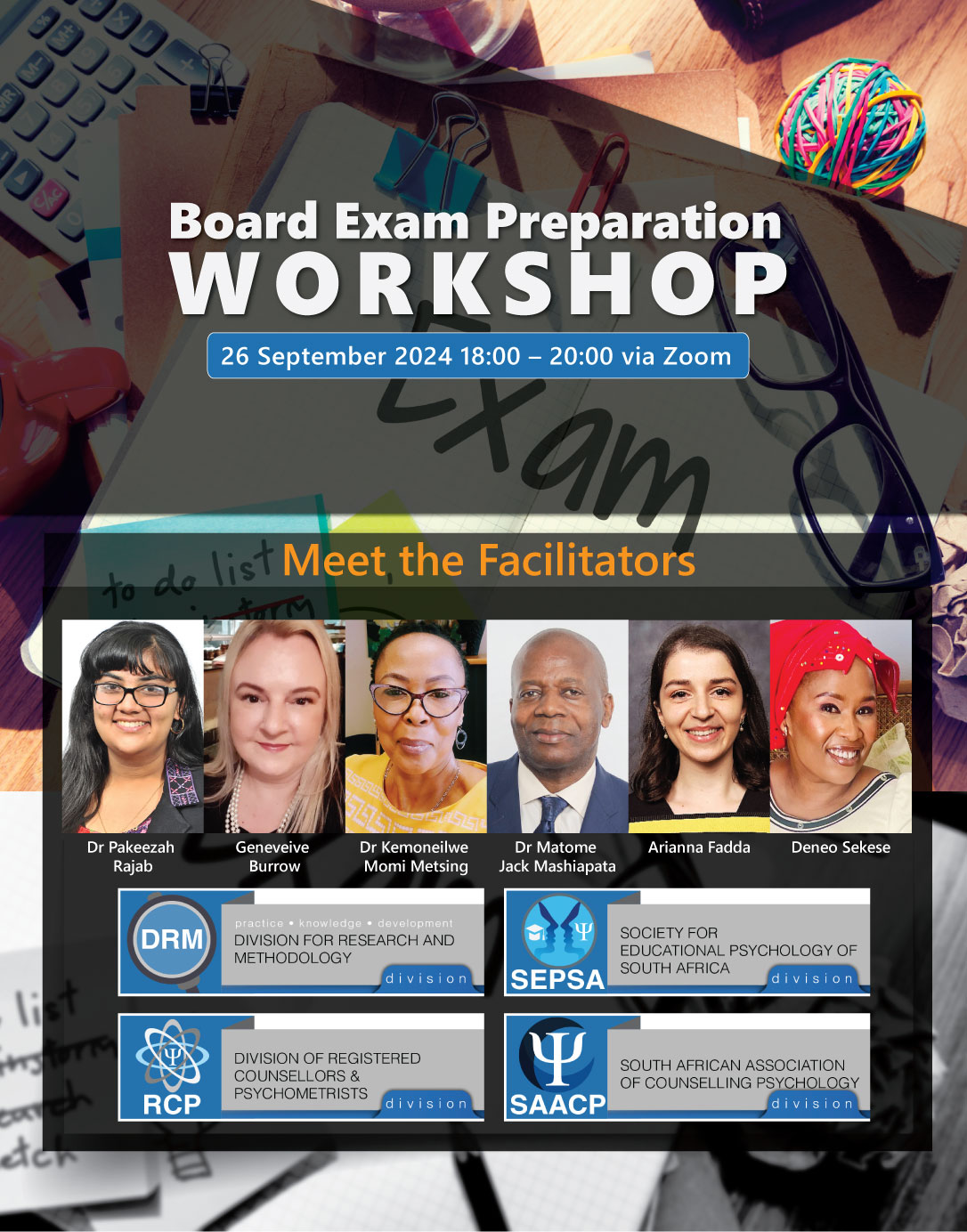
About this workshop

Join us on Zoom as we unpack the Board Exam!

The journey to becoming an HPCSA-registered psychologist entails navigating through rigorous academic training and practical experiences. However, one pivotal milestone stands between aspiring professionals and their goals: the HPCSA board exam. This exam serves as a comprehensive evaluation of theoretical knowledge, clinical skills, and ethical understanding essential for competent practice in the field. For those on the brink of undertaking this examination, the stakes are high, and the need for thorough preparation is paramount.

This underscores the necessity of a specialized board exam workshop tailored to the unique needs of prospective exam takers. Recognizing the complexities and challenges inherent in preparing for such a pivotal assessment, this workshop aims to provide invaluable clarity and guidance to participants.

The workshop will encompass multifaceted approaches to bolstering exam readiness for students in psychometry, counselling, research, educational and clinical psychology. Through interactive sessions, participants will delve into the intricacies of the exam format, content domains, and requisite competencies.

In essence, this workshop serves as a pivotal resource in equipping student and exam candidates with the tools, knowledge, and support necessary to navigate the challenges of the board exam successfully. By fostering clarity, confidence, and competence, the workshop endeavours to empower individuals to embark on their professional journeys with assurance and readiness to make meaningful contributions to the field of psychology.

Join the workshop at no cost!

Meet The Facilitators
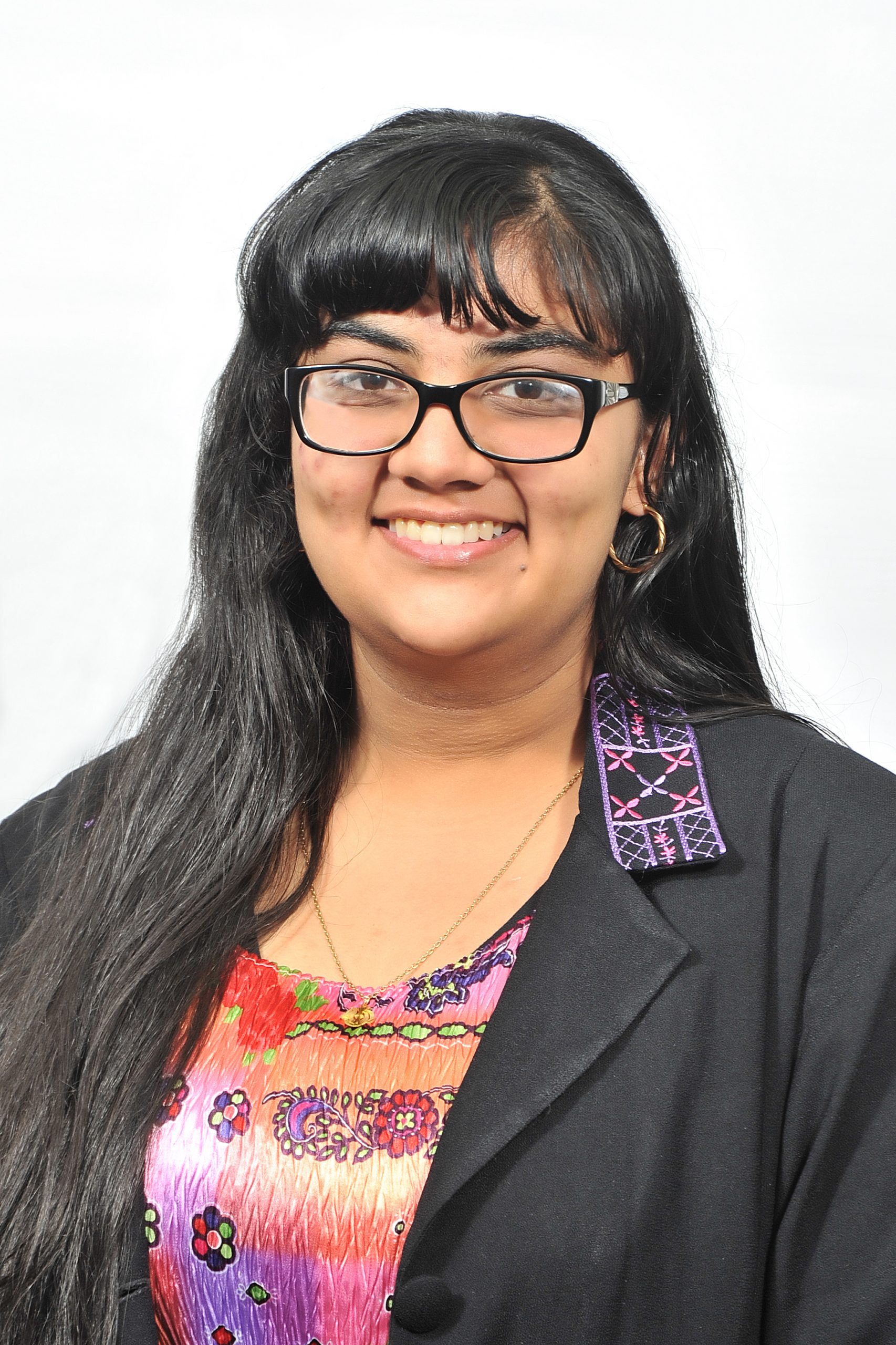
Dr Pakeezah Rajab

Dr Pakeezah Rajab

Presenter

Bio

Dr Pakeezah Rajab is the Senior Researcher at JVR Psychometrics and a PsySSA 2024-25 Additional Executive Member. Her PhD topic was “Non-intellectual factors that influence mathematics performance in South Africa.” She has experience applying psychometric results to a variety of contexts, including schools, private practice, higher education, and corporate environments. Pakeezah has worked on numerous projects that developed, validated and/or standardised assessments for use by the South African population – including aptitude, personality, values, career guidance and emotional intelligence. Her research interests include cognitive functioning, student performance and assessment development.

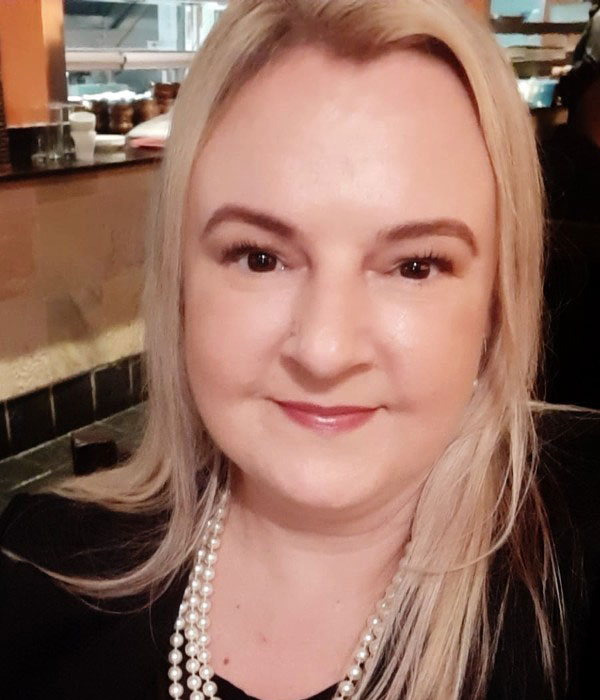
Ms Genevieve Burrow

Ms Genevieve Burrow

Presenter

Bio

Genevieve Burrow is a registered counsellor and chairperson of the PsySSA Division of Registered Counsellors and Psychometrists. Genevieve is the manager of The Youth Hub, based at Groote Schuur Hospital Adolescent Centre of Excellence, where she counsels, and manages students and the counselling centre. She has hosted several board exam workshops previously, and enjoys working with students to enlighten them about the upcoming HPCSA board exam. Genevieve Burrow is committed to driving excellence and innovation in the practice of counselling, and promoting the visibility and importance of this field. Genevieve is passionate about youth upliftment and collaborates with a medically-informed multidisciplinary team to provide comprehensive and holistic care to adolescents facing diverse challenges in under-provided areas.

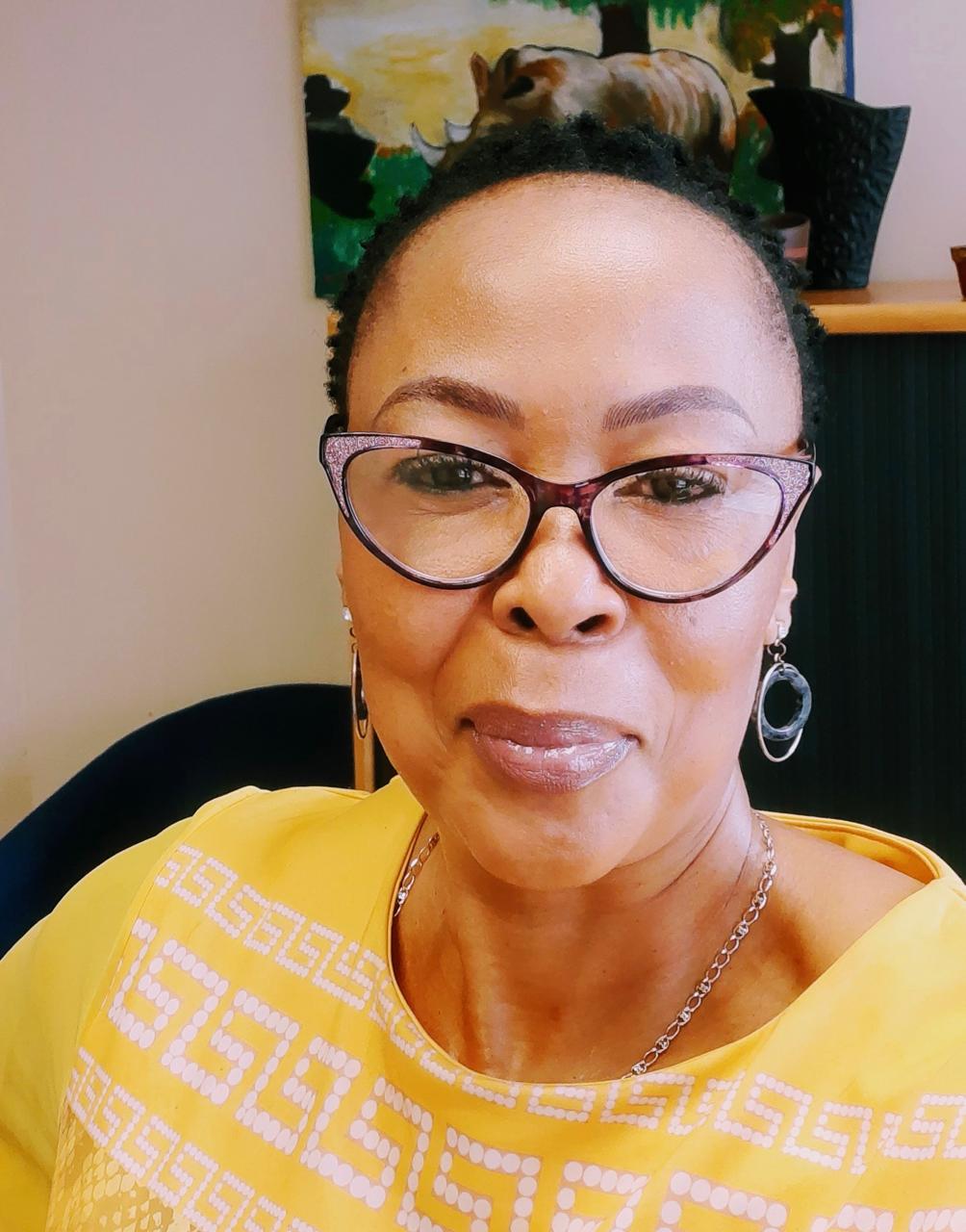
Dr Kemoneilwe Momi Metsing

Dr Kemoneilwe Momi Metsing

Presenter

Bio

Dr. Kemoneilwe Momi Metsing is a registered Educational Psychologist with a PhD in Psychology. She is a Senior Lecturer in the Department of Psychology of Education at the University of South Africa (UNISA) and Chairperson of the Society for Educational Psychology of South Africa (SEPSA). Dr. Metsing has a private practice and consults for government and private companies on relational and organizational transformation. She is an expert witness and member of the South African Medico-Legal Association (SAMLA). Dr. Metsing has held various leadership positions, including Chief Education Specialist in the Department of Education and board member of the South African Professional Society on the Abuse of Children (SAPSAC). She is an External examiner and clinical supervisor for MEd Educational Psychology at UJ. She serves on the Executive Committee of Decolonising Psychology at the Psychological Society of South Africa (PsySSA) and is a Critical Reader for UNISA’s Department of Adult Community and Continuing Education. With expertise in developing community-based programs, Dr. Metsing has successfully brought together individuals and organizations to address social issues, fostering partnerships and sustainable solutions. She is committed to inspiring and educating the next generation of leaders and change-makers, and her appointment at UNISA marks an exciting new chapter in her journey.

Dr Matome Jack Mashiapata

Dr Matome Jack Mashiapata

Presenter

Bio

Dr Mashiapata is a registered Educational Psychologist with the Health Professions Council of SA with over three decades of experience as a lecturer college for teacher training, high school teacher, a school psychologist in the department of basic education, manager of services for students with disabilities as well as student counselling. Currently working as the Director for Counselling and Career Development at UNISA, he has presented papers and workshops locally and internationally in the areas of career counselling, pastoral counselling, mentorship, career development, ethics, students with disabilities, etc. He holds active membership and leadership roles the Psychological Society of SA (PSYSSA), Society for Education Psychology of SA (SEPSA), South African Federation of Student Affairs (SAFSAS), International Association of Student Affairs and Services (IASAS) serving as the Africa regional director, deputy chairperson of Council for Pastoral and Spiritual Counsellors (CPSC), and Higher and Further Education Disability Services Association (HEDSA). He is the past president of the Southern African Association of Counselling and Development in Higher Education (SAACDHE). Dr Mashiapata has authored a chapter on Trauma Debriefing in a book titled “Life skills – my journey, my destiny”. He presents accredited CPD workshops on ethics in counselling services.


Deneo Sekese

Deneo Sekese

Presenter

Bio

Deneo Sekese started her career in Human Resources specifically training and development and organisational development. Her passion for people and therapy led to a midlife career change into psychology. Deneo completed her masters in Counselling Psychology at Rhodes University and internship at the student counselling centre at the Durban University of Technology. She has had the privilege of presenting her masters research at the 27th Annual South African Psychology Congress. Deneo’s areas of interest are African Psychology, Wellbeing and Salutogenesis and Community psychology. She recently registered with the Board of Psychology HPCSA and is in the process of setting up a private practice.

Arianna Fadda

Arianna Fadda

Presenter

Bio

My name is Arianna Fadda. I hold a Bachelor of Arts and a Bachelor of Social Science Honours in Psychology both from the University of Pretoria as well as a professional master’s degree (by coursework and research report) in Social and Psychological Research from the University of the Witwatersrand. My research report focused on the perceptions of health professionals regarding an online depression screening tool adapted for South Africans. Following my master’s, I completed a year-long Research Psychology internship at the Africa Unit for Transdisciplinary Health Research (AUTHeR) at the North-West University, during which I worked on various qualitative and quantitative research projects. I subsequently wrote and passed the Research Psychology Board Examination with the Health Professions Council of South Africa earlier this year and I am now a registered Research Psychologist. I am currently working as a research assistant for AUTHeR and planning further studies towards a PhD.


Adelene van Rooyen

Adelene van Rooyen

Presenter

Bio

Adelene is a registered Psychometrist (PMT 0101184) who specialises in career guidance and subject choice assessments. She qualified in October 2023 from Stellenbosch University with experience gained utilising corporate assessments. However, recently she pivoted by opening her own educationally focused practice, namely Cognisense, where she predominantly works with high school students, guiding them in making informed decisions about their future studies and careers. Her approach is rooted in a deep understanding of the unique challenges faced by young people today, and she takes pride in offering guidance that empowers students to discover their true potential and to kickstart their journey to achieving their career aspirations. Beyond her professional life, Adelene finds joy in the simple pleasures. She is an avid reader, often getting lost in the pages of her favourite fantasy books. Her home is a green sanctuary, filled with plants. Additionally, she cherishes the time spent with her two beloved Pomeranians.

Zakiyah Hoosen

Zakiyah Hoosen

Presenter

Bio

Zakiyah Hoosen is a dynamic individual with a deep love for Psychology. She completed her undergraduate degree at the University of Pretoria majoring in Psychology and Languages; later obtaining her Honor’s degree from SACAP and went on to become a qualified registered counsellor. She is active in the field and works across multiple organizations, working within a trauma-informed focus to facilitate counselling and psychoeducation to children, adolescents, and adults. Zakiyah is currently advancing her knowledge and training on her journey of master’s in Clinical Psychology, and she aspires to foster psychosocial wellbeing across all spheres of life through meaningful and efficient psychological services for all.

PsySSA’s 30th and PAPU’s 10th Anniversary Congress: Invited Address by Prof. Olukayode Afolabi

PsySSA’s 30th and PAPU’s 10th Anniversary Congress: Invited Address by Prof. Olukayode Afolabi

Religious Orientation and Self Esteem as Predictors of Subjective Happiness and Prosocial Behaviour among a Sample of Undergraduates

Prosocial behavior and subjective happiness are important social and cognitive lubricants that help students to cope and maintain focus in the midst of social, economic, and academic challenges in order to attain success. However, the interplay of religious orientation and self-esteem on prosocial behavior and subjective happiness has been less considered in literature, especially among the population of university undergraduates. Thus, this study examined the predictors of religious orientation and self-esteem on subjective happiness and prosocial behavior among a sample of undergraduates. Using purposive and convenience sampling techniques, 250 undergraduates were selected. The sample comprised of male=110 and female= 140 aged between 17 – 32 years (Mean =20.82; SD = 2.70). The participants responded to measures on prosocial behavior, subjective happiness, religious orientation and self-esteem. Two hypotheses were formulated and tested with Multiple Regression Analysis.

The findings showed that religious orientation [r (2,247) β= .24, p<.01] and self-esteem [r (2,247) β= .28, p<.01] had significant independent and joint [F(2, 247) =18.80, p <.01] prediction on prosocial behavior. Similarly, the findings revealed a significant independent predictions of religious orientation [r (2,247) β= .23, p<.01], and self-esteem [r (2,247) β= .29, p<.01] on subjective happiness. Also, the joint prediction of religious orientation and self-esteem on subjective happiness were significant [F (2, 247) =18.91, p <.01].

Based on these findings, the study therefore recommends that parents must play a significant role to ensure that religious orientations on rendering help to others are taught in their daily devotions to their children.

Keywords: Prosocial behavior, subjective happiness, religious orientation and self-esteem.

About the Presenter

Prof. Olukayode Afolabi

I have B.Sc, M.Sc, & Ph.D DEGREES in Psychology from Nigeria’s premier University of Ibadan and have been a University Lecturer in the last 24 years.

Based on my love and dedication to the Nigerian Psychological Association, in 2012, I was elected the Editor-in-Chief of the Association’s journals (three in all). By the second year, another journal, Nigerian Psychological Research was added. These journals were published annually for the five years that I served as the Editor-in-Chief. No single volume/edition was omitted.

During the five-year period (2012-2017) and based on my capabilities and dedication to duty, I was, in addition, (2013), made the South West Coordinator of the Association. At the period as well, I was able to successfully organise annual zonal conferences. The conferences were well-attended.

As I completed my tenure as both the Editor-in-Chief and the South West Coordinator (in 2017), I was elected as the Vice President of the Association for four years (two terms). During the period, I was in charge of membership mobilization and registration as well as being in charge of the State Chapters. This tenure was completed in 2021

In 2020, I became the President-Elect (for one year). Thus, in 2021, I was sworn-in as the President of the Association for two years. I was re-elected in 2023. Joyfully, between the last three years and now, I have led major reformations in the leadership of psychology in Nigeria that have led to the integration of psychology in the Nigerian Public Service. In conjunction with the National Universities Commission, the psychology curriculum in Nigerian Universities have been successfully reviewed in line with the best global practices. This implied that psychology graduates from Nigeria can successfully compete with their counterpart worldwide. We have also mentored emerging scholars across Nigeria to serve appropriate manpower needs.