World Alzheimer’s Day 2025: ”When memories fade, let love take over.”

World Alzheimer’s Day 2025: ”When memories fade, let love take over.”

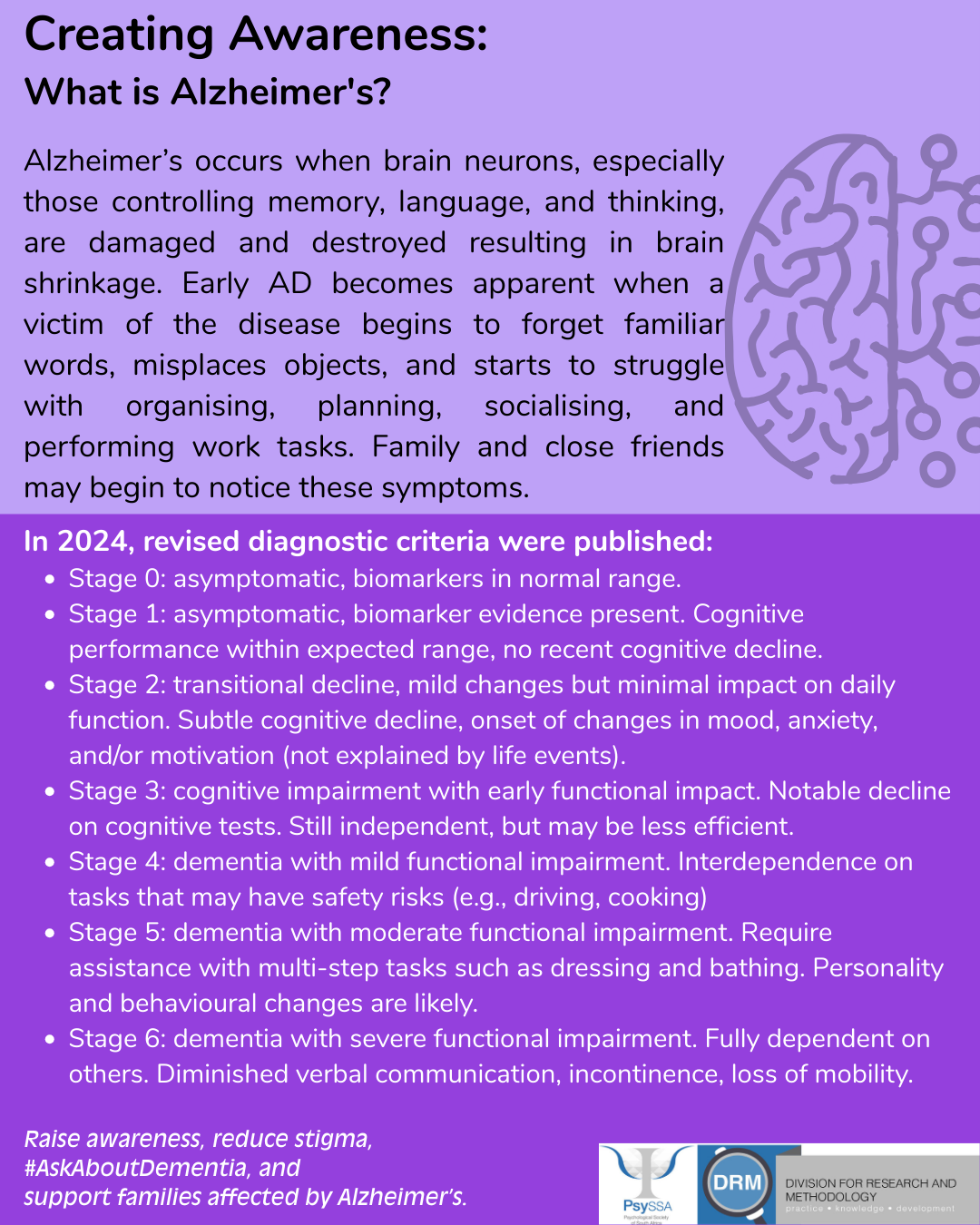
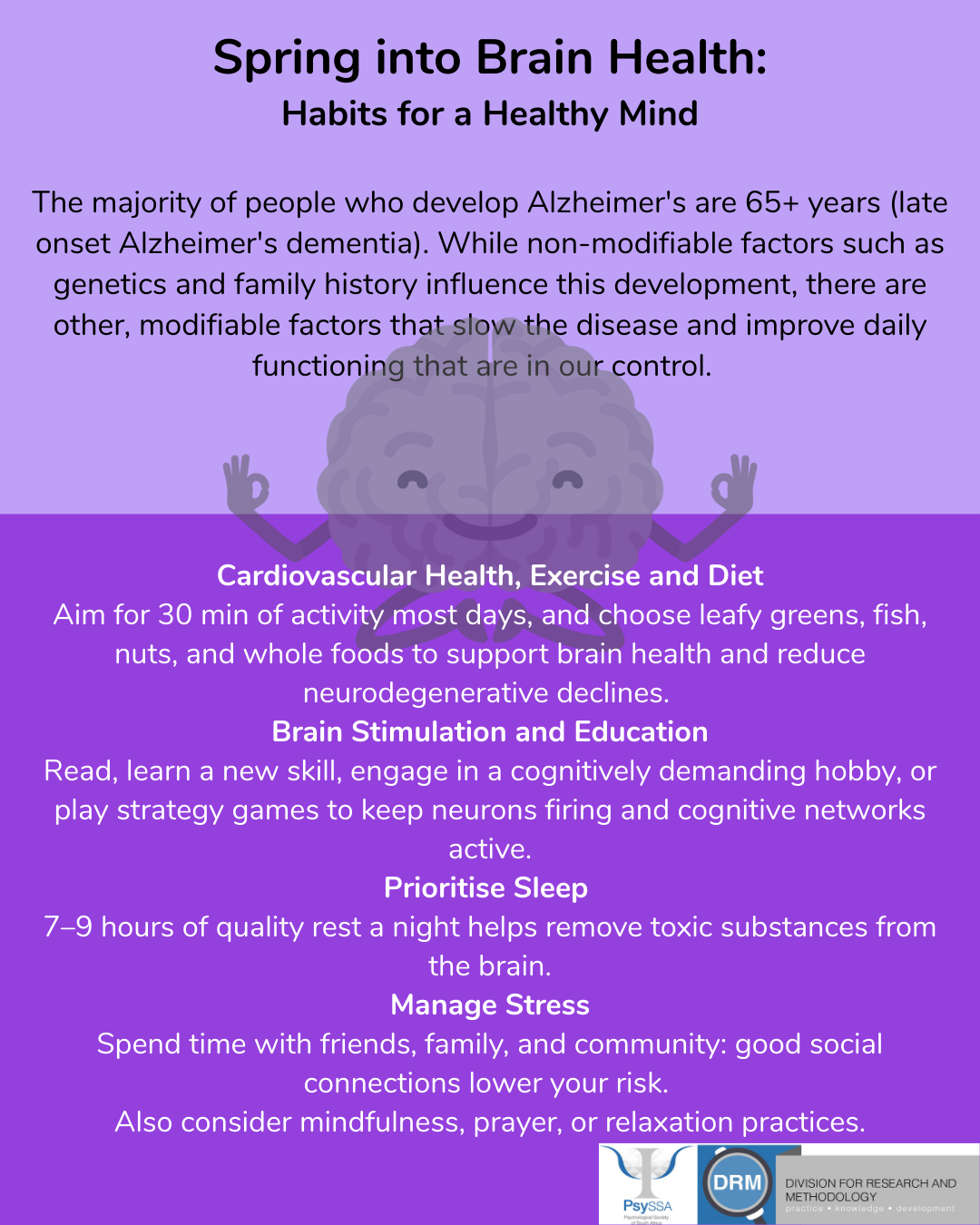
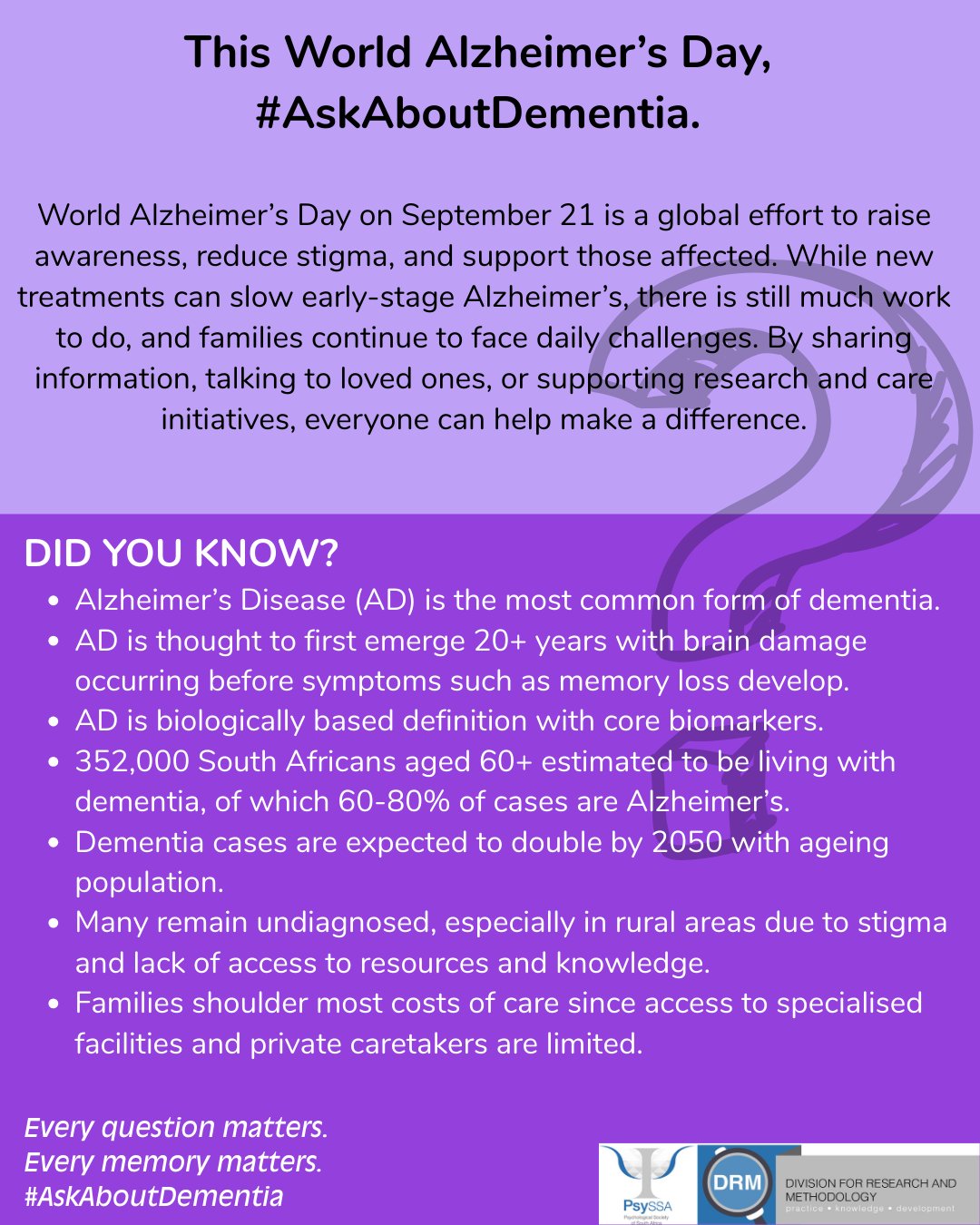
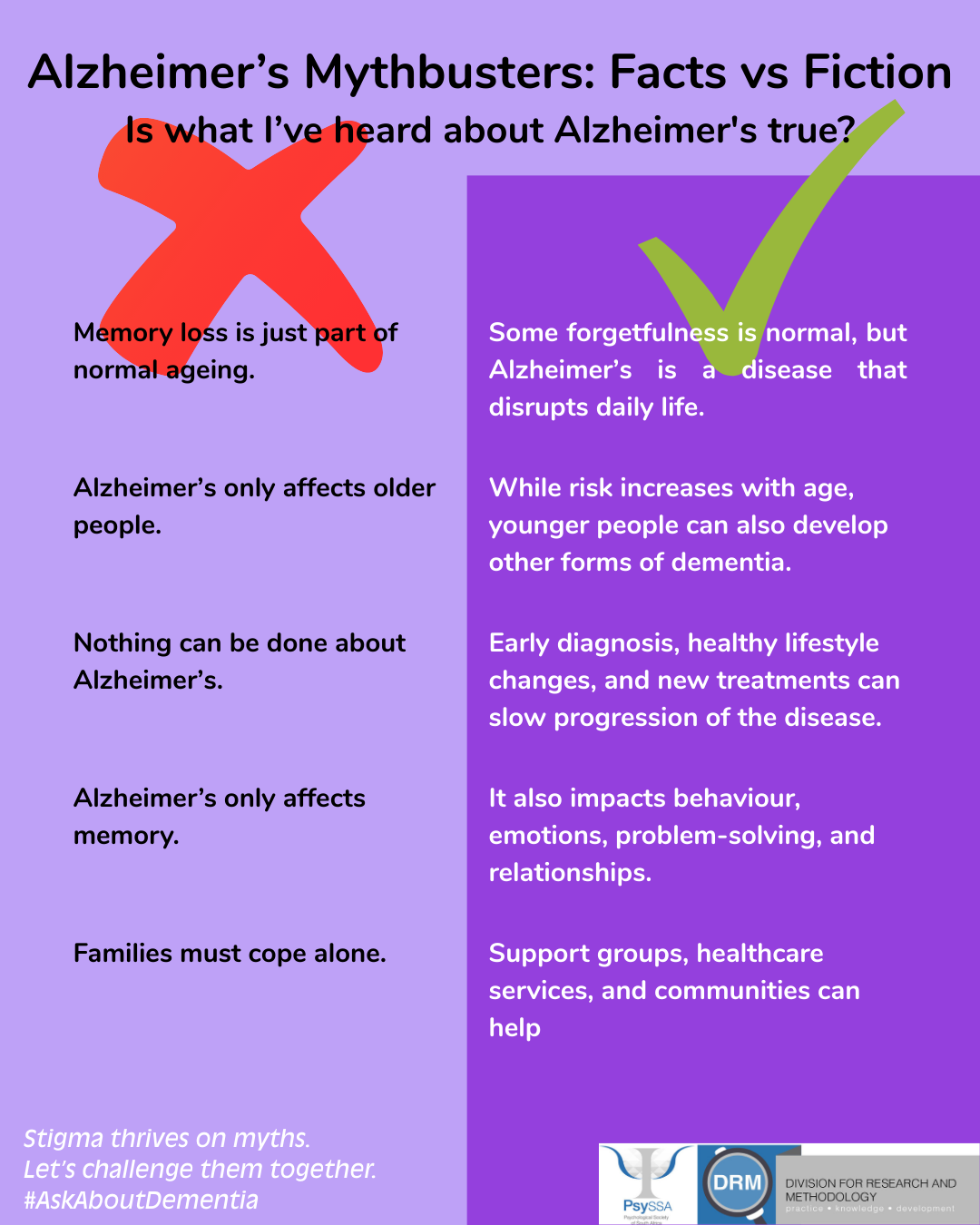
Memories enable us to relive the past and preserve special moments that play a defining role in who we are. Every year we commemorate those who live with Alzheimer’s disease and other forms of dementia. The world honors World Alzheimer’s Day.

World Alzheimer’s Day is an opportunity to celebrate loved ones who live with Alzheimer’s disease but it is also an opportunity to:

  • create awareness
  • initiate research and collaboration for early detection and improved treatment
  • highlight the value of support and
  • honor the caretakes, healthcare staff and professionals, researchers and family members who care for their loved ones

You can make a difference:

  • Volunteer
  • Donate
  • Educate yourself and others
  • Support

Read more about World Alzheimer’s Day and Alzheimer’s:

  • Alzheimer’s disease – Old friends and new promises: https://www.up.ac.za/research-matters/news/post_2995717-alzheimers-disease-old-friends-and-new-promises
  • Alzheimer’s Association: https://www.alz.org/about/awareness-initiatives/world-alzheimers-day
  • Mahomed A, Pretorius C. Availability and utilization of support services for South African male caregivers of people with Alzheimer’s disease in low-income communities. Dementia. 2020;20(2):633-652. doi:10.1177/1471301220909281
  • Manderson L, Brear M, Rusere F, Farrell M, Gómez-Olivé FX, Berkman L, Kahn K, Harling G. Protocol: the complexity of informal caregiving for Alzheimer’s disease and related dementias in rural South Africa. Wellcome Open Res. 2022 Aug 25;7:220. doi: 10.12688/wellcomeopenres.18078.1. PMID: 37538406; PMCID: PMC10394391.
  • orczyn, A.D., Grinberg, L.T. Is Alzheimer disease a disease?. Nat Rev Neurol 20, 245–251 (2024). https://doi.org/10.1038/s41582-024-00940-4
Navigating ADHD: A Lifelong Journey from Childhood to Adulthood

Navigating ADHD: A Lifelong Journey from Childhood to Adulthood

Attention-Deficit/Hyperactivity Disorder (ADHD) is a neurodevelopmental condition with a course that often extends beyond childhood. Prevalence estimates suggest that 2–16% of children meet criteria for ADHD (Boshomane, Pillay, & Meyer, 2020; Botha & Schoeman, 2023). In adulthood, rates decline to 2.5–4.2% (Schoeman & Leibenberg, 2017), yet research shows that 60–70% of children diagnosed with ADHD continue to experience symptoms into adulthood (Belanger et al., 2018). This continuity highlights the importance of recognising ADHD as a lifespan condition. For practitioners, an accurate and nuanced understanding of how ADHD evolves is critical for supporting children, adolescents, and adults alike.

Challenges in Diagnosis

Prevalence estimates vary widely due to differences in methodology, assessment tools, and practitioner expertise. Overdiagnosis in children, underdiagnosis in adults, and limited training in ADHD assessment contribute to these discrepancies (Schellack & Meyer, 2016). Given the impact of an ADHD diagnosis on an individual and their family, assessment should not be made hastily. A holistic approach, integrating developmental history, collateral information, and careful differential diagnosis, is essential before assigning the ADHD label.

ADHD Across Development: Children and Adults

ADHD is not static; its presentation changes with age. Symptoms that are visible and behavioural in children may become more internalised and functional in adults. The DSM-5-TR accommodates these shifts by adjusting diagnostic thresholds and providing developmentally relevant examples.

Aspect

Children

Adults

Hyperactivity

Visible and physical: fidgeting, running, climbing, difficulty staying seated.

Internal restlessness, difficulty relaxing, avoidance of passive situations.

Impulsivity

Blurting out answers, interrupting peers/teachers, and having difficulty waiting for turns.

Impatience, oversharing, risk-taking behaviours (e.g., reckless driving, unsafe sex), and emotional dyscontrol.

Inattention

Careless mistakes, distractibility, difficulty following instructions, and losing belongings.

Persistent but less visible: forgetfulness with bills/appointments, incomplete tasks, reliance on compensatory strategies (e.g., overworking, pulling all-nighters).

DSM-5-TR Symptom Count

Requires ≥ 6 symptoms in either domain (inattentive or hyperactive-impulsive).

Requires ≥ 5 symptoms, acknowledging attenuated adult presentation.

Age of Onset

Symptoms present before age 12 (revised from age 7 in DSM-IV-TR).

Same requirement, but often established through retrospective report or school records.

DSM-5-TR Examples

Not finishing homework, struggling to sit through lessons, losing toys or stationery.

Distracted by unrelated thoughts, avoiding long reports, and forgetting calls or appointments.

Increasing Demands, Decreasing Supports

Children often benefit from external structure, parental oversight, and consistent school routines. Transitioning into adulthood, however, brings greater demands—academic, occupational, financial, and relational—alongside a decrease in support. For individuals with ADHD, this can create a “perfect storm” where difficulties become more pronounced.

Opportunities in Adulthood

Despite these challenges, adulthood offers new possibilities for adaptive functioning. Adults can select environments that align with their strengths—roles that value creativity, movement, or rapid problem-solving. They may also develop personalised strategies, such as flexible scheduling, seeking supportive relationships, or outsourcing tasks that are consistently challenging (e.g., administrative tasks).

Areas of Vulnerability

Across the lifespan, ADHD is associated with a higher risk of impairment compared to the general population. In adulthood, consequences often become more significant and wide-ranging:

  • Social: Interpersonal conflict, higher rates of separation and divorce.
  • Emotional: Stress reactivity, emotional dysregulation, co-occurring depression, anxiety, and substance use disorders.
  • Behavioural: Risk-taking, earlier initiation of substance use, higher relapse rates.
  • Legal: Increased traffic offences, arrests, and recidivism.
  • Academic/Occupational: Lower academic attainment, higher dropout rates, inconsistent employment, and negative performance reviews.
  • Financial/Health: Lower lifetime earnings, impulse spending, increased rates of obesity, sleep disturbance, chronic illness, and a reduced life expectancy (by an estimated 9–10 years).

Best Practice in Diagnosis

A robust ADHD assessment should include:

  1. Comprehensive History: Clinical interview, developmental history, and input from multiple informants.
  2. Differential Diagnosis: Ruling out conditions that can mimic ADHD, including sleep deficits, vision problems, nutritional issues, epilepsy, trauma, anxiety, depression, or learning disorders.
  3. Application of DSM-5-TR Criteria: Symptoms must be persistent, developmentally inappropriate, present in multiple settings, and impairing.
  4. Consideration of Trauma: Adverse childhood experiences and traumatic stress can exacerbate or resemble ADHD symptoms. Careful screening is essential.

Managing ADHD: A Multimodal Approach

Treatment planning should be holistic and individualised, often combining:

  • Medication: Stimulants and non-stimulants remain first-line pharmacological options. Regular monitoring for side effects and interactions is essential.
  • Psychological Interventions: Cognitive behavioural therapy, psychoeducation, and skills training to address emotional regulation, planning, and interpersonal functioning.
  • Environmental Supports: Classroom accommodations for children, workplace adaptations for adults, and structured routines across the lifespan.
  • Lifestyle Factors: Adequate sleep, balanced nutrition, hydration, and physical activity significantly influence symptom management.
  • Support Systems: Parents, teachers, therapists, mentors, and support groups can all play a vital role in scaffolding functioning.

Reframing ADHD

While ADHD presents challenges, it is equally important to acknowledge its strengths. Creativity, innovation, high energy, and unique problem-solving skills are common among individuals with ADHD. By moving beyond a deficit-focused perspective, practitioners can help clients harness these strengths while managing difficulties, thereby fostering resilience and self-efficacy.

ADHD does not simply “end” with childhood. It is a lifelong condition that evolves across developmental stages. For registered counsellors, psychometrists, and other health practitioners, recognising these changes is vital for effective screening, supportive intervention, and timely referral for diagnosis and treatment by psychologists or psychiatrists. By combining early identification, holistic support, and a strengths-based approach, practitioners can play a critical role in empowering individuals with ADHD to move beyond survival and toward thriving.

Navigating ADHD: A Lifelong Journey from Childhood to Adulthood

BEYOND THE SEA OF YELLOW: UNDERSTANDING ADHD FROM A SOUTH AFRICAN PERSPECTIVE

On a warm afternoon in Lehurutshe, Zeerust, a young boy named Thabo sat under a marula tree, rhythmically tapping a stick against the soil. At the same time, his teacher grew increasingly frustrated at his “restlessness.” Thabo’s inability to “sit still” or follow long instructions was quickly labelled as defiance, poor discipline, or even laziness by many around him. Yet, what Thabo was living with was not a character flaw; it was Attention Deficit Hyperactivity Disorder (ADHD).

Thabo’s story is not unique. Across our towns, villages, and cities, countless children and adults live with ADHD, often misunderstood and mischaracterised in ways that deepen stigma and silence. This is why National ADHD Awareness Day on 14 September 2025, commemorated under the theme Sea of Yellow for ADHD Awareness, is not only a call to wear colour, but also a call to open our eyes, to see ADHD through lenses that make sense in our South African realities.

DECOLONISING OUR UNDERSTANDING OF ADHD

When we speak about decolonising ADHD, we should not dismiss or reject the valuable knowledge that global research has provided. Instead, it ensures that our understanding of ADHD resonates with people’s lived experiences, languages, and cultural frameworks.

In many communities, behavioural signs of ADHD are easily interpreted through moral, spiritual, or disciplinary lenses. A child is “naughty,” “bewitched,” or “undisciplined,” rather than neurodivergent. These cultural meanings matter because they shape how families seek help or whether they seek help at all. Decolonising ADHD means situating the condition in our own socio-cultural realities, making space for multiple ways of knowing, while also ensuring evidence-based psychological care is accessible.

ADHD does not occur in isolation. In South Africa, its impact is magnified by intersecting realities of poverty, overcrowded classrooms, and limited access to healthcare. For children like Thabo, ADHD is often compounded by hunger, trauma, or unsafe environments.

Our teachers are often the first to notice signs, but individualised support becomes near impossible with class sizes of 45 to 70 learners. Many families rely on traditional explanations of behaviour, while medical and psychological resources remain concentrated in urban centres. Raising awareness is not enough; we need to translate awareness into contextually appropriate, culturally sensitive, and socially just support systems.

As psychologists, our role is twofold:

  1. Early Intervention: Advocating for accessible assessments and interventions that can be delivered not just in urban clinics, but in community-based and school-based settings.
  2. Public Awareness: Engaging in public education that reduces stigma, communicates in all official languages, and affirms that ADHD is not a moral failing but a neurodevelopmental difference.

In this light, we invite our colleagues to reflect on psychology’s role in supporting individuals and families affected by ADHD, to advocate for early intervention, and to advance public awareness and care strategies. We collectively highlight PsySSA’s commitment to human rights, dignity, and social justice.

WAY FORWARD

On this National ADHD Awareness Day, let us wear yellow not only as a symbol of solidarity but also as a pledge: to listen more carefully, contextualise more deeply, and act boldly. Thabo and the many children and adults like him deserve to grow up in a society that understands them on their own terms, in their own contexts, with dignity and hope.

Together, as psychologists, educators, parents, and community members, we can ensure that ADHD is not a hidden struggle but a recognised difference that calls for compassion, understanding, and care.

Dr Momi Kemoneilwe  Metsing
Chairperson: Society for Educational Psychology of South Africa (SEPSA)

“When one voice is silenced, a whole community loses its song,” Archbishop Desmond Tutu

“When one voice is silenced, a whole community loses its song,” Archbishop Desmond Tutu

“When one voice is silenced, a whole community loses its song,” Archbishop Desmond Tutu.

This article is intended to contribute towards 2025 World Suicide Prevention initiatives, which aim to raise awareness and provide support to members of our diverse communities. It is intentionally written in plain language, in an attempt to make knowledge more accessible.  Our call to action is that readers share and discuss with those within their care. We all have a role to play in building safe spaces.

Feel free to discuss with your trusted healthcare professional if you notice any of the risk factors listed, to seek help for yourself or loved ones. We have also shared a few contact details of some of the toll-free call centers where you may get help, in the event that you find yourself in a dark place, wanting to end your suffering by taking your life or harming yourself or others.

Authors: South African Society of Clinical Psychology (SASCP), a Division of PsySSA.
Access to Care Sub-Committee Contributors: Bridgette Dlanjwa, Mariam Salie, Thabang Tlaka, Barry Viljoen and Kgomotso Sekhute

About World Suicide Prevention (2024-2026)

The theme for World Suicide Prevention for 2024-2026 is “Changing the narrative on suicide”. (Source: World Suicide Prevention Day 2025).

With the rising levels of suicide attempts and suicides among our youth and young adults and adults, we believe it is critical to put heads together and share knowledge with our communities, as broadly as possible.

What do we know about risk factors that may lead to suicide?

Suicide does not emerge from a single cause. Rather, it reflects a complex interplay of psychological, social, and environmental vulnerabilities that, when left unaddressed, can overwhelm an individual’s ability to cope.

  1. Unresolved trauma and violence are often at the heart of deep psychological pain. Survivors of childhood abuse, gender-based violence, or ongoing traumatic experiences may struggle with psychological conditions such as Post-traumatic stress disorder (PTSD), which in turn may heighten vulnerability to suicidal thoughts (Richardson, 2024).
  2. Similarly, the experience of loss, whether of a loved one, employment, health, or even a sense of dignity, can disrupt one’s sense of stability and belonging, leaving individuals feeling adrift and hopeless (WHO, 2023).
  3. Experiencing bullying can become an unbearable burden for the majority of people. Whether it happens in classrooms, on playgrounds, in the workplace, or in digital spaces through cyberbullying. The shame and isolation may erode self-worth and increase suicidal risk.
  4. Mental health conditions, such as recurrent depressive episodes and other mood conditions (e.g. bipolar disorder, which in simple language, is associated with fluctuations in moods), are well-established risk factors (Carballo et al, 2020). These conditions, when left untreated or misunderstood, may deepen feelings of despair and disconnection.
  5. Socio-economic challenges such as unemployment, poverty, or the inability to provide for one’s family weigh heavily in the South African context, where financial stress is a daily reality for many. This burden of responsibility may result in feelings of worthlessness and helplessness, which may perpetuate suicidal thoughts.
  6. Loneliness and isolation also carry profound risk. It is not only about being alone, but about feeling unseen or disconnected, even in the presence of others. Deep isolation may cause a person to believe their pain is invisible or that their lives do not matter (McCallum, 2022).
  7. The absence of psycho-social support and limited access to primary mental healthcare services, particularly in rural areas, means that many who struggle silently are unable to receive professional help (Canbaz & Terzi, 2018).
  8. Substance use further complicates the picture. Substances have the ability to cloud judgment, lower inhibitions, and even induce psychosis in some cases, which dramatically increases the risk of impulsive suicide attempts (Carballo et al, 2020).
  9. Chronic medical conditions, such as debilitating pain or illness that negatively impacts one’s quality of life, also place individuals at higher risk, particularly when one believes they are a burden to others (WHO, 2023).

Understanding these risks is not about creating fear, but rather about equipping us all with the knowledge to respond differently. If we notice these warning signs in ourselves or in others, the most powerful first step is to reach out to a trusted family member, a teacher, a healthcare professional, or one of the support lines listed below. Together, by breaking the silence and responding with compassion, we can reduce the weight of these risk factors and offer hope where there is despair.

Changing the narrative around suicide requires a range of daily acts of mindfulness, which enable us to:

  1. Observe and listen without judgement.
  2. Find practical ways of making it normal to discuss a range of topics within family and school settings such as fears, feelings, thoughts, disappointments, without fear of judgement and rejection.
  3. Proactively challenge unconscious bias and the stigma associated with mental health conditions.
  4. Create safe spaces to discuss disheartening issues even when not fully understood.
  5. Choose the thoughts, words and actions towards those who find themselves in dark places, who are thinking about suicide or have attempted to end their lives.
  6. Create and leverage the power of community support systems, within our high-pressured contexts where adults, parents, caregivers and grandparents do not always have the resources to adequately support young ones with mental health challenges such as anxiety and depression.

How can we all get involved in proactive suicide prevention?

  1. Challenging unconscious bias: For example, systemic socio-cultural perceptions, beliefs and biases that perpetuate stigma and discrimination against persons with mental health conditions.
  2. Creating safe spaces in homes: Daily acts of compassion (e.g. making it the norm for families to talk about both the good, tough and troubling elements of their days with young ones, to role model that it is normal not to be okay from time to time. This also helps with reinforcing that families are there to support one another with unconditional love and compassion. Research shows that families that spend regular time engaging in conversations with their young ones or a range of topics, create safe spaces for the young persons to be able to discuss anything they find uncomfortable, stressful or traumatic with the adults in their lives (Source: Robyn Fivuch, Ph.D.). Multiple cultural groups across the world, that have similar practices (e.g. story telling with parents and grandparents or caregivers, family meal sharing times (where circumstances allow), family meetings where everyone irrespective of age gets a turn to speak and share their thoughts and ask questions, have provided rich data in support of human connections as a critical pillar of resilience.
  3. Creating safe spaces in communities: “It takes a village to raise a child.” This African, Igbo phrase especially applies to child headed homes. It is essential to find creative ways of building psycho-social networks, comprising of professionals and trusted community members to check in on the young ones regularly and serve as their guides, mentors and pillars of emotional support.
  4. Creating safe spaces in schools: Examples include zero tolerance policies and relevant legislation to root out abuse and bullying and group therapy sessions, facilitated by professionals.
  5. Advocacy work for suicide prevention: Legislation, policies, psycho-social interventions provided through Public-Private-Partnerships (i.e. community based organisations, NGOs, private companies and government departments as strategic partners).
  6. Leveraging technology for teen safety: Without promoting any specific Application (APPs), it is safe to say that a variety of APPs are available for parents to choose from, to protect young ones online and flag when they show risks of suicide attempts).
  7. Parenting Support Groups: To learn from one another, share experiences and coping mechanisms to confidently support their young ones who struggle with mental health conditions or other challenges that may predispose them to suicidal ideations or attempts.

Relevant South African Life-Lines

  • A trusted family member or teacher or place of worship leader:

Family members may choose these ahead of crises moments and share them with young ones within the home.

“When one voice is silenced, a whole community loses its song,” Archbishop Desmond Tutu

World Suicide Prevention Day – You’re not alone

The 10th of September 2025 marks World Suicide Prevention Day. This year the theme focuses on, “Changing the narrative on suicide.” What this means is the transformation from silence, stigma and misunderstandings, into openness, grounded in both empathy and support. As such moving from isolation to connection, and from crisis to prevention.

Suicidal behaviour exists along a spectrum. From passive thoughts of death to active planning, non-fatal suicide attempts, and, tragically, completed suicide.
Para-suicide, or non-fatal suicidal behaviour, refers to those instances where a person engages in potentially self-lethal actions but survives, whether by intent or by circumstance.

It’s essential to distinguish between passive and active suicidal ideation.
Passive ideation might include a wish not to wake up, while active ideation involves a plan or intent to end one’s life. That difference matters, because active ideation carries a significantly higher risk of eventual suicide.

South Africa presents a unique and pressing context. We face one of the world’s highest rates of inequality, pervasive violence, and widespread poverty. Our mental health services are overstretched, underfunded, and unevenly distributed.

Within this landscape, suicide is a significant public health burden. Globally, more than 700,000 people die by suicide each year and three out of four of those deaths occur in low- and middle-income countries like ours.

Importantly, for every death by suicide, many more survive suicide attempts, many of whom go on to attempt again, often with greater intent.

Interestingly, while men are more likely to die by suicide, women are more likely to attempt suicide. As such gender difference that also calls for nuanced, gender-sensitive approaches.

For mental health providers, firstly, it reminds us that suicide prevention must be context-specific. It’s not enough to apply generic risk scales or protocols developed in high-income settings.
We need to take seriously the structural realities of trauma, poverty, and marginalisation that shape our patients’ lives.

Second, risk doesn’t always look dramatic. Chronic hopelessness, emotional flatness, and even brief “improvements” in mood after long depressive episodes can be red flags. Signals of someone who may be resolved to act.

Third, non-fatal suicide attempts are not failures of intent. Rather they are opportunities. Opportunities not just for clinical intervention, but for deep listening.
They’re often expressions of unbearable psychic pain, overwhelming despair, or attempts to regain control in environments where autonomy is experienced as stripped away.

Lastly, interdisciplinary collaboration is essential. Nurses, psychologists, psychiatrists, occupational therapists, social workers. We all play a role in noticing subtle shifts in risk, building therapeutic relationships, and creating environments where patients feel seen, supported, and safe.

If we’re to address suicide and para-suicide meaningfully, we need more than risk assessments.

We need compassion

We need context-aware care

And we need structural advocacy, both within our institutions and in the broader systems that shape mental health outcomes.

PsySSA Commemorates National Women’s Day 2025

PsySSA Commemorates National Women’s Day 2025

PsySSA Commemorates National Women’s Day 2025

09 August

A critical reflection on psychology’s role in advancing gender equity in South Africa

This opinion piece has been drafted by Angeline Stephens, PhD on behalf of the Sexuality and Gender Division (SGD) of PsySSA, with input from members of the SGD.

As we commemorate Women’s month in August and Women’s Day on the 9th August in South Africa, we reflect on psychology’s role in advancing gender equity and promoting socio-economic justice for women and gender diverse communities through inclusive psychological practice.

In marking this month and day, the South African government website begins by paying tribute to the women who marched to the Union Buildings on the 9th August, 1956, in protest against the Pass Laws (https://www.gov.za/WomensDay2025). Additionally and importantly, through remembering several “pioneer” women, we are reminded that women’s participation in the political transformation of our country and, specifically, in the fight for women’s rights, predates the significant 1956 march to the Union Buildings.

Accordingly, in reflecting on psychology’s role in advancing gender equity and promoting socio-economic justice for women in South Africa, we are compelled to situate psychology’s role within the broader political and socio-historical contexts of our beloved country; ravaged by the scars of the colonial rape[1] of the land and its people, apartheid violence and deep trauma.

Quijano’s (2007) concept of the coloniality of power in the “modern/colonial gender system” (Lugones, 2023) provides an appropriately relevant and critical point from which to reflect on the role that psychology plays, in the present moment, in addressing the gendered inequalities of the past, in ways that interrogate its intersections with race, class and sexuality.

To what extent has psychology shifted from being an instrument that supported an apartheid ideology and system of hierarchical racial categorisation and divisiveness to being one of inclusive practice that recognises the diversity of gendered, classed and raced identities?

Cognisant of this history that continues to permeate the lived reality of millions of women, whose lives are systematically devalued and dehumanised, in what ways does psychology advance gender equity and promote socio-economic justice for women and gender diverse communities through inclusive psychological practice?

It is appropriate to begin by considering the kind(s) of knowledge that is/are produced in academic and professional spaces through teaching, research, professional programmes and therapeutic work, as these enactments mark very tangible ways in which psychology, as a discipline and a practice, engages with (marginalised) communities and represents an instrument of power.

Psychology’s participation in teaching, research, training, therapy and community engagement offer powerful ways in which psychology can challenge and change normative, gendered ways of doing. But this requires constant critical reflexive practice of what we do.

It is pleasing to note that there is a shift towards including content that is more African-centred and produced in the global south in professional programmes. However, such content is often offered as an elective rather than one of the core modules. For a large part, western and eurocentric theoretical and therapeutic approaches continue to dominate professional programmes. The linkage between their inclusion and advancing gender equity becomes salient when we consider how psychology is done and enacted in work with women from marginalised communities in particular.

Access to resources and ownership of resources is highly gendered and raced in South Africa. The past apartheid system has meant that, for a long time, psychology has been dominated by white males from privileged socio-economic backgrounds. To what extent has this profile changed to represent a more inclusive and gender-diverse profession? And how has such change translated to empowering women from marginalised communities?

A quick survey of the selection of candidates for the professional Masters’ programmes in psychology across various HE institutions is likely to reveal a skew towards more women candidates. While this may be regarded as progressive, and a ‘good-fit’ given that more women than men tend to access psychological services, such changes may not be adequate in addressing gender equity if the programmes themselves remain primarily individualistic and westernised in their orientation.

Hence, it is pleasing to note the shift towards including more feminist, critical and decolonial perspectives in teaching, research and practice. The Hub for Decolonial Feminist Psychologies in Africa, housed at the Department of Psychology at the University of Cape Town, is a good example.

The Psychological Society of South Africa (PsySSA) itself has seen the emergence of additional Divisions based on membership interest, which, together with the more long-standing and established Divisions, reflect a shift towards more critical approaches to psychology and the communities it serves. More importantly, in terms of the gendered focus of this article, the PsySSA divisions offer practitioners a platform for more critical engagement with the changing landscape and its impact on gender and gender diversity.

The Sexuality and Gender, the Trauma and Violence, and, the Community and Social Psychology divisions, together with more recent additions such as the Decolonial Psychology and the Climate, Environment and Psychology divisions are good examples of how psychology can interrogate issues of gender and gender diversity from multiple, intersectional perspectives.

Being mindful of the power that psychology has, is important in how that power is acknowledged and shared in work with women and gender diverse people, especially people from marginalised communities, in ways that that recognise their power and agency through inclusive psychological practice. This means a move away from individualistic ways of doing, to ways that encourage collaboration and understanding in all areas of work, including community engagement and the therapeutic space.

The recent launch of the second edition of PsySSA’s Practice Guidelines for Psychology Professionals Working with Sexually and Gender-Diverse People marked a culmination of collaboration and dialogue between psychologists, academics and community-based advocates and NGOs working with sexually and gender-diverse people. It is an excellent example of how psychology, through collaboration and engagement with community stakeholders, has made a positive impact in advancing gender equity and the rights of sexually and gender-diverse people.

While this article does not specifically focus on the crisis of sexual and gender-based violence (SGBV), which is foregrounded in the 16 Days of Activism against Gender-Based Violence campaign in the months of November and December, SGBV remains a priority area that psychology has a role to play in working with women and other stakeholders to develop and implement interventions that seek to end violence.

Sexual and reproductive health rights (SRHR) marks another important priority area for women and sexually and gender-diverse people, especially from marginalised and impoverished communities. This priority area is one in which PsySSA and the Sexuality and Gender Division (SGD) have begun engaging in with the intention to make a meaningful contribution to addressing gender equity and socio-economic justice for women and sexually and gender-diverse people within a rights-based framework.

Increasingly, psychology in South Africa has opened up the spaces for the voices of (marginalised) women to be heard, valued and appreciated through ethical and collaborative research practices and engagements. Their stories of their lived experiences form an integral component in shared knowledge creation. Working with women who share their stories to advance gender equity represents a highly empowering and inclusive practice for women and psychology practitioners.

Psychology has played an important role in challenging attitudes, perceptions and behaviour that perpetuates gender oppression. However, gender cannot be regarded as a stand-alone social category. Psychology needs to adopt a more critical stance that recognises the intersections of gender with other social categories. For example, the inclusion of women with disabilities sadly remain a peripheral afterthought in many programmes and interventions that target women.

The intersections of gender with race and class remain critical when thinking about psychology’s role in promoting socio-economic justice for women and gender-diverse communities as their vulnerability is often heightened. The release and sharing of (psychology’s) power in such contexts is a necessary requirement for work that seeks to recognise agency, heal and build resilience.

The question of psychology’s role in advancing gender equity, promoting socio-economic justice for women and gender diverse communities through inclusive psychological practice, remains a critical question of relevance that we, as ethical practitioners, must engage with on an ongoing basis.

Ultimately, advancing gender equity and promoting socio-economic justice for women and gender diverse communities is about recognising women and gender diverse communities as human – and not “less than human” (Quijano, 2007). This should be a central and foundational principle that underpins psychology’s work with women.

And finally, it is worth pointing out that while we have spoken about ‘psychology’ as a discipline and a practice, psychology does not exist in a separate realm from us. We make up ‘psychology’. We all have a collective and ethical responsibility to work in ways that advance gender equity and promote socio-economic justice for women through collaborative work with women, communities, and other stakeholders such as educators and policy makers.

[1] We acknowledge that the word “rape” may be triggering for people who have experienced sexual violence, and its use in an article with a gendered focus may be viewed as being contentious. However, the word is used to convey the brutality and violence of coloniality, what it took without consent, and specifically, its continued trauma in the lives of the people, especially women, that it violated.

Commemorating Women, Honouring Culture and Embodying Decolonial Ethics of Care Through Women’s Dialogical Spaces

By: Imbumbe Yabafazi and PsySSA’s Decolonising Psychology Division

iGwijo or songs, such as Wathint’abafazi wathint’imbokodo (isiXhosa for “You strike the women, you strike a rock”) commemorate the mass of women who marched to the Union Buildings to protest against pass laws, through the leadership of Lillian Ngoyi, Helen Joseph, Rahima Moosa and Sophia Williams in 1956. This song has since remained an anthem in Black South African women’s spaces as it carries the sentiment of advocacy for freedom, inclusion and equality not only for the benefit of women, but ultimately for all.

Today, community outreach units like Imbumbe YaBafazi draw from the tradition of igwijo, alongside communal storytelling, affective exchange, praise and dancing, during their regular grassroots dialogues aimed at addressing contemporary societal issues that affect women. Reflecting on journeying with women over the past ten years, we highlight the value of history, culture, integrity, affirmations, and togetherness in these spaces – values which are essential to a decolonised psychology.

Citing the principle that “in the communities where we operate, we map issues affecting families, with a special focus on women” and guided by the belief that women are the cornerstone in sustaining peace, stability and kindness in communities, we aim to ensure that the lived realities and of women remain central to its work. This commitment underscores the importance of recognising both the structural violence and cultural nuances that shape women’s experiences, as well as adopting a participatory approach to problem-solving.

A recurring element in these spaces is the singing of igwijo – songs such as Wathint’abafazi wathint’imbokodo referred to prior, carry sentiment and memory into the spaces where women gather. Commonly sung at Black South African gatherings, including Imbumbe’s dialogue spaces, igwijo such as Eli lizwe nge lamakhosikazi (“This is the land of women / where women reign”) invite all present to reclaim their place in the world, to remember their worth, and to reaffirm their identity. Imbumbe’s founder notes that Africans sing – whether in celebration or in sorrow. iGwijo thus become oral testaments to struggle, triumph, and hope and serve not only as affective expressions, but also as living archives of indigenous modes of knowing, healing, and relating.

At the heart of Imbumbe’s commitment to creating and facilitating these spaces of reconnection lies the belief that well-supported women and youth are the foundation of strong communities. Drawing from the African proverb, ugotshwa usemanzi (isiZulu for “You have to bend the branch while it is still wet”), we prioritise intergenerational dialogue to ensure that futures are shaped before the challenges of life harden potential. This approach ensures communal participation in reshaping narratives which restore dignity, learning and unlearning perspectives, and the transfer of practical tools for both individual and community capacity-building. Ultimately, it encourages young women to take up space in a patriarchal society marked by hegemonic masculinity – one that works to minimise and marginalise them.

Beyond offering a safe space where women can authentically be, grassroots dialogue spaces cultivate shared humanity, transmit local and intergenerational knowledges, and provide cultural grounding. They become spaces of collective consciousness, solidarity-building and community well-being, nurtured through practices of remembrance, resistance, relational accountability, introspection, action, and collective healing in the pursuit of justice. These practices reveal what mainstream psychology, in its Euro-American form, so often misses: that healing is cultural, relational, and more impactful when approached collectively.

Offering a model of embodied collective healing, Imbumbe Yabafazi’s work examples a living praxis of decolonial mental health care and serves as an exemplar for decolonial ethics of care, which are critical to an African-centred decolonised psychology. The honouring of story, song, and ritual in women’s dialogue spaces should thus not be seen as merely performative; rather, these are methodologies of healing –psychosocial, political, cultural, and spiritual interventions – forms of praxis that psychology should engage with seriously in its own transformation, particularly in the African context.

A culturally rooted, community-based approach that values the recognition of historical trauma and the structural conditions shaping mental health, indigenous knowledge systems, and oral traditions, thus positions communal healing as a valid and vital form of psychological practice.  Embracing Ubuntu (a Nguni philosophy underpinned by the sentiment that “I am, because we are” or shared humanity) in this way shifts the therapeutic process from an individualised, expert-driven model to one that is collective, participatory, and culturally grounded. Such an approach would also enable local psychology professionals to forge deeper connection and critically engage with the situated experiences, knowledges, and practices that offer healing in communities – often without formal recognition.