PsySSA Office: Load Shedding

Kindly note that the PsySSA Office is currently experiencing load shedding. We apologise for any inconvenience, we will return to building a responsive, unified and relevant psychology as soon as we are back online.


Building a Unified, Relevant, and Responsive Psychology
Kindly note that the PsySSA Office is currently experiencing load shedding. We apologise for any inconvenience, we will return to building a responsive, unified and relevant psychology as soon as we are back online.
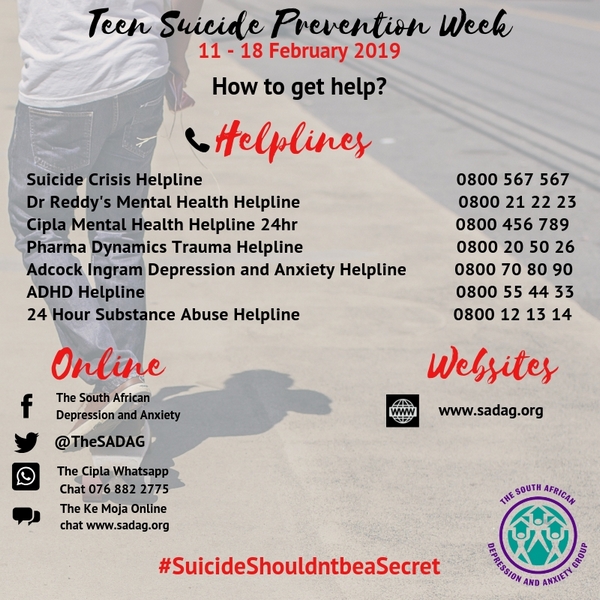
Today kick starts the first day of Teen Suicide Prevention Week.
“Teen suicide is becoming more common every year in South Africa. In fact only car accidents and homicide kill more youth between the ages of 15 and 24. In South Africa 9% of all teen deaths are caused by suicide. The fastest growing age is young people under 35, specifically female suicides which peak between 15 to 19 years!”
“There is a major link between Depression and Suicide. Most of the time teen depression is a passing mood. Sadness, loneliness, grief and disappointments we all feel at times, and are normal reactions to life’s struggles. However undiagnosed depression can lead to tragedy. Up to one third of all suicide victims had attempted suicide previously.”
“Said Zane Wilson, Founder of SADAG “It is not hard to see why serious depression and suicide are connected. Depression involves a long lasting sad mood that doesn’t let up and a loss of pleasure in things you once enjoyed. It Involves thoughts about death, negative thoughts about oneself, a sense of worthlessness. We get calls ranging from a teen girl of 15 who has been constantly abused by her stepfather, a boy who has lost his elder brother due to gang violence and a child of 12 whose mother has recently died of AIDS, sometimes they feel there is nothing to look forward to or that life would be less painful if they were to end it.” However, Depression is treatable! There is help and we show them all their options. With treatment over 70% can make a recovery.”

“▪ Identify the warning signs of Teen Suicide and get guidance on how to help a loved one or friend by taking a look at this brochure.
▪ To learn more about how to help a friend or family member. Click here.
▪ Wondering what is feels like to be Suicidal? Learn more.
▪ Click here to watch some educational video’s about Suicide Prevention.
▪ Do you have to have a Mental Illness to be Suicidal? Read more here.
▪ Looking for help? Worried about a friend, family member or loved one? Click here.
Please share this toolkit with friends, family, your community and even via social media – help us reach more people and prevent suicides.”


My sincerest congratulations to PsySSA and its members on a truly remarkable achievement, viz. 25 years of continuous exceptional service to the South African and global psychology community and broader society. Over the past 25 years, PsySSA has been key to the development of psychology in the service of humanity in South Africa and further afield. It is an organisation that we can all justifiably be very proud of.
Prof Norman Duncan
Great work has been done by PsySSA over the years. I am very proud to have been associated with this noble organisation. Happy 25th anniversary to PsySSA!!
Prof Tholene Sodi

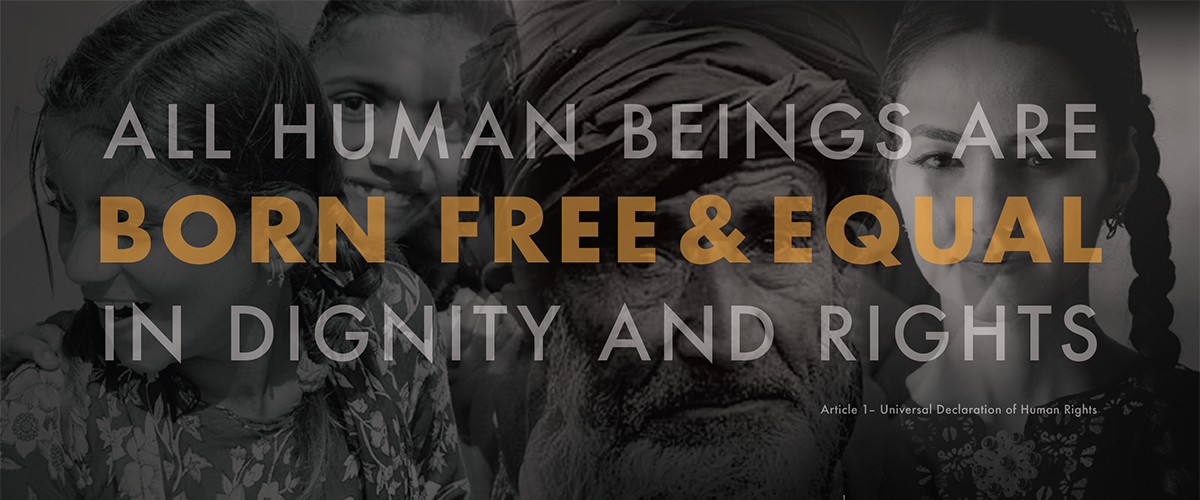
“Where, after all, do universal human rights begin? In small places, close to home — so close and so small that they cannot be seen on any maps of the world. […] Unless these rights have meaning there, they have little meaning anywhere. Without concerted citizen action to uphold them close to home, we shall look in vain for progress in the larger world.” — Eleanor Roosevelt
Human Rights Day is observed every year on 10 December – the day the United Nations General Assembly adopted, in 1948, the Universal Declaration of Human Rights. This year, Human Rights Day marks the 70th anniversary of the Universal Declaration of Human Rights, a milestone document that proclaimed the inalienable rights which everyone is inherently entitled to as a human being — regardless of race, colour, religion, sex, language, political or other opinion, national or social origin, property, birth or other status. It is the most translated document in the world, available in more than 500 languages.
Drafted by representatives of diverse legal and cultural backgrounds from all regions of the world, the Declaration sets out universal values and a common standard of achievement for all peoples and all nations. It establishes the equal dignity and worth of every person. Thanks to the Declaration, and States’ commitments to its principles, the dignity of millions has been uplifted and the foundation for a more just world has been laid. While its promise is yet to be fully realized, the very fact that it has stood the test of time is testament to the enduring universality of its perennial values of equality, justice and human dignity.
The Universal Declaration of Human Rights empowers us all. The principles enshrined in the Declaration are as relevant today as they were in 1948. We need to stand up for our own rights and those of others. We can take action in our own daily lives, to uphold the rights that protect us all and thereby promote the kinship of all human beings.
#StandUp4HumanRights
Source: United Nations