by PsySSA-Web Support | Oct 22, 2025
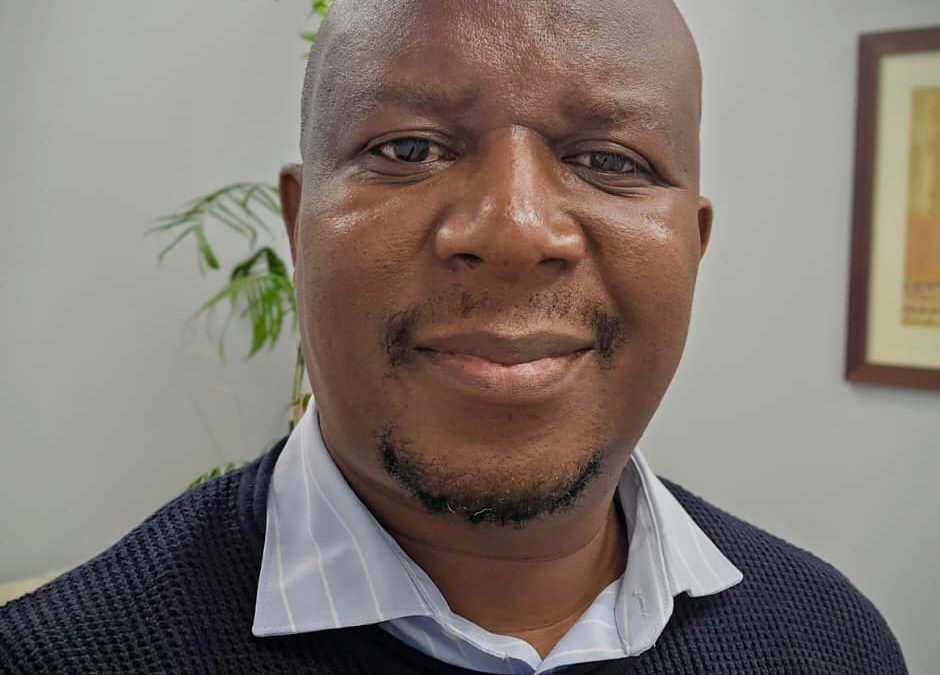
I am a Senior Psychology Lecturer at Cornerstone Institute with nearly a decade of experience in lecturing, research supervision, farming, and previous management roles in the retail and hospitality sectors. I am proficient in both quantitative and qualitative research methodologies and analyses, module and curriculum development, moderation, assessment development, and online teaching technologies. I obtained a Master of Arts in Research Psychology (structured) from the University of the Western Cape (UWC) in 2016 and am currently reading for a Ph.d. in Psychology at the same institution. I have had the privilege of presenting at the Council on Higher Education (CHE), Psychological Society of South Africa (PsySSA), at the Monash University Australia conference, and other institutions. Above all, I love people- especially my wife and two children- and aspire to make a meaningful difference in my communities.

by PsySSA-Web Support | Oct 22, 2025
Arianna Fadda holds a MA in Social and Psychological Research from the University of the Witwatersrand as well as a BSocSci Honours in Psychology and a BA Psychology from the University of Pretoria, all obtained with distinction. Following her studies, she completed an approved internship programme at the Africa Unit for Transdisciplinary Health Research (AUTHeR) based at the North-West University, after which she successfully sat her board exam and registered with the Health Professions Council of South Africa as a Research Psychologist in 2024.
She has previously worked as an independent research consultant and psychology lecturer, and currently holds a permanent position as an Analyst in the primary data unit of a development research consulting firm where she is involved in all stages of the research lifecycle from proposal writing, survey development and fieldwork to data management, quality control and reporting.
Arianna is a published author and actively contributes to psychology student development, holding mentorship roles and leading PsySSA’s Research Psychology board exam preparation workshops. Her research interests include critical psychology, public health, teaching and learning in psychology, mental health and psychometric scale validation.
by PsySSA-Web Support | Oct 22, 2025
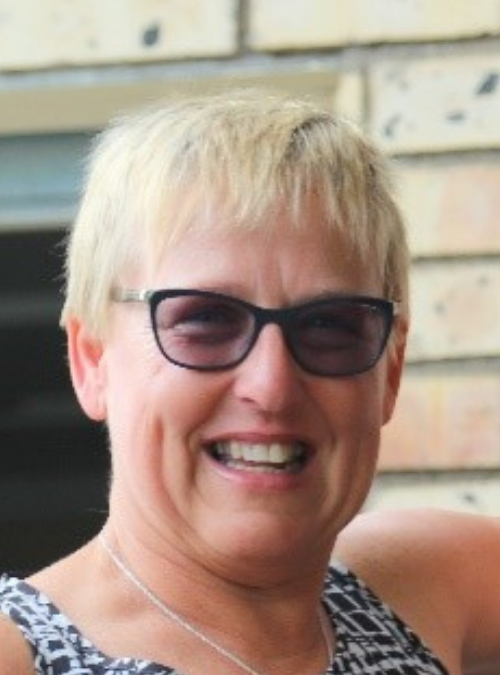
Erica Munnik is an Associate Professor in the Psychology Department at the University of the Western Cape (UWC) and a registered Clinical Psychologist with the Health Professions Council of South Africa. She has more than 20 years of experience in clinical practice, teaching, and research, with a strong focus on psychological assessment, test development and mental wellbeing. Erica’s doctoral research led to the development of the Emotional Social Screening Tool for School Readiness (E3SR), which has since been revised, standardised, and translated into multiple South African languages. She has published widely, presented nationally and internationally, and secured research funding to advance culturally relevant assessment practices. Erica is a passionate teacher and mentor who has supervised numerous Master’s and PhD students, many of whom have achieved distinction and contributed to scholarly publications. Alongside her academic role, she maintains a limited private practice, consults on psychometric matters, and engages communities through workshops and media contributions on child development and mental wellness.
She will serve as an executive member of PsySSA’s Division for Research and Methodology (DRM) from 2025-2027 and has been a member of the International Test Commission (ITC) since 2024, reflecting her commitment to advancing psychology both nationally and globally.

by PsySSA-Web Support | Oct 22, 2025
Akhona is an HPCSA registered Research Psychologist currently registered as a PhD candidate at the University of the Western Cape, with a Masters degree in Research Psychology. She supervises honours psychology students.
She’s skilled in various research methodologies. Her research interests are adolescent focused issues, race relations, ethnic-socialisation, social cohesion, instrument validation and development, mental health and mental health services, food (in)security and diet intake/quality, and other topics and issues particularly affecting the South African context, its people, and the world at large. She is also an avid volunteer in her church and church community.

by PsySSA-Web Support | Oct 22, 2025
After completing her Bachelor of Arts and BA Honours in Psychology as Top Achiever, Callagn Frieslaar is currently completing her Postgraduate Certificate in Education (PCGE) as part of her journey towards Masters in Educational Psychology.
She has assumed a range of professional roles, including working with children, tutoring learners with special accommodations and neurodevelopmental needs, acting as an administrative assistant to educational psychologists, and conducting skill-based psychoeducational workshops under the supervision of a registered educational psychologist.
While she has a keen interest in lifelong development, neurodiversity and recognising and supporting the social system that surrounds an individual, Callagn believes in advocating for and researching real human needs and initiatives that holistically target these areas. She has conducted a range of community-based initiatives, including a neurodevelopmental awareness webinar for teachers and a campaign educating young girls about violence, teenage pregnancy and menstruation. In addition, she conducted high school workshops whereby she covered a range of learner-based concerns, ranging from mental health, academics, relationships, and life skills.
She is currently a member of South African Federation of Mental Health’s Youth Advocacy and Advisory Forum, having received training in policy and as a youth mental health advocate, and has received counselling skills training from Lifeline.

