by Web Admin | May 11, 2026
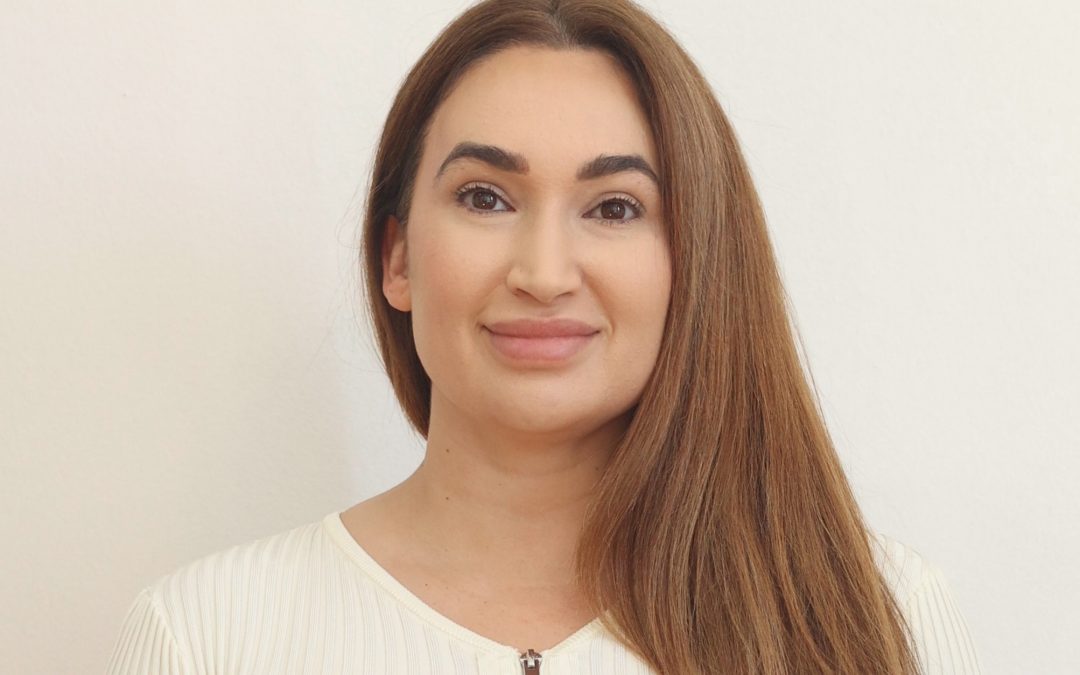
Tamara Wilson is a second-year undergraduate student pursuing a Bachelor of Applied Social Science, majoring in Counselling and Psychology, with the goal of becoming a clinical psychologist. Over the past decade, Tamara has worked as an activist, documenter, and visual activist photographer. She has been actively involved in the Free Palestine movement as a member of South African Jews for a Free Palestine, and in LGBTQIA+ advocacy through her volunteer work with Majawie Safe Space, an organisation dedicated to advancing the rights and safety of transgender women in the Cape Flats and Winelands. She is also a volunteer for Khumbulani Pride (meaning “remember” in isiXhosa), a Pride initiative that raises awareness of queer rights in townships across Cape Town, while commemorating victims of hate crimes. Tamara’s activism photography work has been exhibited by IAM and published in various publications, including the Sunday Star and Beyond the Margins. Tamara’s academic and professional interests lie in exploring the role of psychology in interrogating and challenging systems of power and oppression, including addressing racism, white supremacy, Zionism within the South African Jewish community, homophobia and patriarchy.

by PsySSA-Web Support | Feb 8, 2026
Aline Ferreira-Correia (PhD) is an associate professor in the Department of Psychology at the University of the Witwatersrand. She is an NRF-rated researcher and holds dual registrations with the Health Professions Council of South Africa in the Clinical Psychology and Neuropsychology categories. Her research and clinical interests include neuropsychological assessment in multicultural contexts and the neuropsychology of movement disorders and rare genetic diseases. She serves as an executive member of the South African Clinical Neuropsychology Association and is a fellow of Wits MIND Institute.

by PsySSA-Web Support | Oct 26, 2025
Ammarah is currently completing her final undergraduate year in Psychology at the University of Johannesburg. Throughout her academic journey, Ammarah has embraced multiple leadership and volunteer roles which have not only strengthened her ability to connect with others, but also increased her drive to pursue her dream of becoming a psychologist.
Ammarah is passionate about helping people and making a positive difference in their lives, which drives both her academic ambition and her involvement outside the classroom.
While she strives to become a clinical psychologist, she is also fascinated by non-traditional therapeutic methods like animal-assisted therapy and psychedelic-assisted therapy. Ammarah believes that healing looks different for everyone, and would love to explore these approaches in more detail.
Ammarah plans to study for an Honours degree next year and is eager to continue expanding her knowledge and skills in order to contribute meaningfully to the field of psychology and the well-being of others.

by PsySSA-Web Support | Oct 26, 2025
Dr Stephanie Klarmann is a conservation psychology researcher based in South Africa. Her work has focused primarily on envisioning a conservation psychology that is relevant in the South African context with a stronger focus on social and ecological justice. Her other areas of interest include youth capacity building, conservationist well-being, photographic storytelling, environmental education, and rights of nature. She is an Executive Member of PsySSA’s Climate and Environmental Psychology Division and a Board Member of the Society for Conservation Biology’s Revive Working Group.

by PsySSA-Web Support | Oct 26, 2025
Prof Theophilus Lazarus completed a PhD in Neuropsychology and a Post-Doctoral Fellowship in Clinical and Forensic Neuropsychology in the USA. He has taught, supervised, conducted research and practised Neuropsychology for over 39 years, locally and internationally, promoting several masters and doctoral dissertations. Recent publications: Cognitive Neuroscience of Neuroinfectious Diseases, in Lurian Journal. Vol. 2, No. 3. P. 13–16. DOI 10.15826/Lurian.2021.2.3.2 and Neurocognitive Disorders (Chapter 18). In: Geoffrey M. Reed, Pierre L.-J. Ritchie, and Andreas Maercker (Eds.) and Rabello, T (Assoc. Ed). Chapter 18. A Psychological Approach to Diagnosis: Using the ICD-11 as a Framework. American Psychological Association. 2022.

